
A complete industry overview of dental night guard materials and manufacturing, covering appliance types, fabrication methods, digital production, and clinical use.
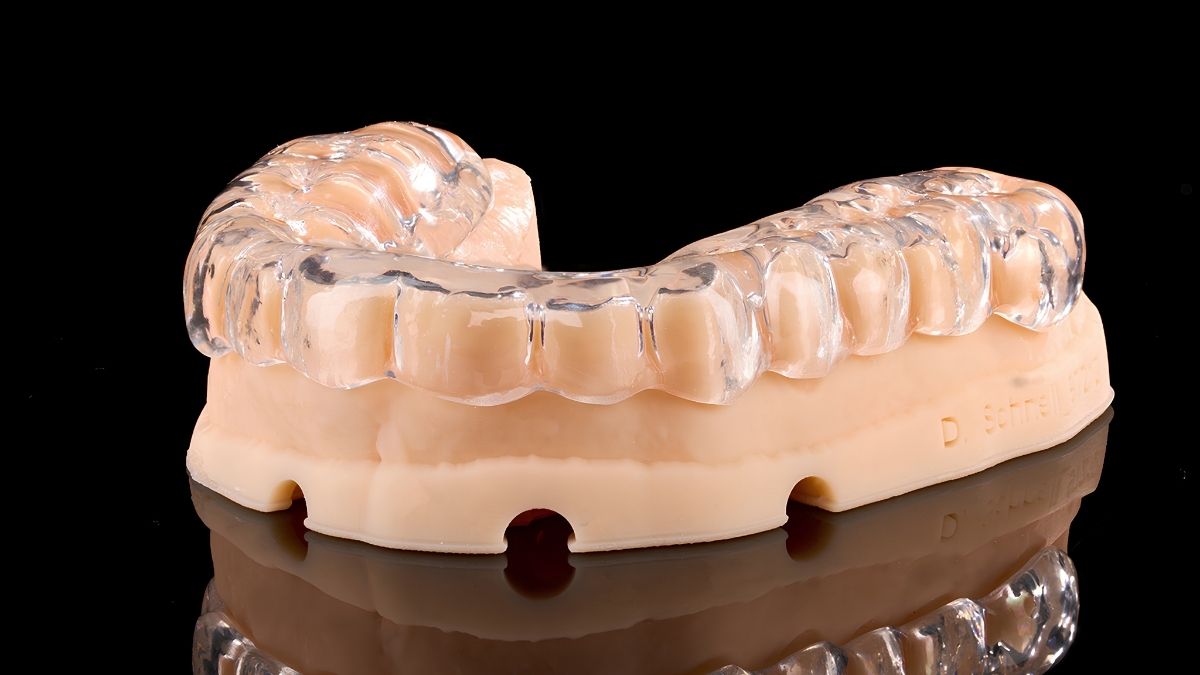
Table of contents [Show]
- What Are Dental Night Guards?
- Why Patients Need Dental Night Guards
- Main Types of Dental Night Guards
- Materials Used in Dental Night Guards
- Benefits of Dental Night Guards
- Clinical Considerations When Choosing a Night Guard
- Digital Dentistry and Night Guard Manufacturing
- Challenges in Night Guard Fabrication
- Future Directions for Dental Night Guards
- Why Dental Night Guards Matter for Dental Labs and Outsourcing
- Key Takeaways
- References
Dental night guards are one of the most practical and widely used oral appliances in preventive and restorative dentistry. Although they may appear simple, they play a critical role in protecting teeth, restorations, and jaw structures from the damaging effects of bruxism, clenching, and certain forms of temporomandibular joint dysfunction. For dental practices, the correct selection and fabrication of a night guard can improve patient comfort, reduce restorative failure, and support long-term oral health. For dental laboratories, night guards represent a highly technical category of removable appliance manufacturing where material selection, fit, thickness control, occlusal design, and finishing quality all directly affect clinical success.
In modern dentistry, night guards are no longer limited to basic vacuum-formed appliances. They now include a wide range of materials, production methods, and design strategies tailored to different levels of parafunctional activity and patient-specific needs. With the growth of digital dentistry, intraoral scanning, CAD/CAM workflows, and 3D printing, the manufacturing of dental night guards has become more precise, scalable, and consistent. This article provides a comprehensive overview of what dental night guards are, how they work, the main types and materials used, their benefits, clinical considerations, and the future of night guard production in dental labs.
What Are Dental Night Guards?
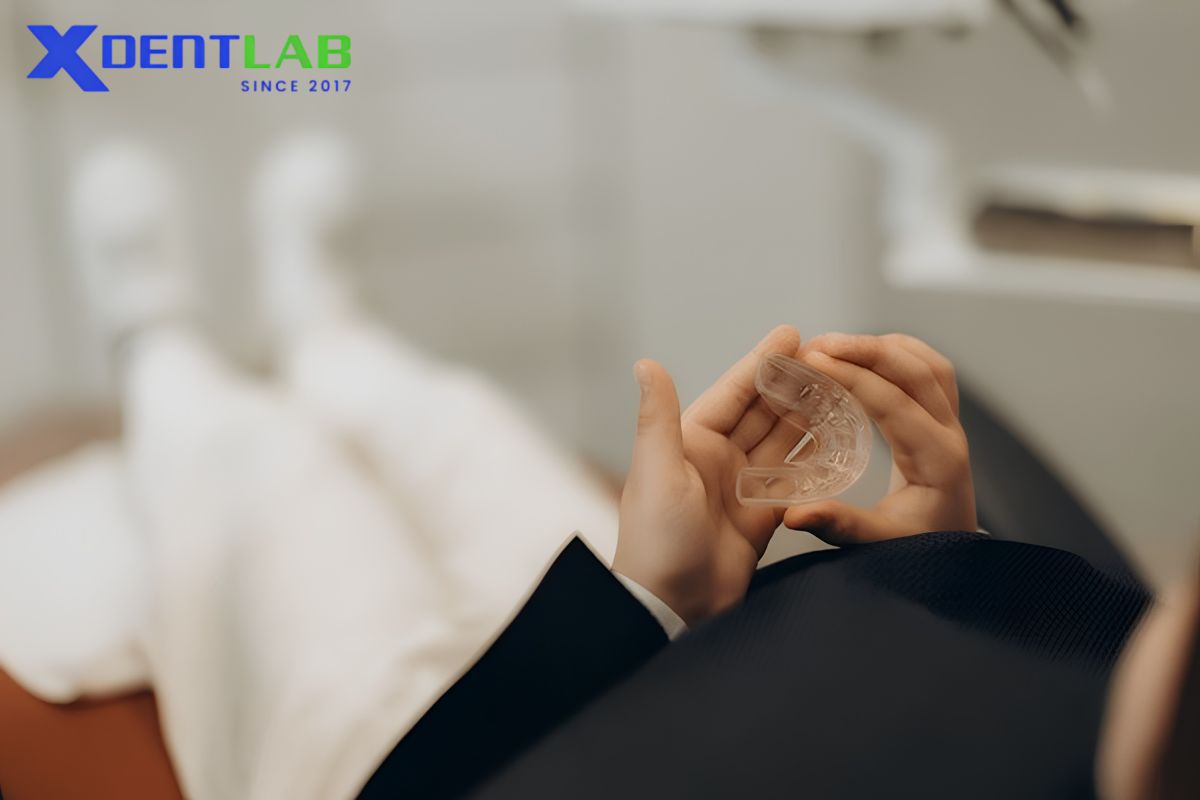
A dental night guard, also called an occlusal guard, is a removable oral appliance designed to be worn over the teeth, most often during sleep, to reduce the harmful effects of grinding and clenching. Night guards act as a protective interface between the upper and lower arches.
Main Purpose of a Night Guard
The primary function of a night guard is to protect oral structures from excessive occlusal forces. These forces may result from sleep bruxism, awake clenching, muscle hyperactivity, stress-related parafunction, or certain TMD-related habits.
By creating a barrier and modifying force distribution, a night guard can help reduce enamel wear, tooth fractures, restoration damage, muscle tension, jaw discomfort, and occlusal trauma.
Why Night Guards Matter in Restorative and Preventive Care
Night guards are especially important in patients with attrition, cracked teeth, implant restorations, veneers and ceramic crowns, full-mouth rehabilitations, muscle soreness upon waking, and TMJ-related symptoms in selected cases.
In many of these situations, the appliance is not just protective. It also helps protect the long-term value of restorative treatment by reducing excessive occlusal stress.
Why Patients Need Dental Night Guards
Night guards are recommended when the risk of tooth damage or musculoskeletal symptoms outweighs the inconvenience of wearing an appliance at night.
Bruxism and Tooth Wear
Bruxism can cause chronic mechanical damage to the dentition. Common signs include flattened occlusal surfaces, enamel wear facets, chipped restorations, tooth sensitivity, fracture lines, and morning jaw fatigue.
A night guard helps absorb, distribute, or redirect some of these forces depending on its design and material.
Temporomandibular Discomfort
In some patients, clenching and grinding contribute to jaw soreness, muscle pain, tension headaches, limited opening, and TMJ strain.
While a night guard is not a universal cure for all TMD conditions, it may reduce symptom triggers in properly selected cases.
Protection of Restorations
Patients with extensive restorative work often benefit from occlusal protection, particularly when they have ceramic restorations, implant-supported crowns, full-arch prostheses, veneers, or large posterior restorations.
A well-made night guard may reduce the risk of fracture, chipping, or excessive loading on these restorations.
Main Types of Dental Night Guards
Dental night guards can be classified by material behavior, design philosophy, and intended clinical use.
Soft Night Guards
Soft night guards are typically made from flexible thermoplastic materials such as ethylene-vinyl acetate (EVA).
They are often used for mild bruxism, new night guard users, patients who prioritize comfort, and short-term protective use in selected cases.
Soft night guards offer good initial comfort, easier patient adaptation, quiet wear, lower material rigidity, and simpler tolerance for some sensitive patients.
However, they may be less suitable for heavy bruxers because they wear more quickly, can lose surface integrity over time, may be chewed or perforated in severe cases, and provide less resistance against intense grinding forces.
Hard Night Guards
Hard night guards are usually fabricated from rigid acrylic or other hard dental polymers.
They are often recommended for moderate to severe bruxism, patients with significant tooth wear, cases requiring greater occlusal control, long-term protective use, and patients with extensive restorative work.
Hard night guards provide higher durability, better resistance to grinding forces, more stable occlusal architecture, greater long-term structural integrity, and better suitability for heavy-function cases.
Their disadvantages may include longer patient adaptation time, perception of increased bulk or rigidity, and higher sensitivity to errors in fit or occlusal adjustment.
Dual-Laminate Night Guards
Dual-laminate guards combine a soft inner layer with a hard outer shell.
This structure aims to combine internal comfort, external durability, better patient acceptance, and greater resistance than fully soft guards.
They are often selected for moderate bruxism, patients who reject rigid appliances, and cases needing a balance of comfort and strength.
Dual-laminate appliances may be more expensive, may delaminate over time in some conditions, and require careful fabrication quality control.
Custom-Fitted Night Guards
Custom night guards are fabricated from impressions or digital scans of the patient’s dentition.
Compared with generic or over-the-counter options, custom-fitted guards offer superior adaptation, better retention, more predictable occlusal design, improved comfort, reduced adjustment time, and better long-term function.
For dental laboratories, custom night guards are a highly important product category because small variations in thickness, margin design, occlusal balance, internal fit, and finishing quality can significantly affect clinical outcomes.
Materials Used in Dental Night Guards
Material selection is central to night guard performance. Different materials provide different balances of comfort, durability, force distribution, polishability, and manufacturing efficiency.
Ethylene-Vinyl Acetate (EVA)
EVA is commonly used in soft night guards.
EVA offers flexibility, softness, good patient comfort, lightweight wear, and ease of thermoforming in many workflows.
It is generally best suited for mild bruxism, transitional appliances, and patients needing a more forgiving feel.
It is not usually the best option for patients with heavy grinding because it can wear down more quickly.
Acrylic
Acrylic is commonly used in hard night guards and certain occlusal splints.
Acrylic offers high rigidity, good durability, stable occlusal form, and strong protective capacity against heavy functional loads.
It is well suited for severe bruxism, long-term appliance use, cases requiring precise occlusal adjustment, and protection of complex restorations.
Its rigidity may reduce comfort for some patients, especially during the adaptation period.
Dual-Laminate Materials
These materials combine a soft interior with a hard exterior.
They are designed to provide better comfort than fully hard appliances, more durability than fully soft appliances, and a compromise between adaptation and resistance.
They are often used in moderate to moderately heavy bruxism and in patients needing both comfort and durability.
BPA-Free and Medical-Grade Materials
Modern dental night guards are often fabricated from medical-grade, biocompatible, BPA-free, and phthalate-free materials.
Material safety matters because the appliance is worn for long periods, is in prolonged contact with oral tissues, and is exposed to saliva, heat, and cleaning agents.
For professional dental manufacturing, biocompatibility and regulatory compliance are part of the quality baseline.
Benefits of Dental Night Guards
Night guards offer several clinical and functional benefits when properly prescribed and manufactured.
Protection Against Enamel Wear
They reduce direct tooth-to-tooth contact and help preserve enamel.
Reduction of Fracture Risk
They may reduce the likelihood of chipping or fracture in teeth and restorations.
Relief of Muscular Tension
By modifying occlusal contact and parafunctional patterns, they may help reduce jaw soreness in selected patients.
Headache Reduction
Some patients experience fewer morning tension headaches when bruxism-related muscle activity is better managed.
Better Sleep Comfort
Reducing clenching-related discomfort may improve nighttime comfort and overall sleep quality.
Protection of Restorative Investment
Night guards can help safeguard crowns, veneers, implants, and full-mouth rehabilitation work from excessive occlusal stress.
Clinical Considerations When Choosing a Night Guard
Choosing the right appliance requires more than selecting soft versus hard material. It involves patient-specific evaluation and appliance-specific planning.
Severity of Bruxism
The level of grinding intensity strongly influences material selection.
Mild bruxism may be managed with softer appliances in selected cases, while moderate to severe bruxism often requires hard or dual-laminate designs. Heavy grinders usually need more durable materials and tighter quality control.
Comfort and Patient Compliance
An appliance only works when the patient wears it.
If the night guard feels too bulky, too tight, unstable, rough, or poorly finished, the patient is less likely to use it consistently.
This is why laboratory finishing, edge smoothing, surface polish, and accurate fit matter so much.
Oral Condition and Restorative Status
Dentists must consider existing restorations, periodontal support, occlusal scheme, implant presence, enamel wear level, jaw symptoms, and retention anatomy.
A patient with extensive ceramic work, for example, may need a more protective and carefully adjusted appliance than a patient with mild isolated clenching.
Maintenance and Hygiene
Night guards require regular cleaning and proper storage.
Patients should be instructed to clean the appliance regularly, avoid hot water, store it in a protective case, keep it away from pets, and replace it when worn or distorted.
Replacement and Wear Monitoring
Night guards are not permanent appliances.
Depending on material type, bruxism severity, wearing habits, cleaning routine, and fit stability, the appliance may need periodic replacement. Soft guards generally wear out faster than hard guards.
Digital Dentistry and Night Guard Manufacturing
The production of dental night guards has evolved significantly through digital workflows.
Digital Impression and CAD Design
With intraoral scanning, laboratories can receive highly accurate digital files for appliance design. This supports faster workflow, better data storage, reduced distortion from traditional impressions, easier case communication, and repeatable manufacturing protocols.
3D Printing and Thermoforming Workflows
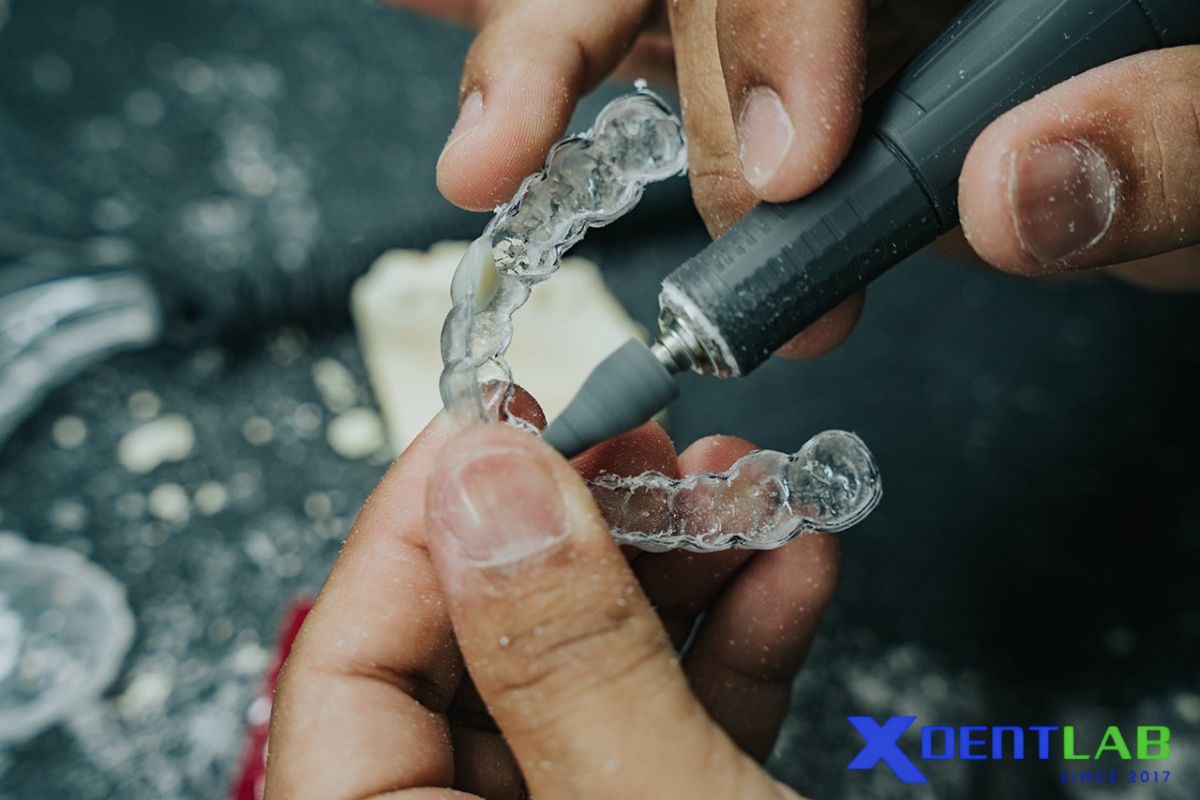
Modern night guards may be produced through thermoforming over printed or milled models, direct printing in approved appliance materials, and CAD/CAM design for more controlled thickness and anatomy.
Benefits for Dental Labs
Digital workflows improve consistency, scalability, turnaround time, design precision, and reproducibility for remake or revision cases.
For a professional lab-to-lab partner, this is especially valuable because standardization reduces variation across large case volumes.
Challenges in Night Guard Fabrication
Although night guards are common appliances, producing them well requires technical precision.
Common Technical Challenges
These may include incorrect thickness distribution, warpage during thermoforming, inaccurate occlusal contacts, poor edge finishing, inadequate polish, internal fit distortion, material selection mismatch, and premature wear in high-force patients.
Why Lab Quality Matters
An improperly fabricated night guard may lead to poor retention, discomfort, reduced compliance, increased adjustment time, faster failure, and more remakes.
That is why appliance manufacturing should follow a controlled workflow rather than a one-template-fits-all approach.
Future Directions for Dental Night Guards
The category continues to evolve through advances in material science and digital manufacturing.
Advanced Materials
Research is moving toward more durable polymers, improved clarity, better wear resistance, more comfortable hybrid materials, and smarter force-response behavior.
Greater Personalization
Digital dentistry allows appliances to be more customized in thickness, retention zones, occlusal contact design, material selection, and comfort profile.
Combined-Function Appliances
Some future devices may combine protection against bruxism with features related to airway support, sleep-related therapy, or monitoring technologies.
Broader Accessibility
As digital production becomes more efficient, custom night guards may become more accessible to more patients and practices globally.
Why Dental Night Guards Matter for Dental Labs and Outsourcing
For dental laboratories, night guards are not just routine appliances. They are a category where precision manufacturing, material understanding, and finishing quality strongly affect clinical success.
Relevance for Lab-to-Lab Service
A dependable outsourcing partner should be able to deliver consistent fit, material-appropriate fabrication, accurate occlusion, reliable finishing, scalable production quality, and predictable turnaround times.
Relevance to XDENT LAB
For XDENT LAB, night guards align closely with expertise in removable appliance manufacturing, digital production, and quality-controlled lab-to-lab workflows. As a Vietnam dental lab serving international partners, XDENT LAB’s value lies in combining trained technicians, scalable production capacity, digital workflow integration, FDA and ISO-aligned quality standards, and consistency for partner practices seeking reliable dental lab outsourcing.
In the night guard category, precision is not just about making an appliance that looks acceptable. It is about delivering an appliance that fits, functions, protects, and lasts.
Key Takeaways
Dental night guards are removable appliances designed to protect teeth, restorations, and jaw structures from bruxism and related occlusal stress. They are available in multiple forms, including soft night guards, hard night guards, dual-laminate appliances, and fully custom-fitted appliances.
Material choice affects comfort, durability, and clinical indication. Soft materials like EVA may be suitable for mild cases, while hard acrylic-based guards are typically preferred for severe bruxism and high-force protection. Digital dentistry has also transformed night guard production through better fit control, efficiency, and repeatability.
The main takeaway is simple: a high-quality dental night guard is not just a protective device, but a precision-made appliance that supports comfort, restorative longevity, and long-term oral health.
References
- Types of Mouth Guards & How They Protect Your Teeth - Cleveland Clinic
- Night Guard Materials: Types and Best Use Cases - Dandy
- What Types Of Materials Are Used In Custom Night Guards? - White Oak Dental Health
- Benefits of Hard and Soft Dental Night Guards - DDS Lab
About XDENT LAB:
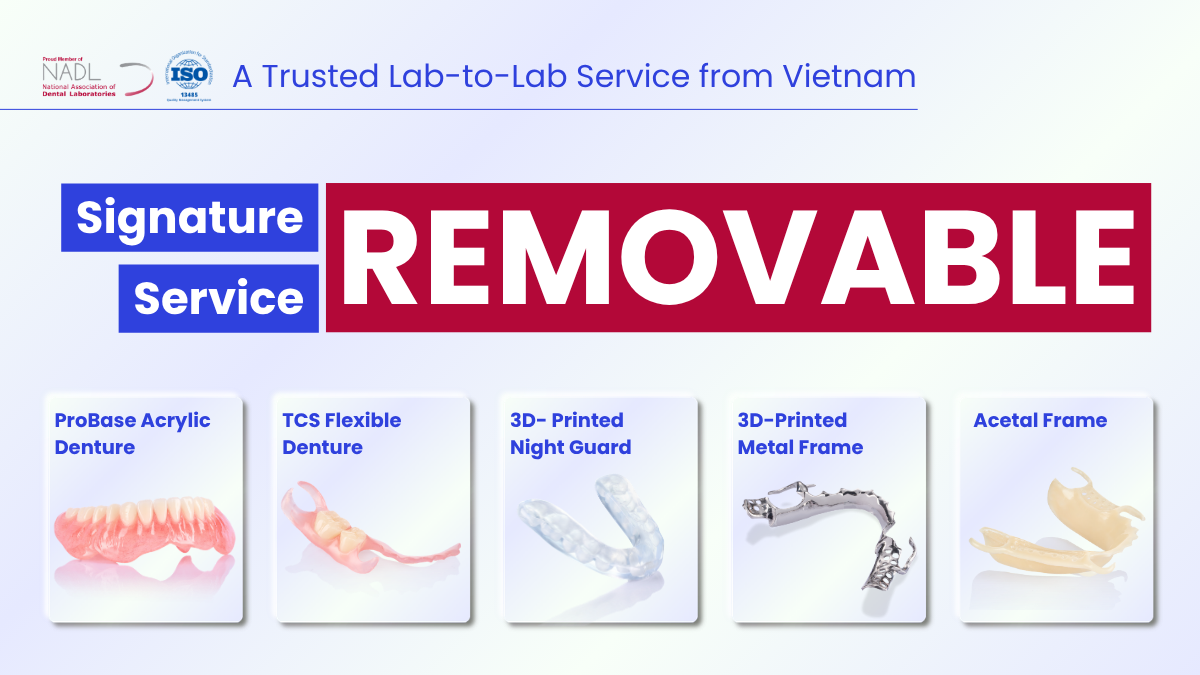
We are experts in Lab-to-Lab Full Service from Vietnam, with the signature services of Removable, meet U.S. market standards, FDA-registered, ISO 13485-certified. Founded in 2017, from local root to global reach, we scale with 2 Factories with over 100+ employees.
Our Commitments Built on “Trusted. Commitment. Quality”
- Commit to Large-Scale Manufacturing, high volume, remake rate < 1%.
- Commit to 5-Year Warranty
- Commit to Competitive Price
XDENT LAB | A Trusted Lab-to-Lab Service from Vietnam
Share this post:
Related Posts
See a real case produced by XDENT LAB, a dental lab outsourcing in Vietnam that serves US customers with high quality and optimized cost.
See 5 completed Acrylic RPD cases from XDENT LAB, a Vietnam dental laboratory serving US, Europe, and Australia. Reliable lab to lab subcontract partner since 2017.

Learn how fixed prosthodontics supports dental lab outsourcing with scalable production, precise workflows, material consistency, and reliable restorative quality.

