
Explore polyamide (nylon) in thermoplastic dentistry, including its properties, applications, advantages, limitations, and role in flexible dentures and removable prosthetics.
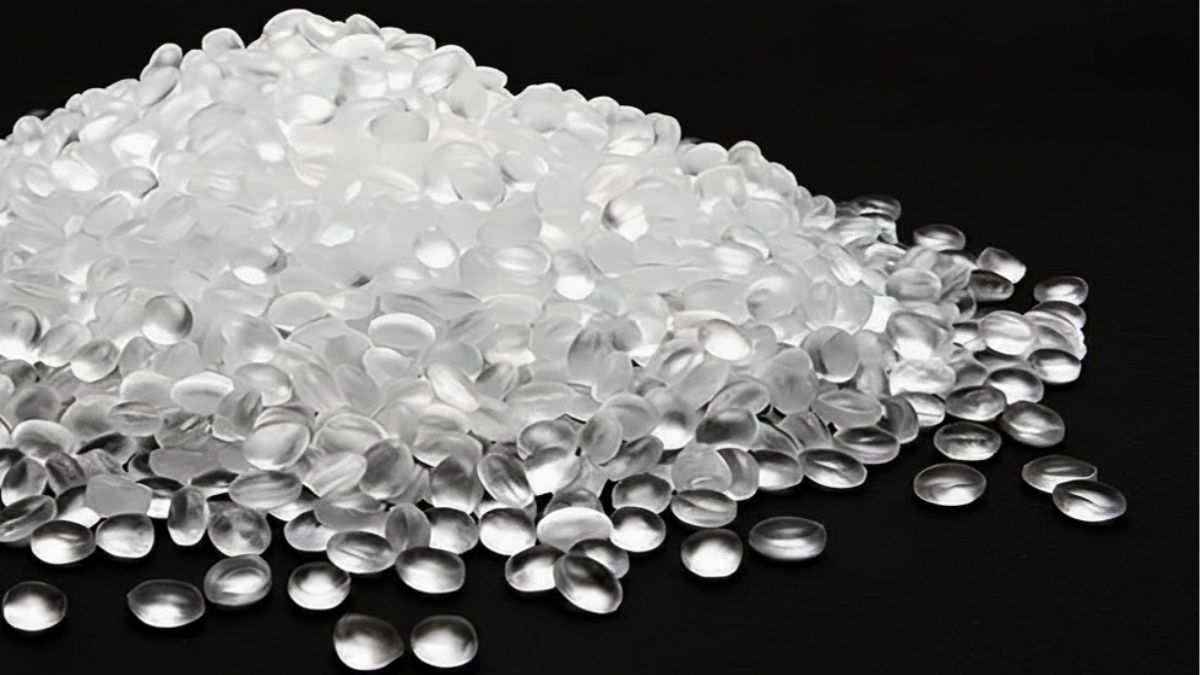
Table of contents [Show]
- What Is Polyamide in Dentistry?
- Key Properties of Polyamide (Nylon) in Dentistry
- Applications of Polyamide in Dentistry
- Advantages of Polyamide in Thermoplastic Dentistry
- Limitations and Challenges of Polyamide in Dentistry
- Polyamide vs PMMA in Dentistry
- Future Directions for Polyamide in Dentistry
- What Polyamide Means for Dental Labs and Outsourcing
- Key Takeaways
- References
Polyamide, commonly known as nylon, is one of the most established thermoplastic materials in dentistry, particularly in removable prosthodontics. Its clinical relevance comes from a distinct combination of flexibility, impact resistance, biocompatibility, and esthetic performance, which makes it especially useful for selected denture and appliance applications. In modern dental workflows, polyamide is often discussed as an alternative to more traditional acrylic-based materials, especially when patient comfort, metal-free design, and fracture resistance are priorities.
For dental practices, dental laboratories, and outsourcing partners, understanding polyamide is not only a matter of materials science. It also affects case selection, prosthetic design, patient satisfaction, manufacturing methods, polishing protocols, and long-term maintenance. Below is a structured overview of how polyamide functions in dentistry, where it performs well, where its limitations remain, and why it continues to be relevant in thermoplastic dental manufacturing.
What Is Polyamide in Dentistry?
Polyamide is a synthetic thermoplastic polymer used in several dental applications, most notably flexible dentures and removable partial dentures. Unlike conventional heat-cured acrylics such as PMMA, polyamide is processed using thermoplastic injection molding, which allows the material to be softened by heat, injected into a mold, and shaped into a finished prosthetic component.
Why Polyamide Matters in Dental Materials Science
In dentistry, polyamide occupies an important place because it offers a different balance of properties compared with rigid acrylics or metal-based structures.
Its main characteristics include high flexibility, good resistance to repeated stress, strong impact resistance, monomer-free composition, favorable tissue adaptation, and natural-looking translucency. These qualities have made nylon-based dental materials especially valuable in metal-free removable prosthetics, where comfort and esthetics are critical.
Polyamide Compared with Conventional Denture Materials
Compared with PMMA, polyamide is generally more flexible, less brittle, more resistant to sudden fracture, better suited for certain undercut areas, more challenging to adjust and polish, and less rigid in load-bearing situations.
This comparison is clinically important because the best material depends heavily on the indication. Polyamide is not a universal replacement for acrylic resin, but it is highly useful when the case calls for flexibility and patient comfort.
Key Properties of Polyamide (Nylon) in Dentistry
The clinical behavior of polyamide depends on its mechanical, biological, esthetic, and thermal properties. These material traits explain both its strengths and its limitations.
Mechanical Properties
Polyamide is widely recognized for its flexibility and fatigue resistance.
Flexibility and adaptation: This is one of its most important advantages. The material can flex during insertion and removal, which helps in cases involving soft tissue undercuts, irregular alveolar anatomy, and patients who struggle with rigid denture frameworks.
Impact resistance: Polyamide also performs well under repeated stress and sudden force. Compared with more brittle materials, it is generally less likely to crack when dropped or subjected to minor functional trauma.
Fatigue behavior: Because removable appliances are inserted, removed, and functionally loaded over time, fatigue resistance matters. Polyamide’s ability to tolerate repeated bending contributes to its durability in selected applications.
Biocompatibility and Oral Tolerance
Polyamide is often described as a biocompatible and monomer-free dental material.
Traditional acrylic systems may contain residual monomer, which can be associated with sensitivity or irritation in some patients. Polyamide avoids that concern because it is processed as a thermoplastic rather than through conventional monomer-polymer chemical curing.
Potential patient-related benefits include a lower risk of allergic response related to residual monomer, better tolerance for sensitive patients, comfortable intraoral wear, and reduced irritation in some removable appliance cases.
Esthetic Properties
Polyamide is valued in dentistry for its esthetic performance, particularly in removable partial dentures and visible clasp areas.
The material can offer natural translucency, gum-colored adaptation, better visual blending in soft tissue areas, and more esthetic clasping compared with visible metal clasps. This is one reason nylon-based flexible dentures have become popular for patients who prioritize appearance.
When properly finished, polyamide can appear highly esthetic. However, long-term color stability depends on surface smoothness, oral hygiene, dietary habits, material quality, and polishing protocol.
Thermal and Processing Characteristics
As a thermoplastic polymer, polyamide behaves differently from traditional denture base resins.
Polyamide requires controlled heating, specialized cartridges or capsules in some systems, injection molding equipment, and precise temperature and pressure management. This makes laboratory processing more technique-sensitive than conventional acrylic packing and curing.
For laboratories, polyamide demands proper equipment investment, technician familiarity with thermoplastic systems, strong finishing and polishing protocols, and careful case selection.
Applications of Polyamide in Dentistry
Polyamide is used across several areas of dentistry, though its strongest role remains in removable appliance fabrication.
Flexible Denture Bases
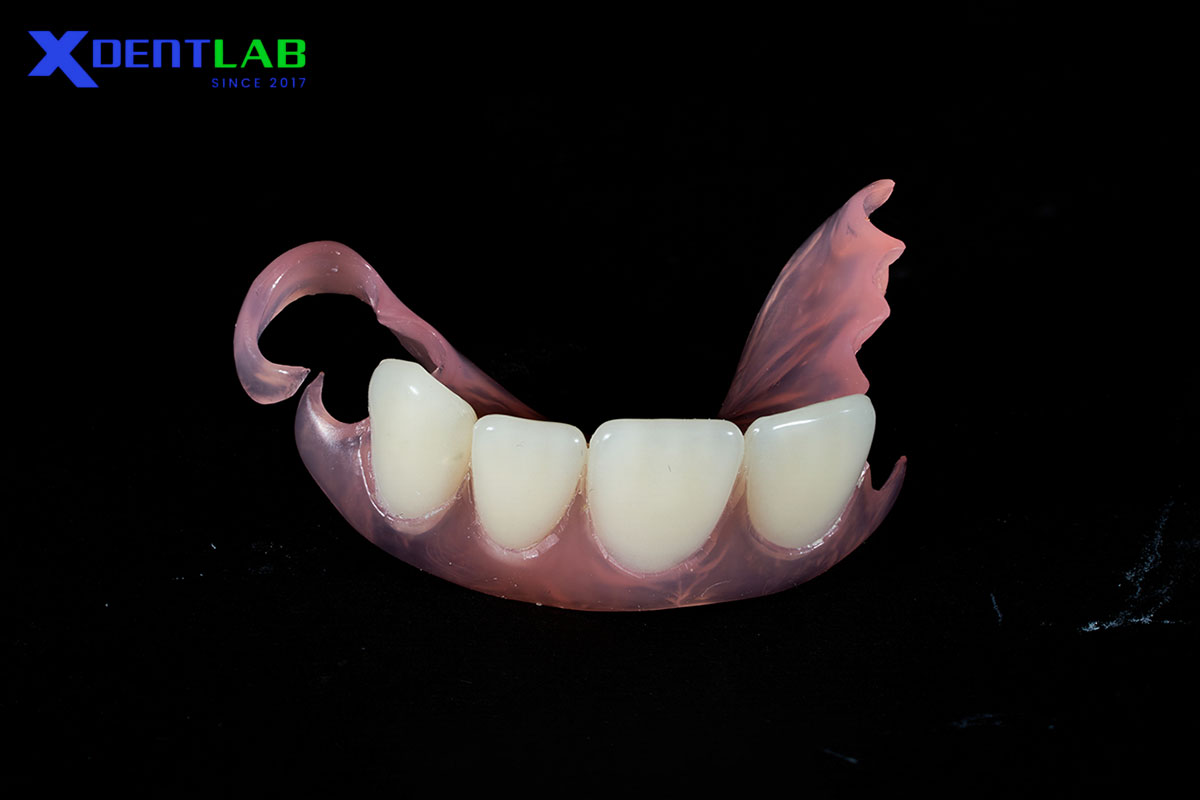
This is the most recognized application of nylon in dentistry. Polyamide denture bases are lightweight, flexible, metal-free, esthetically appealing, and resistant to fracture from impact.
They are especially useful for patients who need a comfortable removable appliance, have undercuts that complicate rigid denture insertion, prefer metal-free esthetics, or have experienced acrylic denture fracture in the past.
Flexible denture bases can improve comfort and retention in selected cases, but they also require realistic expectations regarding relining, adjustment, and long-term rigidity.
Removable Partial Dentures
Polyamide is frequently used for flexible removable partial dentures.
These appliances often benefit from tissue-colored clasps, better esthetics in anterior regions, comfortable insertion and removal, and reduced visibility of retentive components.
Polyamide partial dentures may be especially considered for patients with metal sensitivity, patients refusing visible metal clasps, transitional or interim removable cases, and cases where flexibility offers insertion advantages. That said, they are not always ideal where rigid support and controlled load distribution are essential.
Orthodontic and Appliance Applications
Polyamide has also been used in selected orthodontic and removable appliance indications, including retainers, selected aligner-related components, night guards or protective appliances in some systems, and other removable thermoplastic devices.
Its flexibility and toughness can be useful here, though application-specific material selection remains important.
Maxillofacial Prosthetics
Because of its flexibility and tissue tolerance, polyamide may also be considered in certain maxillofacial prosthetic applications. Its adaptability to complex anatomy, lightweight characteristics, patient comfort, and acceptable biocompatibility make it relevant in specialized cases.
Temporary Restorative and Transitional Uses
In selected workflows, nylon-based thermoplastics may be used for temporary or transitional prosthetic purposes. Potential advantages include improved comfort, reasonable short-term durability, esthetic appearance, and reduced fracture risk during provisional use.
Advantages of Polyamide in Thermoplastic Dentistry
Polyamide’s popularity in dentistry comes from a clear set of practical benefits.
Flexibility and Comfort
Its flexibility helps appliances adapt to oral anatomy and may improve patient comfort during insertion, removal, and function.
Fracture Resistance
Compared with brittle acrylic systems, polyamide is more resistant to impact-related fracture.
Its translucent, gum-matching appearance allows for less visible retentive features and a more natural look.
Monomer-Free Formulation
This is a meaningful benefit for patients with acrylic sensitivity concerns.
Biocompatibility
Polyamide is generally well tolerated when properly processed and maintained.
Useful for Selected Undercut Cases
Its ability to flex around anatomical contours can make it valuable in cases that are difficult for rigid prostheses.
Limitations and Challenges of Polyamide in Dentistry
Like every dental material, polyamide brings trade-offs. Understanding those limitations is critical for proper case planning.
Flexibility is helpful, but too much flexibility can be a disadvantage. In some removable prosthetic designs, rigidity is necessary for stable support, better force distribution, controlled function, and long-term structural predictability.
Polyamide is not always the ideal material where stiffness is essential.
Processing Complexity
Polyamide requires more specialized fabrication methods than conventional acrylics. Injection systems are needed, processing parameters must be controlled carefully, technique errors can affect fit and finish, and not every lab is equally equipped for thermoplastic work.
For dental practices, this means material selection should be paired with a capable laboratory partner.
Finishing and Surface Roughness
Surface quality is a major issue in thermoplastic prosthetics. If the surface is not polished correctly, plaque accumulation may increase, staining risk may rise, hygiene becomes more difficult, and patient satisfaction can decline.
Polyamide can be more challenging to finish than PMMA, which makes polishing skill especially important.
Repair, Adjustment, and Relining Limitations
One of the practical drawbacks of flexible nylon dentures is that they can be more difficult to reline, rebase, repair, and chairside adjust. This affects long-term maintenance planning and should be explained clearly during treatment planning.
Long-Term Color Stability
Although initially esthetic, some polyamide materials may show discoloration over time depending on material composition, oral environment, food and beverage exposure, surface quality, and cleaning habits.
Polyamide vs PMMA in Dentistry
This is one of the most important comparisons for practical material selection.
| Property | Polyamide (Nylon) | PMMA (Acrylic) |
|---|---|---|
| Flexibility | High | Low to moderate |
| Rigidity | Lower | Higher |
| Impact resistance | Strong | More brittle |
| Monomer content | Monomer-free | May contain residual monomer |
| Esthetic clasping | Better for metal-free design | Limited unless combined with other systems |
| Ease of repair | More difficult | Easier |
| Polishing and finishing | More technique-sensitive | Generally easier |
| Indicated use | Flexible removable appliances | Conventional denture bases and rigid removable designs |
This comparison shows why polyamide should be viewed as a case-specific material, not simply a superior or inferior alternative.
Future Directions for Polyamide in Dentistry
Research and material development continue to improve the role of nylon in dental applications.
Material Enhancement
Ongoing development focuses on improving stiffness, surface smoothness, wear resistance, color stability, and processing consistency.
Reinforced and Hybrid Formulations
Researchers are exploring combinations of polyamide with glass fibers, fillers, nanoparticles, and other polymer systems. The goal is to preserve flexibility while improving structural performance.
Digital and Additive Manufacturing Potential
As digital dentistry advances, interest is growing in whether thermoplastic polymers such as polyamide can be better integrated into CAD/CAM workflows, additive manufacturing, and more precise customized appliance fabrication.
This remains an evolving area, but it is highly relevant to the future of removable prosthodontics.
Sustainability Considerations
The broader dental materials sector is also paying more attention to material efficiency, waste reduction, manufacturing optimization, and more environmentally responsible polymer development.
What Polyamide Means for Dental Labs and Outsourcing
For a modern dental laboratory, polyamide is not just a material category. It is part of a broader strategic capability in thermoplastic prosthetics, removable dentistry, and case-specific manufacturing.
Why This Matters for Lab-to-Lab Service
Practices and partner labs need outsourcing providers that understand which cases are suitable for nylon, how to process thermoplastic materials accurately, how to manage esthetic and functional trade-offs, and how to deliver consistent quality in removable appliances.
Relevance to XDENT LAB
For XDENT LAB, expertise in removable and implant-related workflows makes this topic especially relevant. A high-quality Vietnam dental lab with strong thermoplastic knowledge can help partner practices and labs achieve better case selection, more consistent appliance quality, reliable esthetic outcomes, scalable production support, and compliance-driven manufacturing standards.
In a competitive market, deep familiarity with materials like polyamide helps transform outsourcing from a simple production task into a true technical partnership.
Key Takeaways
Polyamide, or nylon, remains one of the most important thermoplastic materials in dentistry, especially for flexible dentures, removable partial dentures, and selected removable appliances.
Its main advantages include flexibility, patient comfort, impact resistance, metal-free esthetics, and monomer-free biocompatibility.
At the same time, it has real limitations involving lower rigidity, more complex processing, challenging finishing, repair and relining difficulty, and long-term color stability concerns.
The key takeaway is simple: polyamide is highly valuable when used for the right indication, with the right design, and by the right laboratory. In modern prosthodontics, that combination makes all the difference.
References
- Polyamide as a Denture Base Material: A Literature Review - PMC
- Modern Thermoplastic Materials in Dentistry - XDentLab
- Polyamide Resins in Removable Dentures - Dental News
- Thermoplastic Resins used in Dentistry - IntechOpen
About XDENT LAB:
We are experts in Lab-to-Lab Full Service from Vietnam, with the signature services of Removable, meet U.S. market standards, FDA-registered, ISO 13485-certified. Founded in 2017, from local root to global reach, we scale with 2 Factories with over 100+ employees.
Our Commitments Built on “Trusted. Commitment. Quality”
- Commit to Large-Scale Manufacturing, high volume, remake rate < 1%.
- Commit to 5-Year Warranty
- Commit to Competitive Price
XDENT LAB | A Trusted Lab-to-Lab Service from Vietnam
Share this post:
Related Posts
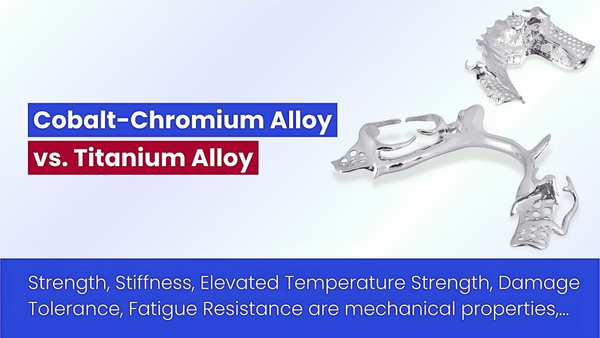
Learn the key differences between titanium and cobalt-chromium alloys used in removable partial denture frameworks, from mechanical properties to production requirements.
Explore biodegradable materials in dentistry, including their applications, benefits, limitations, and future potential in regenerative and sustainable dental care.
Learn how polyamide dental materials support flexible dentures and removable prosthetics through biocompatibility, aesthetics, comfort, and lightweight performance.

