
Learn how polymer materials are used in dentistry, from composite resins and PMMA to PEEK, with insights into properties, applications, and clinical challenges.
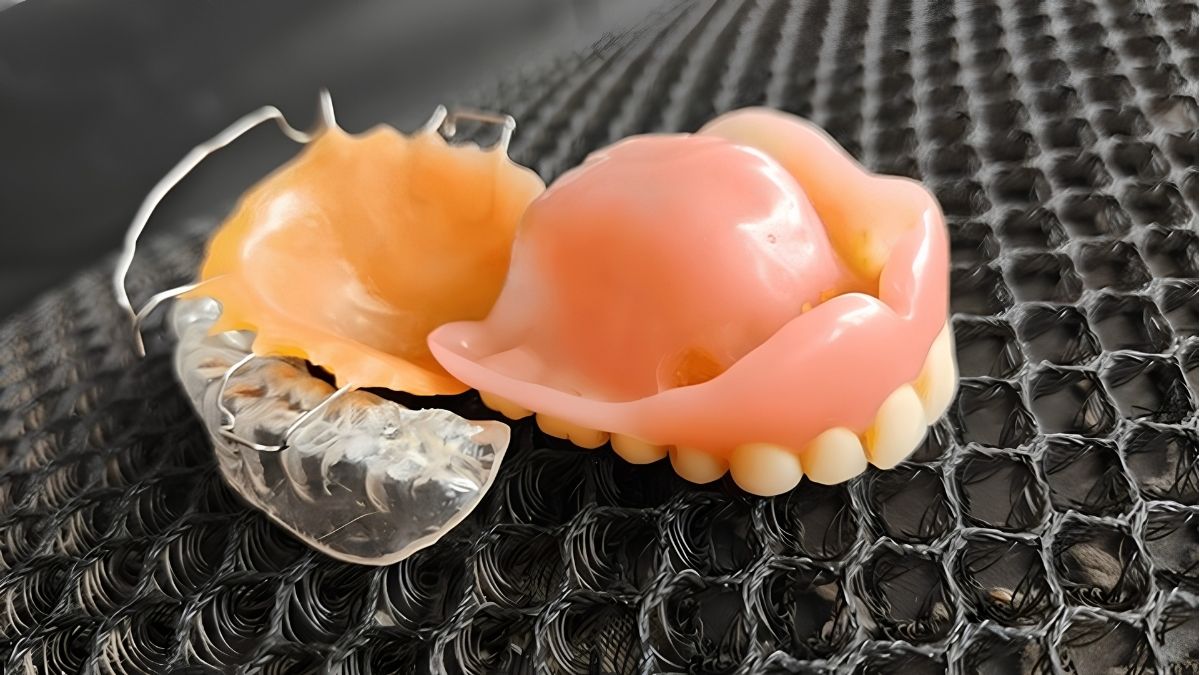
Table of contents [Show]
- Understanding Polymer Materials in Dentistry
- Classification of Polymer Materials in the Dental Industry
- Core Properties of Dental Polymers
- Applications of Polymer Materials Across Dental Specialties
- Digital Dentistry and Additive Manufacturing
- Challenges of Polymer Materials in Dentistry
- Future Trends in Dental Polymer Materials
- Comparison of Common Polymer Materials in Dentistry
- Relevance for Dental Labs and Outsourcing Partners
- Key Takeaways
- References
Polymer materials have become essential to modern dentistry because they combine versatility, aesthetics, processability, and clinical practicality across a wide range of applications. From composite restorations and denture bases to clear aligners, implant prostheses, impression materials, and tissue regeneration scaffolds, polymers now support both everyday treatments and advanced digital workflows.
For dental professionals, understanding the types of dental polymers, their properties, indications, limitations, and manufacturing methods is increasingly important. Material selection affects not only strength and esthetics, but also biocompatibility, accuracy, longevity, patient comfort, and laboratory efficiency. This article explains how polymer materials function in the dental industry and why they continue to shape the future of restorative and prosthetic care.
Understanding Polymer Materials in Dentistry
Polymer materials are macromolecules made of repeating monomer units. In dentistry, these materials are valued because they can be formulated to achieve very different clinical behaviors, from rigid denture bases to flexible aligners, from esthetic filling materials to bioactive regenerative scaffolds.
Their importance has grown with the rise of aesthetic dentistry, digital dentistry, CAD/CAM fabrication, 3D printing, lightweight prosthetic frameworks, and minimally invasive treatment approaches.
Compared with some traditional materials, polymers often offer lower weight, easier processing, better adaptability, improved patient comfort, and broad design flexibility.
Why Dental Polymers Matter Clinically
In clinical and lab settings, polymer materials influence restoration fit and marginal adaptation, occlusal performance, fracture behavior, wear resistance, soft tissue response, color and translucency, manufacturing efficiency, and repairability. This makes polymer selection a strategic decision rather than a simple technical choice.
Classification of Polymer Materials in the Dental Industry
Dental polymers can be grouped by chemistry, structure, and application. The categories below cover the most relevant materials used in modern dental practice and laboratory workflows.
Acrylic Polymers
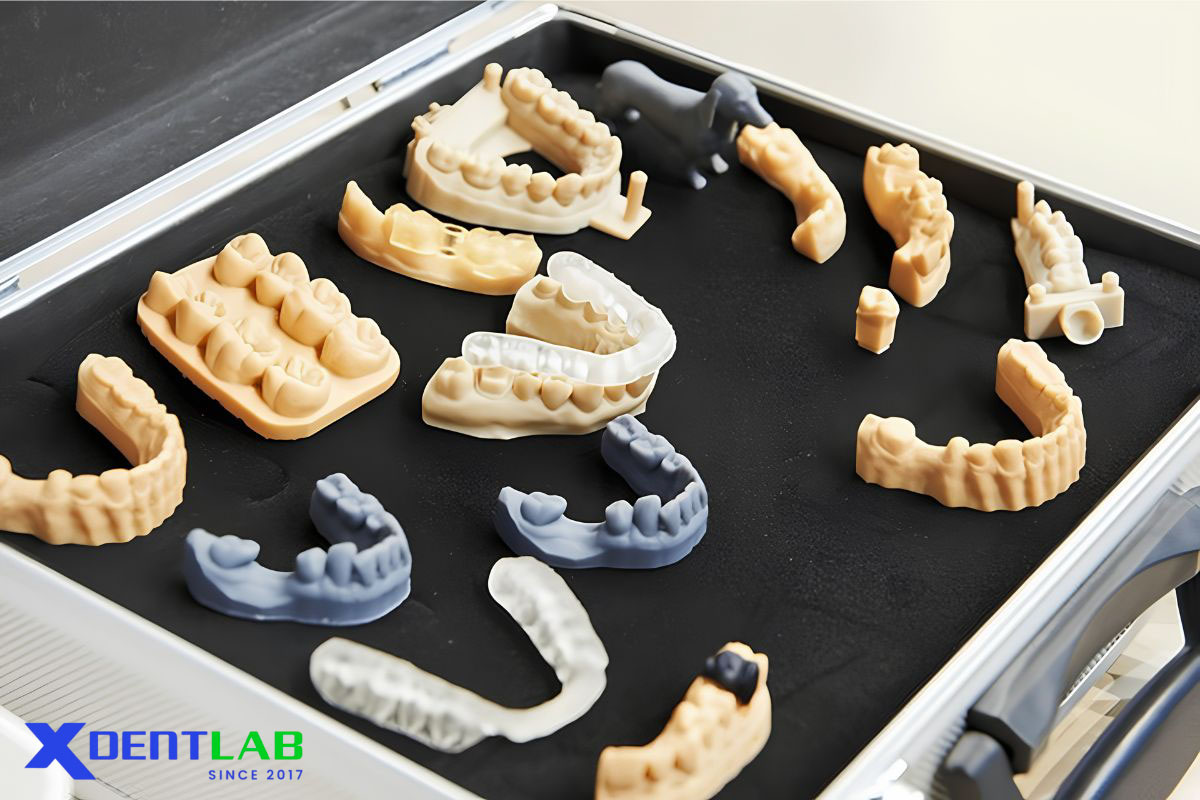
Acrylic polymers, especially polymethyl methacrylate (PMMA), remain among the most widely used materials in prosthodontics.
Common applications: denture bases, artificial denture teeth, temporary crowns, temporary bridges, and occlusal splints.
Main advantages: good esthetics, ease of processing, acceptable biocompatibility, cost-effectiveness, and wide laboratory familiarity.
Key limitations: susceptibility to fracture, wear over time, possible dimensional change, and limited thermal resistance compared with some advanced materials.
Composite Resins
Composite resins are among the most important polymer-based materials in restorative dentistry. They typically include a resin matrix such as Bis-GMA or UDMA, inorganic fillers such as silica, glass, or zirconia, and coupling agents and initiators.
Common applications: direct fillings, veneers, inlays and onlays, core build-ups, indirect composite restorations, and sealants.
Main advantages: excellent esthetics, good compressive and wear resistance, conservative tooth preparation, and strong adhesion in adhesive workflows.
Key limitations: polymerization shrinkage, technique sensitivity, residual monomer concerns, and long-term wear in heavy-load situations.
Polyetheretherketone (PEEK)
PEEK is a high-performance engineering polymer that has gained attention in advanced prosthodontics and implant dentistry.
Common applications: implant-supported prosthetic frameworks, removable partial denture frameworks, provisional restorations, and reinforcement structures.
Main advantages: high strength-to-weight ratio, excellent biocompatibility, low weight, favorable shock absorption, and good chemical resistance.
Key limitations: limited inherent esthetics, higher cost, and bonding and veneering challenges in some workflows.
Silicone Polymers
Silicone materials are important where elasticity, softness, and adaptation are needed.
Common applications: impression materials, maxillofacial prostheses, and denture soft liners.
Main advantages: excellent elastic recovery, good soft tissue compatibility, ease of handling, and useful surface detail reproduction in impression systems.
Key limitations: lower mechanical strength, potential microbial colonization, and longevity challenges in some long-term soft applications.
Polyamides
Polyamides, often associated with nylon-based dental materials, are used in flexible prosthetic solutions.
Common applications: flexible partial dentures, some orthodontic appliances, and selected provisional applications.
Main advantages: flexibility, high impact resistance, lightweight comfort, and reduced risk of brittle fracture.
Key limitations: lower stiffness, possible discoloration over time, finishing and adjustment challenges, and more complex repair protocols than PMMA in some cases.
Biodegradable and Bioactive Polymers
These materials are increasingly important in regenerative and preventive dentistry.
Common applications: guided tissue regeneration membranes, drug delivery systems, tissue engineering scaffolds, and bioactive preventive materials.
Main advantages: controlled degradation, potential tissue support, possibility for therapeutic release, and regenerative compatibility.
Key limitations: cost, stability in oral conditions, manufacturing complexity, and the need for more long-term clinical data in certain indications.
Core Properties of Dental Polymers
Material selection in dentistry depends on understanding not just what a polymer is, but how it behaves under clinical conditions.
Mechanical Properties
Mechanical behavior determines whether a polymer is suitable for a direct restoration, a denture base, a framework, or a soft liner.
Important mechanical features: flexural strength, elastic modulus, impact resistance, wear resistance, and fracture toughness.
For example, composite resins offer good flexural and wear properties, polyamides provide flexibility and impact resistance, and PEEK offers strong mechanical performance with low weight.
Biocompatibility
Biocompatibility is central because dental materials remain in prolonged contact with enamel and dentin, gingiva and mucosa, saliva, bacterial biofilm, and sometimes bone and peri-implant tissues.
Key biocompatibility considerations: residual monomer release, cytotoxicity risk, surface interactions with plaque, soft tissue tolerance, and long-term oral stability.
Modern research increasingly focuses on reducing biological risk while improving performance.
Aesthetic Properties
Many polymer materials are selected because they can resemble natural teeth or soft tissues.
Important aesthetic features: translucency, shade match potential, surface polishability, color stability, and texture reproduction.
Composite resins and acrylics are especially important where esthetics drive material choice.
Processing and Manufacturing Properties
A major strength of polymer materials is their compatibility with multiple fabrication methods.
Common processing methods: conventional flasking and packing, injection molding, light curing, heat curing, CAD/CAM milling, and 3D printing.
This processing flexibility supports both chairside and laboratory production models.
Applications of Polymer Materials Across Dental Specialties
Dental polymers are used widely because each specialty has different mechanical, biological, and aesthetic demands.
Restorative Dentistry
In restorative dentistry, polymer-based materials are essential for both direct and indirect treatment.
Common uses: composite fillings, sealants, core build-ups, inlays and onlays, veneers, and provisional crowns.
These materials allow conservative preparation and esthetic integration.
Prosthodontics
Prosthodontics relies heavily on polymers, particularly in removable and provisional workflows.
Common uses: denture bases, artificial teeth, temporary restorations, flexible partial dentures, soft liners, and implant prosthetic components in selected systems.
This is particularly relevant for laboratories managing high-volume removable and implant cases.
Orthodontics
Polymers are central to modern orthodontics, especially in clear appliance systems.
Common uses: clear aligners, retainers, elastomeric components, and functional appliances in selected designs.
Their transparency and flexibility have helped transform patient expectations in orthodontic treatment.
Implantology
In implant workflows, polymers are used selectively where weight, shock absorption, or temporary function matter.
Common uses: provisional implant restorations, framework materials such as PEEK, surgical guides using printable resins, and regenerative membranes and scaffolds.
Digital implant planning has expanded the importance of printable polymer systems considerably.
Preventive and Regenerative Dentistry
Polymer materials also support prevention and tissue management.
Common uses: pit and fissure sealants, fluoride varnish carriers, drug delivery systems, and guided tissue regeneration membranes.
These applications show that polymers are not limited to restorations alone.
Digital Dentistry and Additive Manufacturing
One of the biggest reasons polymer materials are so important today is their compatibility with digital workflows.
CAD/CAM and Milled Polymer Materials
Milled polymer blocks are used for provisionals, long-term provisional restorations, denture bases in digital workflows, and certain framework applications.
Key benefits: standardized manufacturing, better repeatability, efficient lab production, and integration with digital design files.
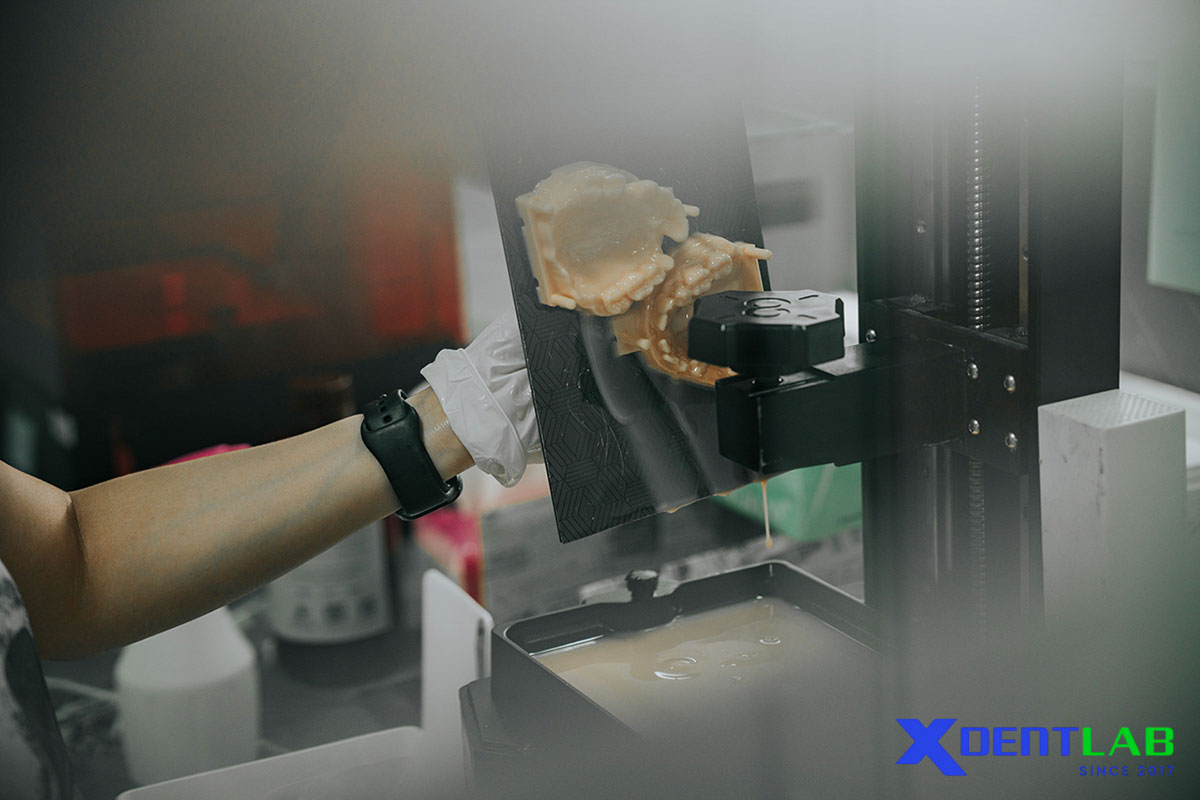
3D Printing of Dental Polymers
Printable resins are increasingly used for surgical guides, models, splints, custom trays, denture bases in selected workflows, temporary crowns and bridges, and orthodontic appliances.
Why this matters: 3D printing supports fast turnaround, customization, reduced material waste, scalable production, and complex geometry fabrication.
For dental labs and outsourcing partners, this is not a side trend. It is a structural shift in how cases are produced.
Challenges of Polymer Materials in Dentistry
Despite their advantages, dental polymers also present important limitations.
Polymerization Shrinkage
This issue is especially relevant in composite resins.
Clinical risks include: marginal gap formation, microleakage, postoperative sensitivity, secondary caries, and stress at the bonded interface.
Shrinkage management remains a major topic in restorative material science.
Biocompatibility and Residual Monomers
Some polymer systems may release unreacted components.
Potential concerns: cytotoxicity, local tissue irritation, allergic or hypersensitivity reactions in susceptible individuals, and long-term biological uncertainty in some materials.
This is why proper curing, validated processing, and material quality control are essential.
Wear, Fatigue, and Fracture
While polymers can perform well, some applications still demand the superior hardness or rigidity of ceramics and metals.
Common limitations: occlusal wear, reduced long-term stability in high-load zones, fracture in thin sections, and surface degradation over time.
Material selection must always match indication and load profile.
Cost and Accessibility
Advanced polymers such as PEEK and certain printable or bioactive systems may be limited by higher raw material cost, equipment requirements, processing expertise, and limited availability in some markets.
Future Trends in Dental Polymer Materials
Research into dental polymers is moving quickly, especially at the intersection of biomaterials and digital manufacturing.
Improved Biocompatibility
Future polymer systems are being designed to reduce monomer release, improve tissue tolerance, enhance oral safety profiles, and minimize inflammatory risk.
Smart and Responsive Polymers
Emerging materials may respond to pH changes, temperature shifts, mechanical stress, and bacterial activity. These smart systems may one day release therapeutic agents or change behavior in response to the oral environment.
Multifunctional Materials
Researchers are increasingly developing polymers that combine mechanical durability, antimicrobial effects, remineralization potential, bioactivity, and esthetic stability.
Sustainability and Material Efficiency
Environmental concerns are also shaping future research. Focus areas include lower-waste manufacturing, more efficient 3D printing systems, sustainable raw materials, and improved lifecycle performance.
Expansion of Digital-First Laboratory Workflows
As workflows become more digital, polymer materials will likely become even more central in scalable case production, cross-border lab-to-lab collaboration, faster remake cycles, and standardized quality systems.
Comparison of Common Polymer Materials in Dentistry
Below is a quick-reference comparison of major dental polymer categories and their clinical relevance.
| Polymer Type | Common Uses | Main Strengths | Key Limitations |
|---|---|---|---|
| Acrylic polymers (PMMA) | Denture bases, temporaries | Esthetic, cost-effective, easy to process | Fracture risk, wear, limited thermal resistance |
| Composite resins | Fillings, veneers, inlays/onlays | Esthetics, adhesion, wear resistance | Shrinkage, technique sensitivity |
| PEEK | Frameworks, implant prostheses | Lightweight, strong, biocompatible | Limited esthetics, higher cost |
| Silicone polymers | Impressions, maxillofacial prostheses, soft liners | Elastic recovery, flexibility, tissue comfort | Lower strength, microbial colonization risk |
| Polyamides | Flexible dentures, appliances | Flexibility, impact resistance, comfort | Discoloration, lower stiffness |
| Biodegradable polymers | GTR, scaffolds, drug delivery | Regenerative potential, controlled degradation | Cost, stability, limited long-term data |
This comparison shows that there is no universal best polymer. The best material depends on the indication, workflow, and clinical objective.
Relevance for Dental Labs and Outsourcing Partners
For dental laboratories, polymer materials are not just clinical materials. They are also workflow materials.
Why This Matters Operationally
Material choice affects case design, milling or printing compatibility, finishing protocols, repair workflows, remake rates, turnaround time, shipping durability, and cost control.
In a lab-to-lab environment, especially across international production systems, consistency in polymer processing is critical.
Relevance to XDENT LAB
For XDENT LAB, polymer materials are highly relevant across removable prosthetics, implant restorations, digital production workflows, and lab-to-lab dental outsourcing.
As a Vietnam dental lab serving practices that prioritize quality and consistency, understanding polymer performance is essential for producing restorations and appliances that meet functional, esthetic, and regulatory expectations.
This matters even more when working at scale. A reliable outsourcing partner must not only process polymer-based cases efficiently, but also understand material behavior, indication limits, occlusal and anatomical function, manufacturing tolerances, and U.S. quality expectations. That combination of material knowledge and production discipline supports predictable case outcomes.
Key Takeaways
Polymer materials have become indispensable in the dental industry because they offer a broad mix of esthetics, flexibility, biocompatibility, lightweight performance, and digital manufacturing compatibility.
They are used across restorative dentistry, prosthodontics, orthodontics, implantology, preventive dentistry, and regenerative applications.
At the same time, they also bring important challenges, including polymerization shrinkage, wear and fracture risks, residual monomer concerns, and cost barriers for advanced systems.
The central takeaway is clear: polymer materials are shaping the future of modern dentistry, especially as digital workflows, bioactive materials, and lab-to-lab outsourcing continue to expand.
References
- Modern Polymers for Dental Application – PMC
- Global Research on Dental Polymers – ScienceDirect
- Developments of Polymer Materials in Dentistry – AZoM
- Polymeric Materials in Dentistry – ResearchGate
About XDENT LAB:
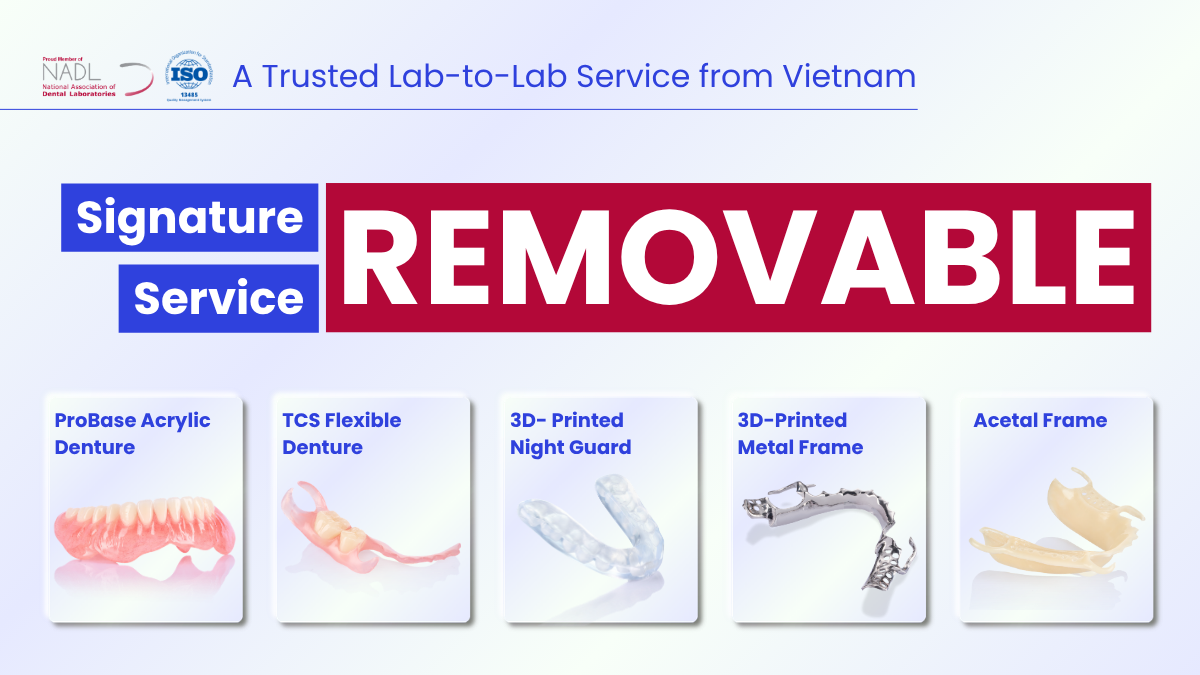
We are experts in Lab-to-Lab Full Service from Vietnam, with the signature services of Removable, meet U.S. market standards, FDA-registered, ISO 13485-certified. Founded in 2017, from local root to global reach, we scale with 2 Factories with over 100+ employees.
Our Commitments Built on “Trusted. Commitment. Quality”
- Commit to Large-Scale Manufacturing, high volume, remake rate < 1%.
- Commit to 5-Year Warranty
- Commit to Competitive Price
XDENT LAB | A Trusted Lab-to-Lab Service from Vietnam
Share this post:
Related Posts
Learn the key differences between titanium and cobalt-chromium alloys used in removable partial denture frameworks, from mechanical properties to production requirements.
Explore biodegradable materials in dentistry, including their applications, benefits, limitations, and future potential in regenerative and sustainable dental care.
Learn how polyamide dental materials support flexible dentures and removable prosthetics through biocompatibility, aesthetics, comfort, and lightweight performance.

