
A comprehensive comparison of nylon and polyolefin thermoplastics in flexible dentures, covering strength, aesthetics, flexibility, and clinical indications to help dental professionals choose the right material.
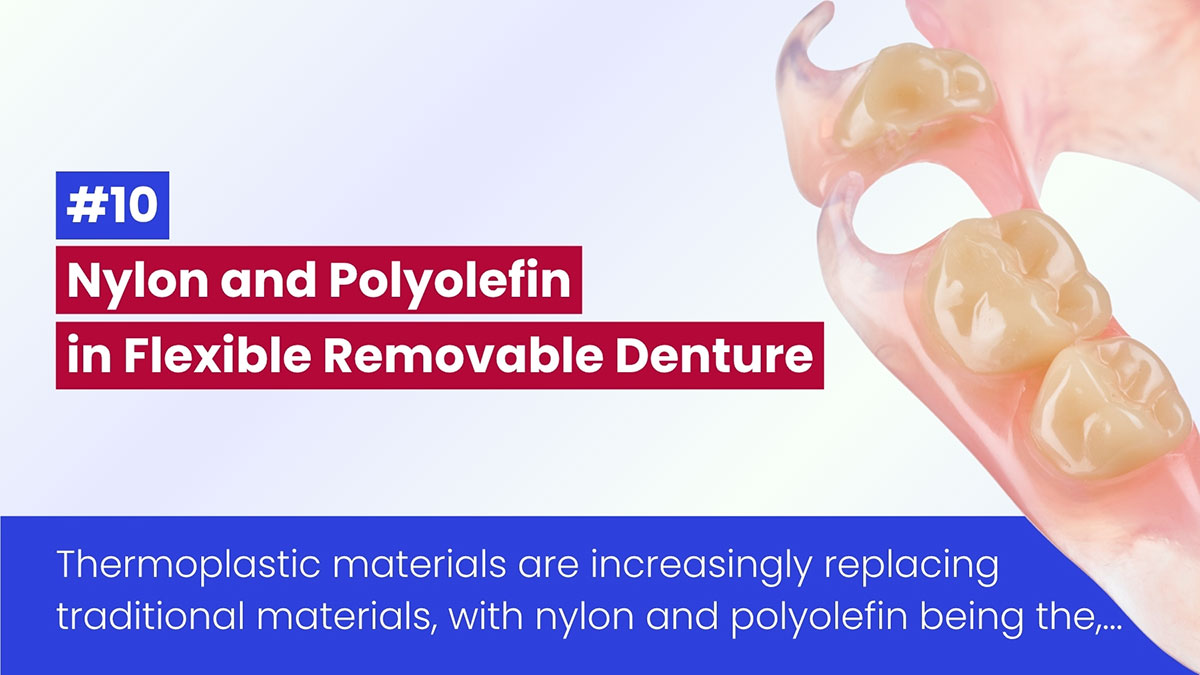
Table of contents [Show]
- Overview of Flexible Denture Materials
- 1. Nylon Thermoplastic – High Strength and Elasticity
- 2. Polyolefin Thermoplastic – Aesthetic and Easy to Handle
- 3. Direct Comparison of the Two Materials
- 4. Choosing the Right Material for Each Case
- 5. Current Trends in Removable Prosthodontics
- Conclusion
- References
Overview of Flexible Denture Materials
In modern removable prosthodontics, thermoplastic materials are increasingly replacing traditional acrylic and metal in many applications.
The two most commonly used material groups today are:
- Nylon thermoplastic
- Polyolefin thermoplastic
Both are widely used to fabricate flexible partial dentures, offering superior aesthetics and enhanced patient comfort.
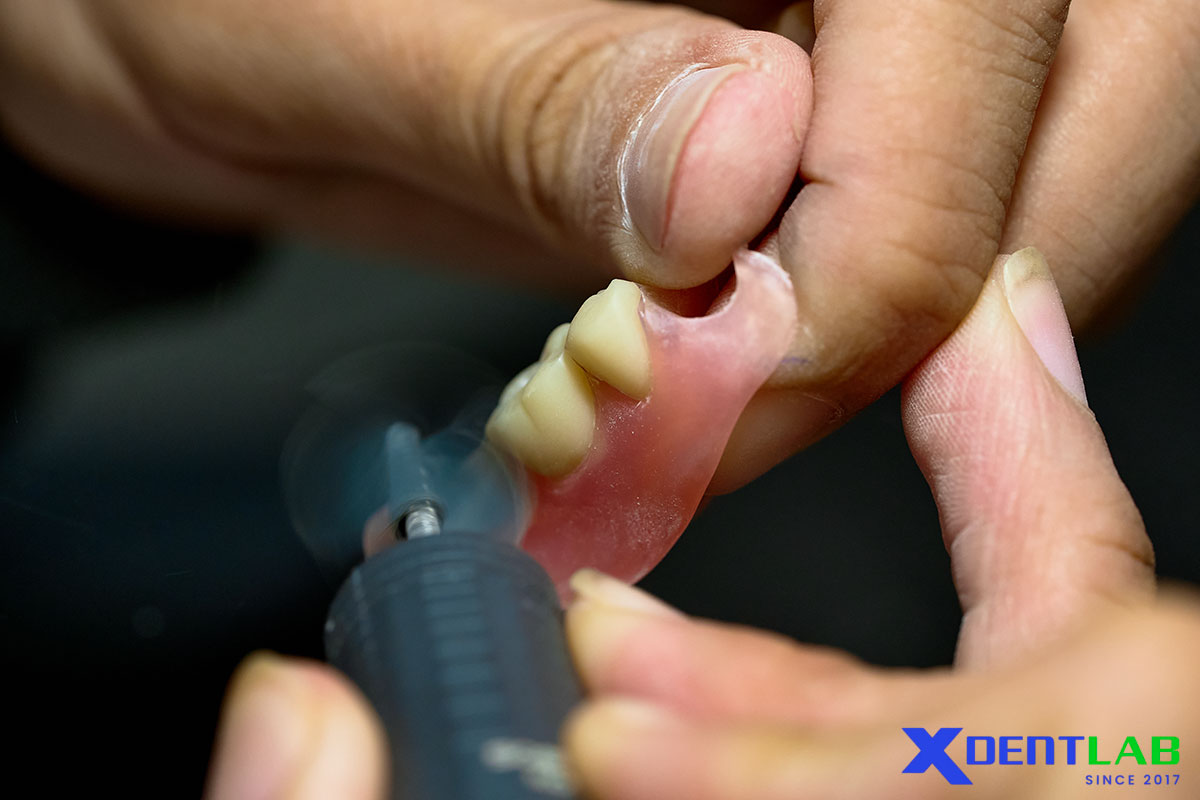
1. Nylon Thermoplastic – High Strength and Elasticity
Key Characteristics
- Very high strength and fracture resistance
- Excellent flexibility
- Strong “memory” (shape retention)
- Lightweight and comfortable to wear
Advantages
- Ideal for cases requiring high durability
- Lower risk of fracture compared to conventional acrylic
- Maintains stable form over time
Limitations
- Lower translucency compared to some other materials
- More difficult to polish
- May be prone to staining over time without proper maintenance
Best suited for:
- High-load cases
- Patients with strong bite force
- Restorations requiring long-term stability
2. Polyolefin Thermoplastic – Aesthetic and Easy to Handle
Key Characteristics
- Higher translucency
- Easier finishing and polishing
- Good stain resistance
- Moderate flexibility
Advantages
- Superior aesthetics, closely resembling natural gingiva
- Smooth surface with easier polishing
- Easier to maintain and clean
Limitations
- Lower strength than nylon in certain cases
- Slightly lower “memory” performance
- Less suitable for high-stress applications
Best suited for:
- High aesthetic cases
- Anterior restorations
- Patients prioritizing natural appearance and comfort
3. Direct Comparison of the Two Materials
Nylon Thermoplastic
- Strength: Very high, highly fracture-resistant
- Flexibility: High, excellent elasticity
- Aesthetics: Good, but less translucent
- Translucency: Lower than polyolefin
- Polishability: More difficult, requires skilled technique
- Stain resistance: Moderate
- Memory (shape retention): Excellent, maintains long-term stability
- Main application: Load-bearing cases, posterior region
Polyolefin Thermoplastic
- Strength: Moderate to high
- Flexibility: Moderate, softer than nylon
- Aesthetics: Very high, closely mimics natural gingiva
- Translucency: High, more natural appearance
- Polishability: Easier, smoother surface finish
- Stain resistance: Better than nylon
- Memory (shape retention): Good, but slightly inferior to nylon
- Main application: Aesthetic cases, anterior region
4. Choosing the Right Material for Each Case
There is no single “best” material for all situations. The selection depends on specific clinical requirements:
When to Choose Nylon
- Patients with strong bite force
- Cases requiring long-term durability
- Posterior restorations
When to Choose Polyolefin
- High aesthetic demand cases
- Anterior restorations
- Patients prioritizing natural appearance and comfort
5. Current Trends in Removable Prosthodontics
The field is evolving toward:
- Enhanced patient experience
- Material selection based on specific indications
- Standardized production workflows (injection / CAD-CAM)
Understanding material properties helps to:
- Improve case selection accuracy
- Reduce remake rates
- Enhance overall prosthetic quality
Conclusion
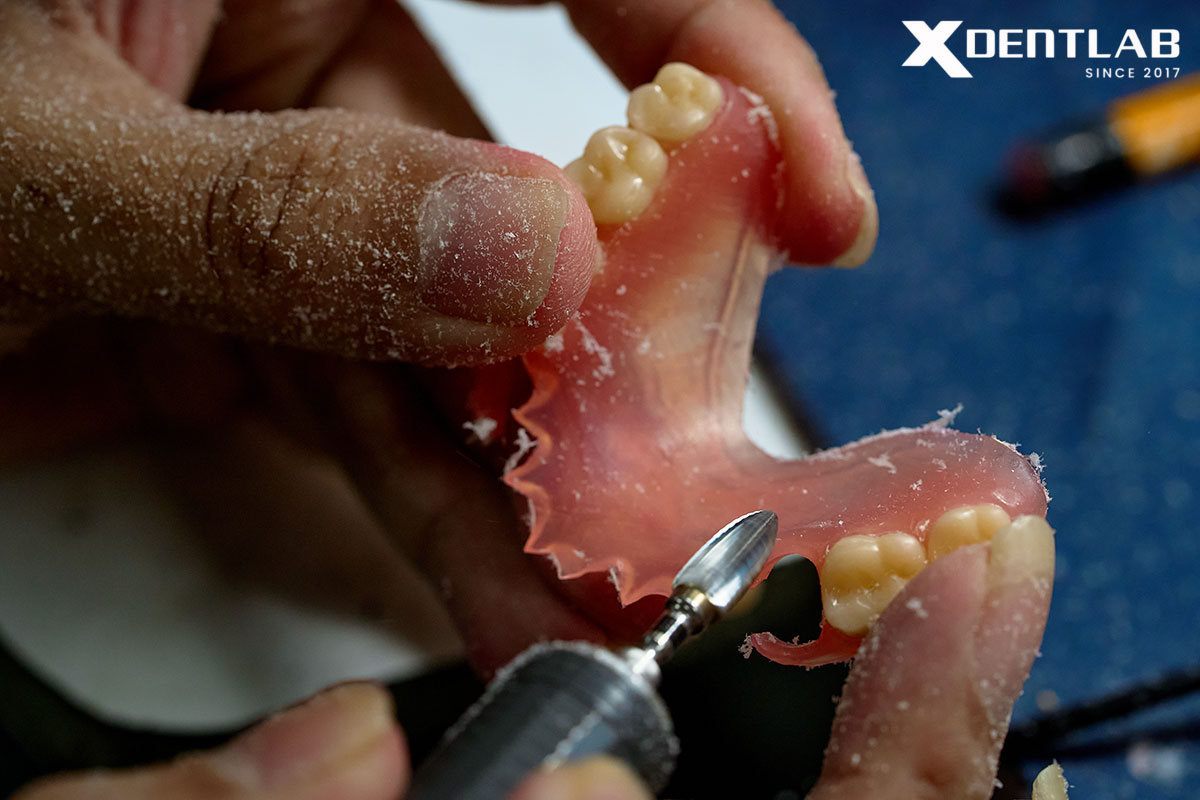
Both nylon and polyolefin are advanced materials in flexible denture fabrication, each with distinct strengths:
- Nylon: excels in durability and long-term stability
- Polyolefin: stands out in aesthetics and ease of handling
Choosing the right material not only optimizes clinical outcomes but also significantly improves patient satisfaction over time.
References
- TCS Dental. Product Catalog 2023: Dental Resins, Equipment, and Accessories.
- International Organization for Standardization. ISO 20795-1: Dentistry — Base polymers — Denture base polymers.
- American Dental Association. Guide to Dental Materials and Their Applications in Removable Prosthodontics.
- Journal of Prosthetic Dentistry. Articles on thermoplastic materials in removable prosthodontics.
- Journal of Applied Polymer Science. Research on properties of nylon (polyamide) and polyolefin materials.
About XDENT LAB:
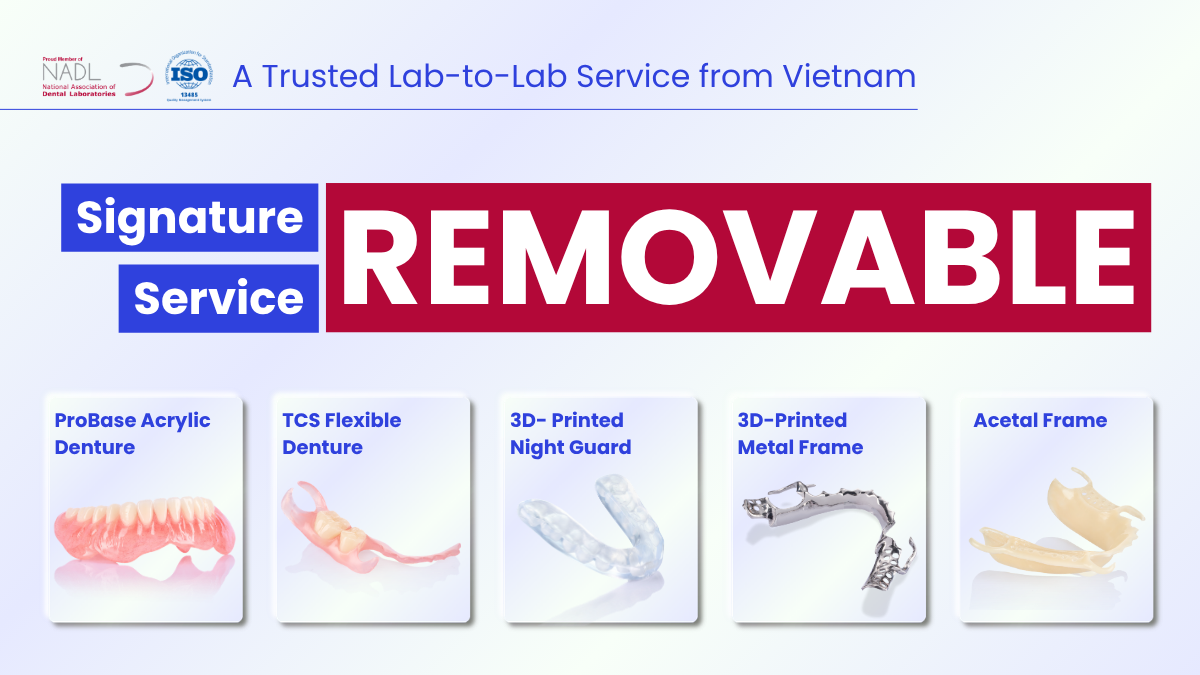
We are experts in Lab-to-Lab Full Service from Vietnam, with the signature services of Removable, meet U.S. market standards, FDA-registered, ISO 13485-certified. Founded in 2017, from local root to global reach, we scale with 2 Factories with over 100+ employees.
Our Commitments Built on “Trusted. Commitment. Quality”
- Commit to Large-Scale Manufacturing, high volume, remake rate < 1%.
- Commit to 5-Year Warranty
- Commit to Competitive Price
XDENT LAB | A Trusted Lab-to-Lab Service from Vietnam
Tags:
Flexible Denture Materials Thermoplastic Materials Nylon Thermoplastic Polyolefin ThermoplasticShare this post:
Related Posts
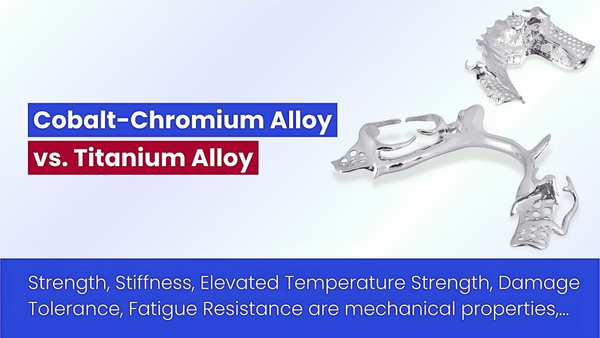
Learn the key differences between titanium and cobalt-chromium alloys used in removable partial denture frameworks, from mechanical properties to production requirements.
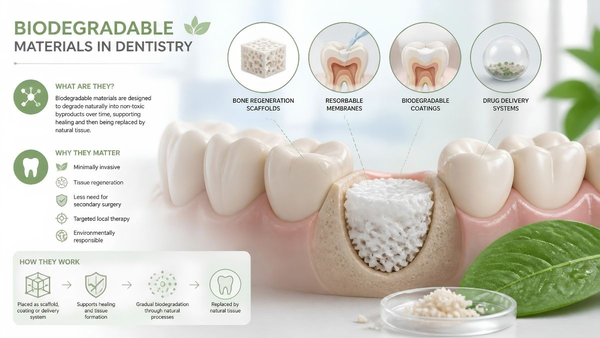
Explore biodegradable materials in dentistry, including their applications, benefits, limitations, and future potential in regenerative and sustainable dental care.
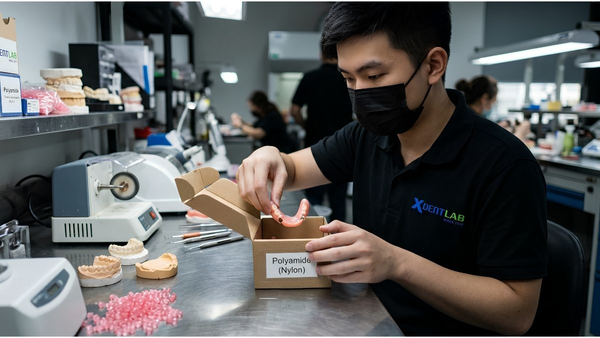
Learn how polyamide dental materials support flexible dentures and removable prosthetics through biocompatibility, aesthetics, comfort, and lightweight performance.

