
Learn how vestibular depth in dentistry affects oral anatomy, denture retention, implant planning, periodontal health, clinical assessment, and treatment decisions.

Table of contents [Show]
- What Is the Oral Vestibule?
- What Is Vestibular Depth?
- Anatomy Related to Vestibular Depth
- Clinical Significance of Vestibular Depth
- Factors That Affect Vestibular Depth
- Clinical Assessment of Vestibular Depth
- Vestibuloplasty: Surgical Management of a Shallow Vestibule
- Applications of Vestibular Depth Across Dental Specialties
- Future Directions in Managing Vestibular Depth
- Why Vestibular Depth Matters for Dental Labs and Outsourcing
- Key Takeaways
- References
The depth of the vestibule is a fundamental but often underappreciated aspect of oral anatomy that carries significant implications for prosthodontics, periodontics, oral surgery, implant dentistry, and general oral function. In simple terms, vestibular depth refers to the vertical dimension of the oral vestibule, the space between the lips or cheeks and the teeth, gingiva, and alveolar structures. Although it may seem like a small anatomical detail, it can have a major influence on denture retention, oral hygiene access, soft tissue stability, and treatment planning.
For dental practices and dental laboratories, vestibular depth is especially relevant when evaluating edentulous patients, removable prosthetic cases, pre-prosthetic surgical needs, and appliance design limitations. A shallow vestibule can create functional and restorative challenges, while an adequate vestibular depth supports better hygiene, prosthesis stability, and long-term tissue management. Below is a comprehensive overview of vestibular depth, including anatomy, measurement, clinical significance, related procedures, and its relevance across modern dentistry.
What Is the Oral Vestibule?
The oral vestibule is the slit-like space located between the lips and cheeks externally and the teeth, gingiva, and alveolar processes internally. It forms part of the oral cavity and acts as the transitional area that receives food, air, saliva movement, and soft tissue activity during speaking, chewing, and facial expression.
Boundaries of the Oral Vestibule
The vestibule is defined by the following boundaries:
- Externally: lips and cheeks.
- Internally: teeth, attached gingiva, alveolar mucosa, and alveolar ridges.
- Superiorly and inferiorly: mucobuccal or mucolabial reflections, depending on the region.
Maxillary and Mandibular Vestibules
The oral vestibule is commonly discussed in two parts:
- Maxillary vestibule, located in the upper arch.
- Mandibular vestibule, located in the lower arch.
These areas differ in depth, muscular influence, prosthetic relevance, and tissue dynamics. In clinical practice, both arches must be evaluated individually because vestibular anatomy is rarely symmetrical in every patient.
What Is Vestibular Depth?
Vestibular depth refers to the vertical distance from the mucobuccal fold or mucolabial fold to the free gingival margin, alveolar crest region, or attached gingiva reference point, depending on the measurement method and clinical objective. In most practical dental usage, it describes how deep the vestibular sulcus extends between the soft tissue reflections and the dentoalveolar structures.
Why Vestibular Depth Matters
This measurement is important because it influences:
- Access for oral hygiene.
- Soft tissue mobility.
- Denture flange extension.
- Stability of removable prostheses.
- Periodontal maintenance.
- Surgical treatment planning.
- Esthetic and functional outcomes.
Typical Vestibular Depth Ranges
Published observational data suggest average vestibular depth values are approximately:
- Maxillary arch: around 10.35 mm.
- Mandibular arch: around 8.39 mm.
Some studies also note small variations based on sex, age, and anatomical region. These figures should be used as general reference points rather than rigid standards, since actual clinical relevance depends on tissue quality, ridge anatomy, muscle attachment, and restorative needs.
Understanding vestibular depth requires attention to the surrounding soft and hard tissue structures.
Mucobuccal Fold and Mucolabial Reflection
The mucobuccal fold is the point where the alveolar mucosa reflects onto the cheek. In anterior areas, the term mucolabial fold is often used because the tissue reflects into the lip rather than the cheek.
These reflections define the outer limit of the vestibule and are critical landmarks for denture border extension, impression making, surgical planning, and periodontal assessment.
Attached Gingiva and Alveolar Mucosa
Vestibular depth is closely associated with the width of attached gingiva and the position of the alveolar mucosa.
This relationship matters because a shallow vestibule may coincide with reduced attached gingiva, high frenum or muscle attachments can reduce effective depth, and soft tissue mobility may compromise hygiene or appliance stability.
Muscular Influences
Several muscle attachments affect vestibular anatomy, especially in the lower arch. These include the mentalis, buccinator, orbicularis oris, and various labial and buccal frena.
Muscle pull can reduce the functional depth of the vestibule and contribute to prosthetic instability if flange design is not managed properly.
Clinical Significance of Vestibular Depth
Vestibular depth is not just an anatomical measurement. It has direct consequences across multiple dental disciplines.

Vestibular Depth and Gingival Health
Adequate vestibular depth supports better oral hygiene access and soft tissue health.
When the vestibule is shallow, toothbrushing may become more difficult, plaque control may worsen, tension on marginal tissue may increase, and gingival inflammation or recession may be more likely in susceptible areas.
A shallow vestibule combined with a narrow zone of attached gingiva can be particularly problematic in periodontal maintenance.
Relationship to Mucogingival Problems
Vestibular shallowing is often discussed alongside inadequate attached gingiva, high frenum attachment, mucogingival stress, and gingival recession risk. This makes vestibular assessment relevant in both diagnosis and soft tissue treatment planning.
Vestibular Depth in Prosthodontics
This is one of the most important clinical applications of vestibular depth.
For removable prostheses, adequate vestibular depth allows better flange extension, improved border seal, greater denture stability, and enhanced resistance to displacement during function.
When the vestibule is shallow, denture borders may need to be shortened, which can reduce retention and stability.
Edentulous patients often experience alveolar ridge resorption, reduced sulcus depth, altered muscle attachment relationships, and increased prosthetic difficulty. This is especially relevant in long-term denture wearers, where progressive bone loss can make the vestibule functionally shallower over time.
Implications for Dental Laboratories
For dental labs, vestibular anatomy affects flange design, border contour, denture extension limits, functional impression accuracy, and overall prosthesis performance.
A well-made denture cannot fully overcome poor anatomical support, but it can be designed to respect it intelligently.
Vestibular Depth in Implant Dentistry
Vestibular depth also plays a role in implant-related treatment planning and maintenance.
Adequate vestibular depth may contribute to better hygiene access around implant restorations, improved peri-implant soft tissue management, greater patient comfort during cleaning, and more predictable prosthetic contouring in full-arch cases.
Shallow vestibules may complicate cleaning around prostheses, lip and cheek movement near restorations, and tissue tension and prosthetic emergence design.
Vestibular Depth in Orthodontics and Oral Function
Adequate vestibular space can support easier appliance placement, improved tolerance of removable devices, and better management of soft tissue interference.
The vestibule also contributes to lip mobility, facial expression, speech articulation, and food control during mastication. When vestibular anatomy is compromised, patients may experience discomfort or difficulty with appliance use and oral function.
Factors That Affect Vestibular Depth
Vestibular depth changes over time and may be influenced by local anatomy, disease, aging, and treatment history.
Alveolar Bone Resorption
This is one of the most important causes of reduced vestibular depth, especially in edentulous patients.
As alveolar bone resorbs, ridge height decreases, muscle and frenum attachments appear relatively closer to the crest, functional sulcus depth is reduced, and prosthetic retention becomes more difficult.
Periodontal Disease
Chronic periodontal disease may contribute to tissue breakdown, recession, attachment loss, and mucogingival defects. These changes can affect vestibular anatomy and complicate plaque control.
Aging
Age-related changes in both soft tissue and bone can alter the vestibule. Common age-related influences include reduced tissue elasticity, bone remodeling or resorption, changes in muscle tone, and increased prosthetic dependence.
Aging does not automatically create a shallow vestibule, but it often contributes to the conditions that do.
Trauma, Surgery, and Scarring
Previous surgical procedures, trauma, or scar formation may reduce vestibular depth by altering tissue mobility or anatomical reflection. This is particularly relevant after oral tumor surgery, traumatic injury, repeated denture irritation, or inadequately planned soft tissue procedures.
Clinical Assessment of Vestibular Depth
Accurate vestibular evaluation is essential for diagnosis and treatment planning.
Visual and Manual Examination
During routine clinical examination, the dentist assesses vestibular depth, tissue mobility, frenum pull, zone of attached gingiva, and sulcus shape and symmetry. This evaluation should be dynamic, not just visual, because muscle activity can influence functional depth.
Periodontal Probe Measurement
A periodontal probe may be used to measure the vertical distance from the mucobuccal fold to a selected gingival or ridge reference point. Measurements can be taken at multiple sites to assess regional variation.
Digital Imaging and CBCT
In more complex cases, advanced imaging such as CBCT may assist treatment planning, especially where vestibular anatomy is being considered alongside ridge volume, implant position, pre-prosthetic surgery, and full-arch rehabilitation.
Vestibuloplasty: Surgical Management of a Shallow Vestibule
When vestibular depth is insufficient for function, hygiene, or prosthetic success, vestibuloplasty may be indicated.
What Is Vestibuloplasty?
Vestibuloplasty is a pre-prosthetic or mucogingival surgical procedure designed to deepen the vestibule by repositioning soft tissue and, in some cases, increasing the zone of attached mucosa or gingiva.
Common Indications
Vestibuloplasty may be considered in cases involving poor denture retention due to shallow vestibule, inadequate attached gingiva, high muscle or frenum attachment, pre-implant or pre-prosthetic tissue preparation, and difficulty maintaining hygiene around prostheses.
Common Techniques
Several techniques are described in the literature, including submucosal vestibuloplasty, secondary epithelialization methods, graft-assisted vestibuloplasty, and mucosal repositioning procedures.
The technique chosen depends on the anatomy, prosthetic goals, tissue condition, and surgeon preference.
Expected Benefits
Successful vestibuloplasty may improve denture extension and retention, hygiene access, soft tissue stability, patient comfort, and long-term function in removable and implant-related cases.
Applications of Vestibular Depth Across Dental Specialties
Vestibular depth has interdisciplinary relevance and should not be viewed as a concern limited to oral surgery alone.
Prosthodontics
It influences denture design and retention, affects flange extension and border molding, and impacts removable appliance function.
Periodontics
It relates to attached gingiva and mucogingival health, affects hygiene access and inflammation control, and can be part of soft tissue management planning.
Oral Surgery
It guides vestibuloplasty decisions, supports pre-prosthetic preparation, and interacts with scar management and tissue repositioning.
Implant Dentistry
It affects cleansability and prosthetic contour, supports peri-implant tissue maintenance, and matters in full-arch and tissue-supported designs.
Orthodontics
It can influence removable appliance comfort and stability and matters in soft tissue interaction with treatment components.
Future Directions in Managing Vestibular Depth
As dentistry becomes more digital and tissue-focused, vestibular assessment and management are also evolving.
Advanced Imaging and Digital Planning
More precise evaluation using CBCT, digital scanning, virtual prosthetic planning, and combined hard and soft tissue analysis can improve both diagnosis and treatment design.
Minimally Invasive Surgical Methods
Modern soft tissue techniques aim to reduce morbidity, improve healing, preserve function, and enhance predictability.
Customized Prosthetics
Digital denture design and 3D manufacturing may help create prostheses that better adapt to individual vestibular anatomy, especially in anatomically compromised cases.
Preventive and Early Intervention Approaches
Earlier identification of mucogingival and edentulous anatomical risks may support better long-term maintenance and reduce the need for later corrective surgery.
Why Vestibular Depth Matters for Dental Labs and Outsourcing
For dental laboratories, especially those involved in removable prosthetics and implant-supported restorations, vestibular depth is not merely a clinical footnote. It directly influences how a prosthesis is designed, contoured, extended, and expected to function.
Relevance to Removable and Full-Arch Prosthetics
Lab technicians must consider functional flange extension, border thickness, muscle interaction, retention limitations, and anatomy-specific adaptation.
Relevance to XDENT LAB
For XDENT LAB, expertise in removable and implant workflows makes this anatomical topic highly relevant. A modern Vietnam dental lab serving international partners must understand how vestibular anatomy affects denture stability, full-arch prosthetic contour, hygiene-friendly design, long-term patient comfort, and pre-prosthetic planning communication.
In a lab-to-lab environment, strong anatomical understanding helps convert impressions, scans, and prescriptions into prostheses that work in the real mouth, not just on a model.
Key Takeaways
The depth of the vestibule is a clinically important anatomical factor that affects oral hygiene access, gingival and mucogingival health, denture retention and stability, implant maintenance, orthodontic appliance tolerance, and surgical and prosthetic treatment planning.
A shallow vestibule can create significant challenges, especially in edentulous, removable prosthetic, and pre-prosthetic surgical cases. Accurate assessment, proper case planning, and when necessary, surgical intervention such as vestibuloplasty, can improve both function and long-term outcomes.
The central takeaway is clear: vestibular depth is a small anatomical detail with large restorative consequences, and it deserves careful attention from clinicians, surgeons, and dental laboratories alike.
References
- Estimation of vestibular depth: An observational cross-sectional study - PMC
- The Oral Cavity - TeachMe Anatomy
- What Is the Vestibule of Mouth? Anatomy & Dental - Liv Hospital
- Vestibuloplasty Techniques: Comparative Review - Medi Study Go
About XDENT LAB:
We are experts in Lab-to-Lab Full Service from Vietnam, with the signature services of Removable, meet U.S. market standards, FDA-registered, ISO 13485-certified. Founded in 2017, from local root to global reach, we scale with 2 Factories with over 100+ employees.
Our Commitments Built on “Trusted. Commitment. Quality”
- Commit to Large-Scale Manufacturing, high volume, remake rate < 1%.
- Commit to 5-Year Warranty
- Commit to Competitive Price
XDENT LAB | A Trusted Lab-to-Lab Service from Vietnam
Share this post:
Related Posts
Learn the anatomy and physiology of the floor of the mouth, including muscles, glands, functions, clinical significance, and its role in dental treatment planning.
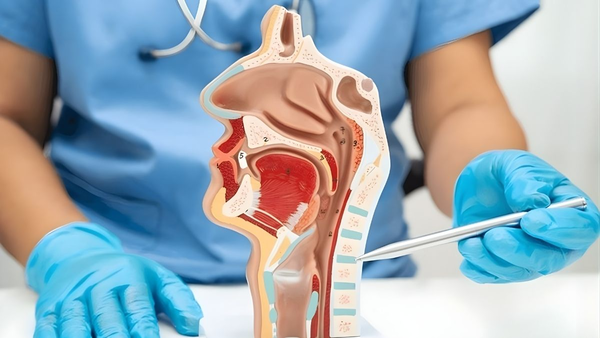
Explore oral cavity anatomy and function, including key structures, roles in speech and digestion, clinical relevance, and why it matters for dental professionals.

