
Learn the differences between Clasp Retained and Attachment Retained in cast partial dentures, including retention mechanisms and clinical applications.
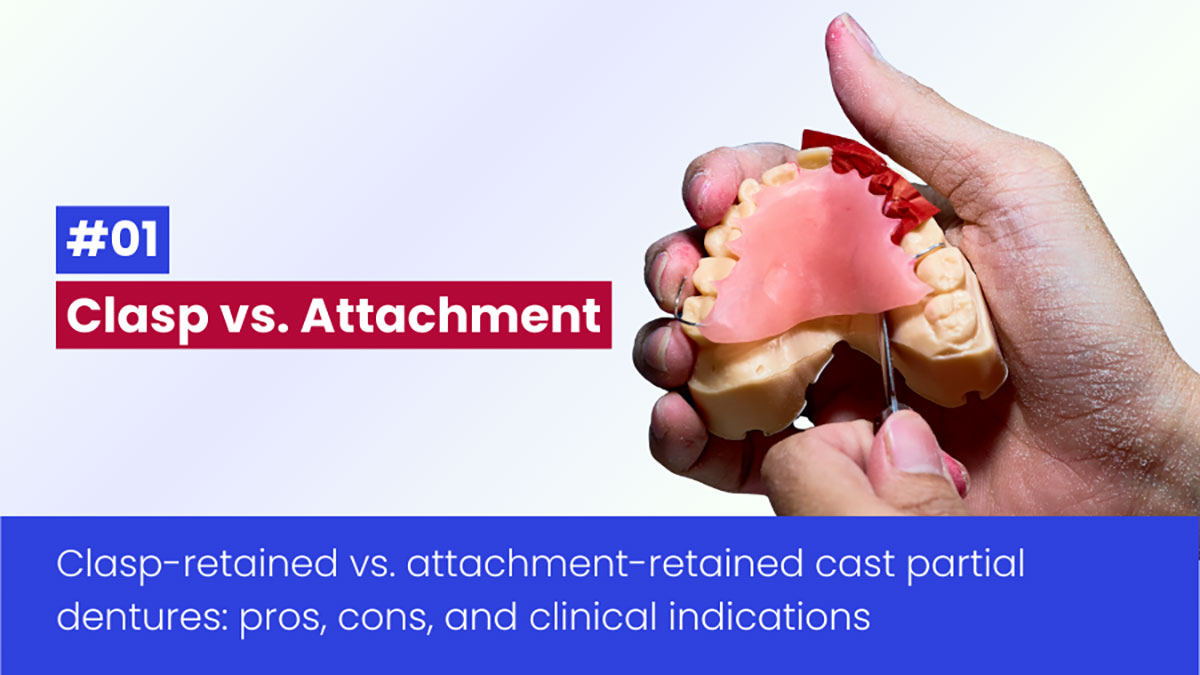
Table of contents [Show]
In cast partial denture (RPD) prosthodontics, the choice of retention system plays a crucial role in determining durability, aesthetics, and chewing efficiency. Currently, the two most common systems are Clasp Retained and Attachment Retained. This article explains the differences, advantages, disadvantages, and clinical indications of these two retention methods.
1. What Are Cast Partial Dentures?
Cast Partial Dentures (RPDs) are removable partial dentures with a metal framework that includes:
Precisely cast metal framework
Acrylic resin base
Artificial teeth
Retention system: Clasps or Attachments
Main purposes of RPDs:
Restore chewing function
Improve aesthetics
Preserve abutment teeth
Distribute occlusal forces evenly
2. What Is Clasp Retained?
2.1 Definition
Clasp Retained dentures use metal clasps that engage the abutment teeth to hold the denture in place.
These clasps usually embrace the cervical or proximal area of the tooth.
2.2 Mechanism of Retention
Retention is achieved through metal flexibility
Clasps engage tooth undercuts
Mechanical resistance prevents dislodgement
2.3 Advantages of Clasp Retained
Low cost
Simple design
Easy fabrication
Minimal tooth reduction
Easy repair
2.4 Disadvantages of Clasp Retained
Poor aesthetics (visible metal clasps)
Plaque accumulation
Lower chewing efficiency
Limited lifespan (5–6 years)
Lower patient compliance
2.5 Indications
Clasp Retained dentures are suitable when:
Patient has limited budget
Aesthetic demands are low
Abutment teeth are healthy
Temporary restoration is needed
3.1 Definition
Attachment Retained dentures use precision or semi-precision attachments consisting of:
Patrix (male component)
Matrix (female component)
These components interlock to provide secure retention
3.2 Mechanism of Retention
Attachments work based on:
Friction
Binding
Internal spring loading
Active retention
These mechanisms ensure high stability.
By Location
Intracoronal
Extracoronal
By Resiliency
Rigid
Resilient
By Design
Stud attachments
Bar attachments
ERA
O-ring
Dalbo
CEKA
Superior aesthetics (no visible clasps)
Excellent chewing efficiency
Optimal force distribution
Reduced stress on abutment teeth
Long service life (15+ years)
High patient satisfaction
Higher cost
Complex procedures
Extensive tooth preparation
Requires skilled clinicians and technicians
Periodic maintenance required
3.6 Contraindications
Attachments are not recommended when:
Poor periodontal support
Unfavorable crown-to-root ratio
Poor oral hygiene
Insufficient vertical space
Compromised endodontic treatment
| Criteria | Clasp Retained | Attachment Retained |
| Aesthetics | Low | High |
| Cost | Low | High |
| Durability | 5–6 years | 15+ years |
| Chewing Efficiency | Moderate | Excellent |
| Stability | Moderate | High |
| Tooth Preservation | Good | Moderate |
| Patient Compliance | Low | High |
5. Selecting the Appropriate Retention System
The choice depends on:
Abutment Tooth Factors
Number
Location
Periodontal status
Pulp vitality
Available Space
Minimum vertical height: ≥ 4 mm
Buccolingual width
Patient Expectations
Aesthetic demands
Budget
Treatment duration
Clinician and Laboratory Expertise
Attachment Retained is recommended when:
Anterior region restoration
High aesthetic requirements
Long-term rehabilitation
Implant-supported cases
Distal extension situations
7. When Should Clasp Retained Be Chosen?
Clasp Retained is suitable when:
Temporary prostheses
Limited financial resources
Strong abutment teeth
Low aesthetic concern
8. Conclusion
Both Clasp Retained and Attachment Retained systems play important roles in Cast Partial Denture prosthodontics.
Clasp Retained: economical, simple, suitable for basic restorations
Attachment Retained: aesthetic, durable, functionally superior
Selecting the appropriate retention system improves prosthesis longevity and enhances patient quality of life.
About XDENT LAB:
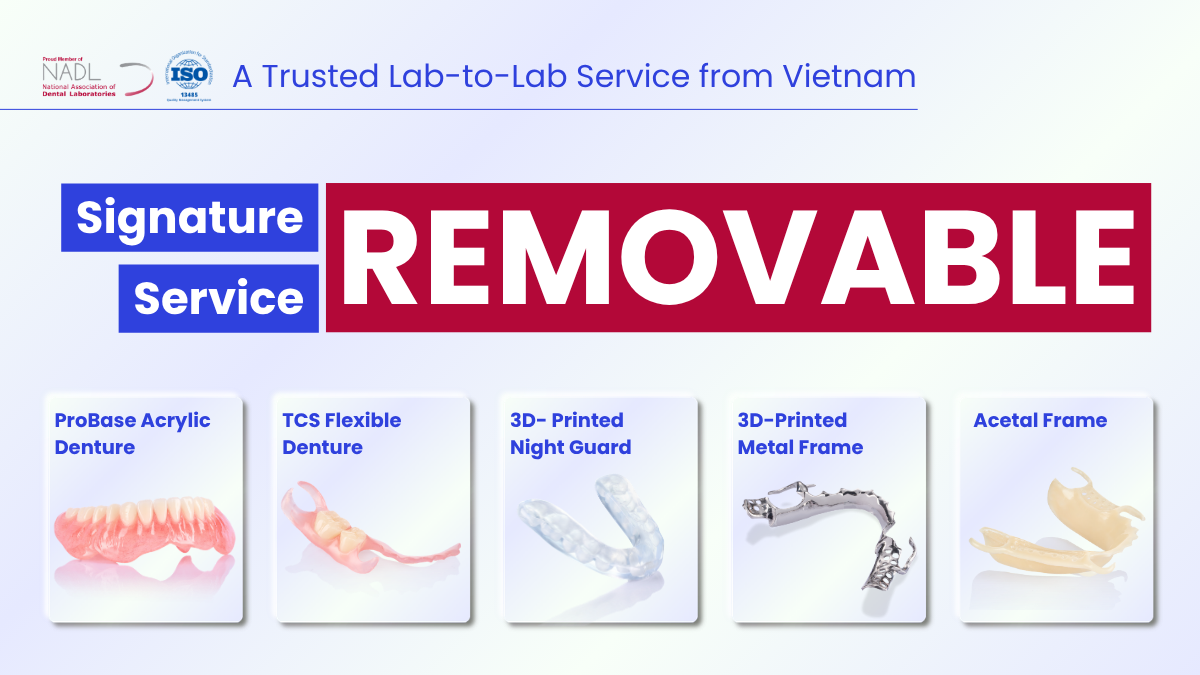
We are experts in Lab-to-Lab Full Service from Vietnam, with the signature services of Removable, meet U.S. market standards, FDA-registered, ISO 13485-certified. Founded in 2017, from local root to global reach, we scale with 2 Factories with over 100+ employees.
Our Commitments Built on “Trusted. Commitment. Quality”
- Commit to Large-Scale Manufacturing, high volume, remake rate < 1%.
- Commit to 5-Year Warranty
- Commit to Competitive Price
XDENT LAB | A Trusted Lab-to-Lab Service from Vietnam
Share this post:
Related Posts
See 5 completed Acrylic Partial Denture cases (Case 6 ~ Case 10) from XDENT LAB, a Vietnamese dental laboratory that is FDA registered and ISO 13485 certified. A trusted overseas outsourcing dental la...
Discover how critical laboratory checks reduce remakes and improve restoration quality in dental lab outsourcing for fixed and implant cases.
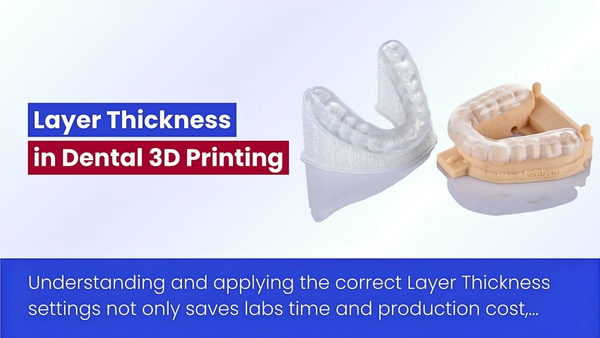
Understanding and applying the correct Layer Thickness settings not only saves labs time and production cost, but also ensures stable output quality for each specific type of dental product.

