
Compare fluoride gels and foams in terms of effectiveness, safety, and patient preference. XDENT LAB ensures reliable lab-to-lab services for dental professionals.
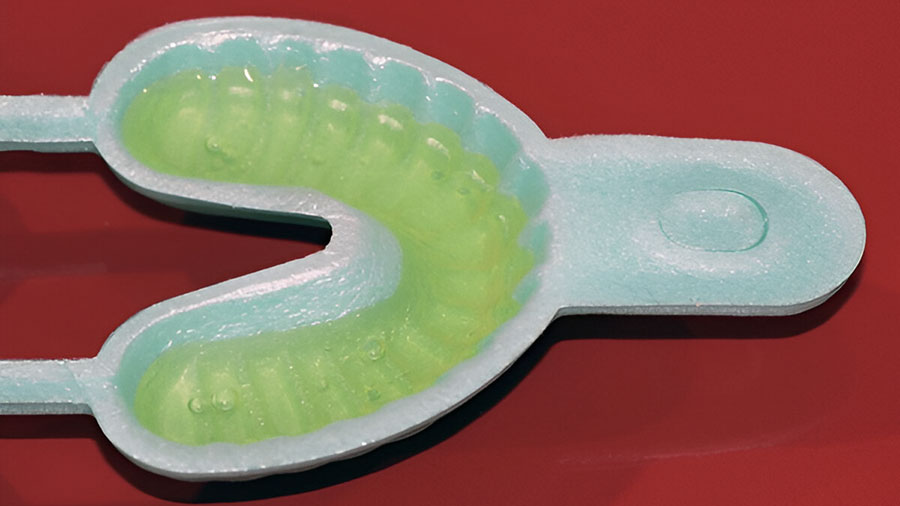
Table of contents [Show]
Introduction to Fluoride Gels and Foams
Professionally applied fluoride gels and foams represent important modalities in preventive dentistry, offering intermediate to high fluoride concentrations for caries prevention. These products are applied by dental professionals during clinical visits and provide intensive fluoride exposure to tooth surfaces. Both acidulated phosphate fluoride (APF) gel and fluoride foam are effective and can be recommended for caries prevention in primary and permanent teeth.
Types and Formulations
Acidulated Phosphate Fluoride (APF) Gels
APF gels typically contain:
1.23% fluoride ion (12,300 ppm).
pH of 3.0-4.0 for enhanced fluoride uptake.
Phosphoric acid to maintain acidity.
Thickening agents for tray retention.
Various flavoring agents.
Neutral Sodium Fluoride Gels
Neutral formulations include:
2% sodium fluoride (9,050 ppm fluoride).
pH of 7.0 for patients with aesthetic restorations.
No risk of etching ceramic or composite materials.
Suitable for patients with mucositis or sensitivity.
Fluoride Foams
Fluoride foams offer unique characteristics:
Same fluoride concentrations as gels (APF or neutral).
Reduced volume required (one-quarter of gel amount).
Better patient acceptance due to less gagging.
Equal effectiveness with less fluoride exposure.
Mechanism of Action
Fluoride Uptake and Retention
The effectiveness of gels and foams depends on:
Formation of calcium fluoride deposits on enamel.
Penetration into incipient lesions.
Creation of fluoride reservoirs in plaque and saliva.
Enhanced remineralization of demineralized areas.
Comparative Fluoride Retention
Studies comparing oral fluoride retention following APF foam and gel applications show:
Similar fluoride uptake patterns between foam and gel.
Foam applications result in lower total fluoride ingestion.
Comparable salivary fluoride levels post-application.
Equivalent enamel fluoride content after treatment.
Clinical Effectiveness

Caries Prevention Outcomes
Research demonstrates significant caries reduction:
APF foam reduces caries in primary teeth with bi-annual applications.
Gel applications show 20-30% caries reduction in permanent teeth.
Both formulations effective in high-risk populations.
Long-term benefits documented in clinical trials.
Comparative Effectiveness Studies
A two-year double-blind randomized clinical trial found:
Alternative APF gel application techniques (toothbrush method) maintained dental health over 24 months.
Traditional tray applications showed similar effectiveness.
Both methods provided significant caries prevention.
Patient preference varied between application methods.
Application Protocols
Standard Tray Method
Traditional application involves:
Prophylaxis or tooth cleaning (optional).
Thorough drying of teeth.
Loading appropriate amount in fitted trays.
Four-minute application time.
Expectoration and avoiding rinsing for 30 minutes.
Foam-Specific Considerations
Foam applications require:
Only 25% of gel volume needed.
Same four-minute application time.
Reduced risk of ingestion.
Better tolerance in gaggers and young children.
Alternative Application Methods
Recent studies explore:
Brush-on techniques for APF gel.
Paint-on applications for specific teeth.
Modified tray designs for better fit.
Reduced application times in specific populations.
Safety Considerations
Fluoride Ingestion Risks
Important safety factors include:
Gel applications result in higher fluoride ingestion than foam.
Proper suction reduces systemic exposure.
Sitting position minimizes swallowing.
Post-treatment instructions critical for safety.
Contraindications
Fluoride gels and foams should be avoided in:
Children under 6 years (for some formulations).
Patients unable to expectorate properly.
Those with severe nausea or gagging reflexes.
Individuals with fluoride allergies.
Advantages and Disadvantages
Benefits of Fluoride Gels
Fluoride gels offer:
Established long-term efficacy data.
High fluoride concentration for maximum effect.
Variety of flavors available.
Cost-effective for professional application.
Benefits of Fluoride Foams
Fluoride foams provide:
Reduced amount needed (economic advantage).
Lower ingestion risk.
Better patient acceptance.
Equivalent effectiveness to gels.
Less waste generation.
Limitations
Both gels and foams have limitations:
Require professional application.
Time-consuming (4-minute application).
Potential for adverse reactions in sensitive patients.
Need for patient cooperation.
Not suitable for very young children.
Cost-Effectiveness Analysis
Economic Benefits
Professional fluoride applications demonstrate:
Favorable cost-benefit ratios in preventing cavities.
Foam applications more economical due to reduced volume.
Savings in restorative treatment costs.
Particularly cost-effective in high-risk groups.
Practice Implementation
Successful integration requires:
Staff training on proper techniques.
Appropriate equipment and supplies.
Patient education materials.
Systematic recall systems.
Conclusion
Fluoride gels and foams remain valuable tools in professional caries prevention, offering flexibility in application methods and proven effectiveness. While both formulations demonstrate similar clinical outcomes, foam applications provide advantages in terms of reduced fluoride ingestion, better patient acceptance, and economic efficiency. The choice between gel and foam, as well as between acidulated and neutral formulations, should be based on individual patient factors including age, caries risk, restorative status, and ability to cooperate with treatment. Continued research supports their use as part of comprehensive preventive programs, particularly for moderate to high-risk patients. As the field advances, innovations in formulation and delivery promise to enhance the effectiveness and acceptability of these important preventive modalities.
About XDENT LAB:
We are experts in Lab-to-Lab Full Service from Vietnam, with the signature services of Removable, meet U.S. market standards, FDA-registered, ISO 13485-certified. Founded in 2017, from local root to global reach, we scale with 2 Factories with over 100+ employees.
Our Commitments Built on “Trusted. Commitment. Quality”
- Commit to Large-Scale Manufacturing, high volume, remake rate < 1%.
- Commit to 5-Year Warranty
- Commit to Competitive Price
XDENT LAB | A Trusted Lab-to-Lab Service from Vietnam
Share this post:
Related Posts
Learn the key differences between titanium and cobalt-chromium alloys used in removable partial denture frameworks, from mechanical properties to production requirements.
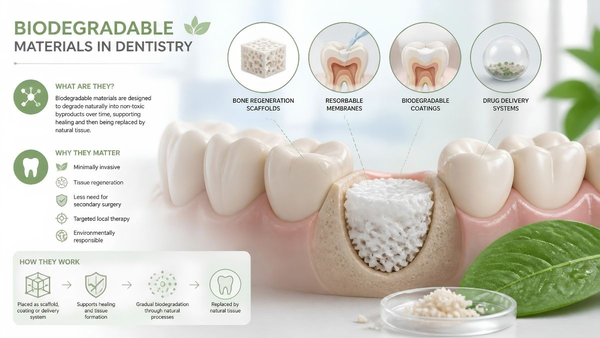
Explore biodegradable materials in dentistry, including their applications, benefits, limitations, and future potential in regenerative and sustainable dental care.
Learn how polyamide dental materials support flexible dentures and removable prosthetics through biocompatibility, aesthetics, comfort, and lightweight performance.

