
Learn how Roach clasp fits into suprabulge and infrabulge classification in removable partial dentures, including design, types, indications, and clinical applications.
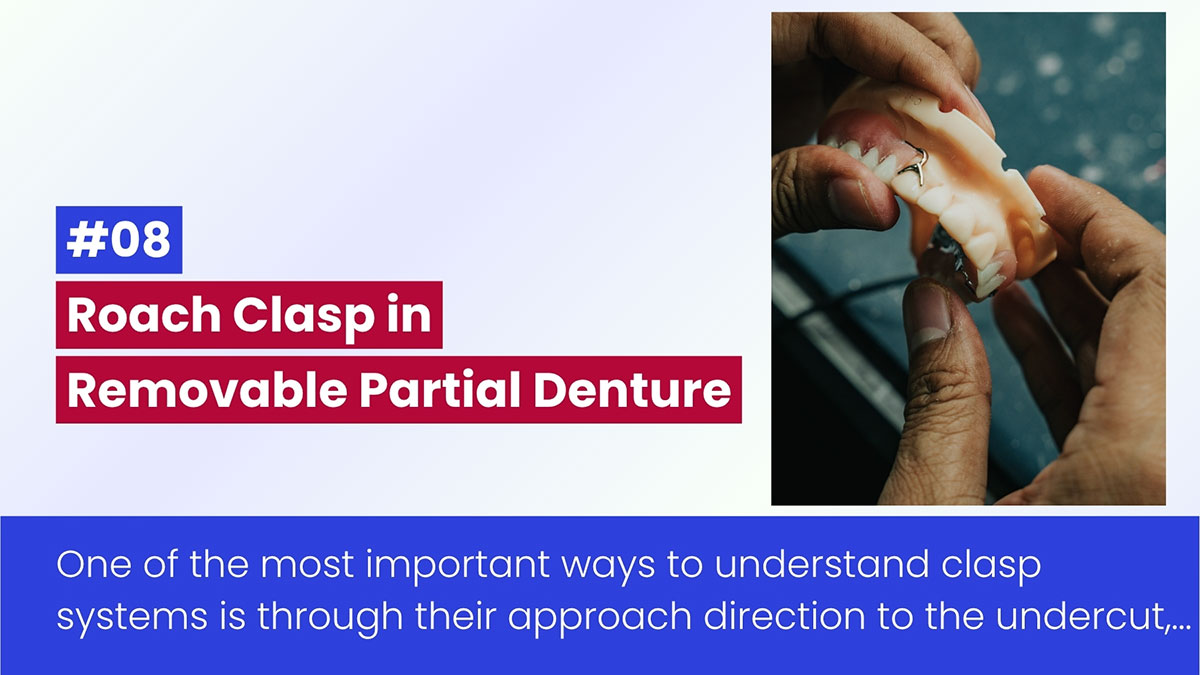
Table of contents [Show]
- Introduction
- Classification of Clasps in RPD
- What Is a Roach Clasp?
- Types of Roach Clasps (Infrabulge Clasps)
- Biomechanical Advantages of Roach Clasp
- Limitations of Roach Clasp
- Contraindications
- Roach Clasp vs Circumferential Clasp
- Clinical Decision-Making
- Roach Clasp in the Digital Lab Workflow
- When to Choose a Roach Clasp
- Conclusion
- References
Introduction
In removable partial denture (RPD) design, clasp selection is not just a mechanical decision, it is a biomechanical strategy that directly affects retention, stress distribution, esthetics, and long-term prognosis.
One of the most important ways to understand clasp systems is through their approach direction to the undercut, which divides clasps into two main categories:
Suprabulge clasps (approach from occlusal)
Infrabulge clasps (approach from gingival)
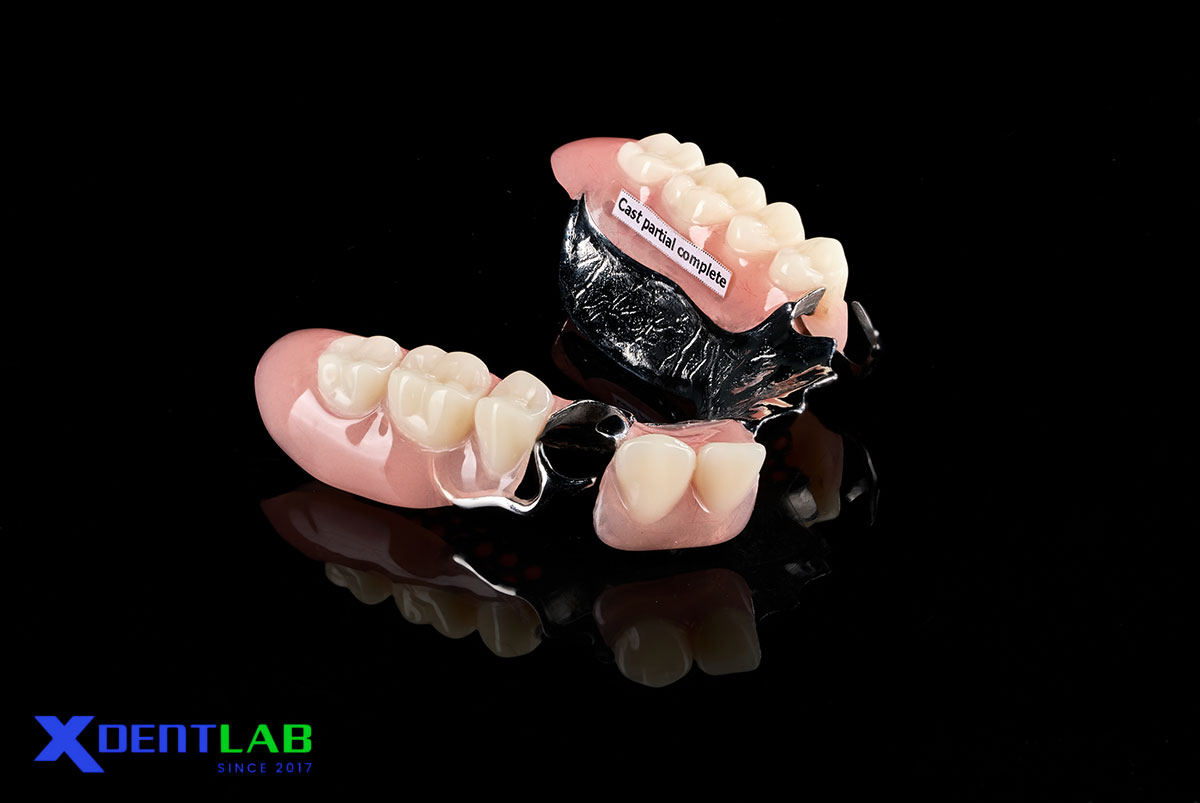
Within this framework, the Roach clasp represents the primary infrabulge clasp system, widely used in modern RPD design for its esthetic and stress-releasing properties.
Classification of Clasps in RPD
1. Suprabulge Clasp (Occlusal Approach)
Suprabulge clasps approach the undercut from above the survey line, typically originating from the occlusal surface.
Common type:
Key characteristics:
Rigid design
Greater tooth coverage
High stability
Less esthetic due to visible metal
Clinical use:
Tooth-supported cases (Kennedy Class III)
Situations requiring strong bracing and support
2. Infrabulge Clasp (Gingival Approach) = Roach Clasp
Infrabulge clasps approach the undercut from below the survey line, originating from the denture base and moving upward toward the tooth.
This entire category is commonly referred to as the Roach clasp system.
Key characteristics:
Originates from denture base
Approaches undercut from gingival direction
Minimal tooth coverage
Higher flexibility
Improved esthetics
What Is a Roach Clasp?
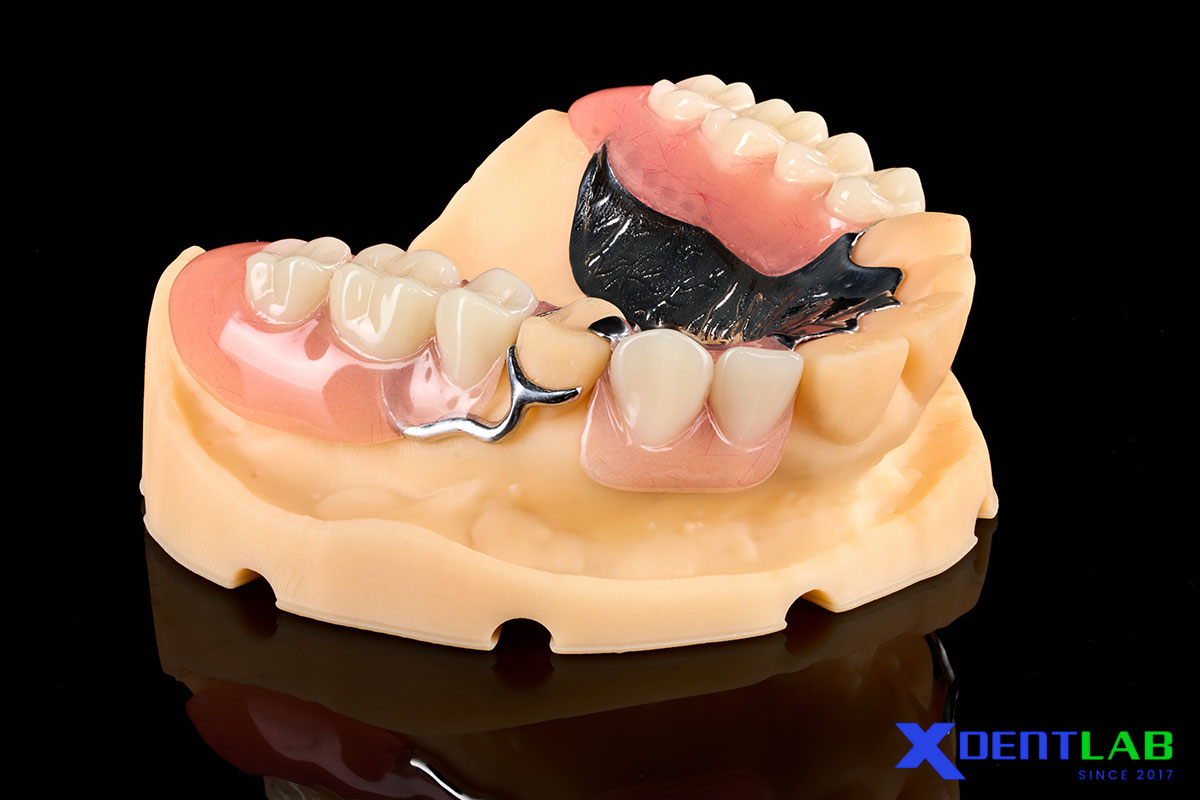
The Roach clasp is not a single clasp design but a group of infrabulge clasps that engage the undercut from below.
It is designed to:
Reduce visible metal components
Improve flexibility during function
Minimize stress on abutment teeth
Because of these properties, Roach clasps are widely used in distal extension cases and esthetic zones.
Types of Roach Clasps (Infrabulge Clasps)
Within the Roach clasp system, several variations are used depending on clinical conditions:
The most commonly used infrabulge clasp. It has a straight vertical approach and engages the undercut directly.
Indications:
Distal extension cases
High esthetic demand
Favorable soft tissue anatomy
Features a horizontal extension at the terminal end, increasing retention.
Indications:
Cases requiring additional retention
Favorable undercut location
Only one side of the T is present, reducing tooth contact and improving esthetics.
Indications:
Limited space
Esthetic areas
Designed with a Y-shaped terminal to adapt to specific undercut positions.
Indications:
Complex or unusual undercut locations
Biomechanical Advantages of Roach Clasp
1. Stress Distribution
Roach clasps function as stress-releasing clasps, especially important in distal extension cases.
They allow controlled flexing during insertion and function, reducing torque on abutment teeth.
2. Improved Esthetics
Because the clasp approaches from below, less metal is visible from the facial surface.
This makes it ideal for anterior and premolar regions.
3. Conservative Tooth Contact
Roach clasps cover less tooth structure compared to circumferential clasps, helping preserve enamel and improve hygiene.
4. Greater Flexibility
The longer clasp arm increases elasticity, allowing better adaptation under functional forces.
Limitations of Roach Clasp
Despite its advantages, the Roach clasp is not suitable for all cases.
Key limitations include:
Technique-sensitive design
Risk of soft tissue impingement
Food accumulation near gingival approach area
Requires adequate vestibular depth
Contraindications
Roach clasps should be avoided in:
Shallow vestibule
High frenum attachment
Severe soft tissue undercuts
Poor oral hygiene conditions
In such cases, suprabulge clasps may be a safer alternative.
Roach Clasp vs Circumferential Clasp
Understanding the difference between infrabulge and suprabulge clasps is essential for proper treatment planning.
Roach Clasp (Infrabulge):
Gingival approach
More esthetic
More flexible
Less tooth coverage
Ideal for distal extension
Circumferential Clasp (Suprabulge):
Occlusal approach
More rigid
More visible
Greater tooth coverage
Ideal for tooth-supported cases
Clinical Decision-Making
Choosing between suprabulge and infrabulge clasps depends on:
Kennedy classification
Esthetic requirements
Undercut location
Soft tissue anatomy
Functional load distribution
A well-designed RPD often combines both clasp types to optimize performance.
Roach Clasp in the Digital Lab Workflow
In modern dental labs, especially those working with digital workflows, Roach clasp design follows a structured process:
Digital or physical surveying
Undercut identification
Clasp design (CAD or manual)
Wax-up or digital modeling
Casting or milling
Finishing and polishing
Accurate design and execution are critical to ensure proper fit, retention, and patient comfort.
When to Choose a Roach Clasp
Roach clasp is the preferred choice when:
Esthetics is a priority
Case involves distal extension (Kennedy Class I or II)
Stress control is required
Undercut is located on the facial surface
It should be avoided when anatomical conditions do not support a gingival approach.
Conclusion
The Roach clasp system represents the core of infrabulge clasp design in removable partial dentures. When understood within the broader classification of clasp systems, suprabulge versus infrabulge, it becomes clear that the Roach clasp is not just a single design but a strategic approach to achieving better esthetics and biomechanics.
By selecting the appropriate clasp type based on clinical conditions, dental professionals and laboratories can significantly improve the performance, longevity, and patient satisfaction of RPD prostheses.
References
McCracken, W. L.
McCracken’s Removable Partial Prosthodontics. 13th Edition. Elsevier.Stewart, K. L., Rudd, K. D., Kuebker, W. A.
Clinical Removable Partial Prosthodontics. Quintessence Publishing.Phoenix, R. D., Cagna, D. R., DeFreest, C. F.
Stewart’s Clinical Removable Partial Prosthodontics. Quintessence Publishing.Carr, A. B., Brown, D. T.
McCracken’s Removable Partial Prosthodontics. 12th Edition. Mosby Elsevier.Jacobson, T. E., Krol, A. J.
A Contemporary Review of the Factors Involved in Complete Denture Retention, Stability, and Support. Journal of Prosthetic Dentistry.
About XDENT LAB:
We are experts in Lab-to-Lab Full Service from Vietnam, with the signature services of Removable, meet U.S. market standards, FDA-registered, ISO 13485-certified. Founded in 2017, from local root to global reach, we scale with 2 Factories with over 100+ employees.
Our Commitments Built on “Trusted. Commitment. Quality”
- Commit to Large-Scale Manufacturing, high volume, remake rate < 1%.
- Commit to 5-Year Warranty
- Commit to Competitive Price
XDENT LAB | A Trusted Lab-to-Lab Service from Vietnam
Share this post:
Related Posts
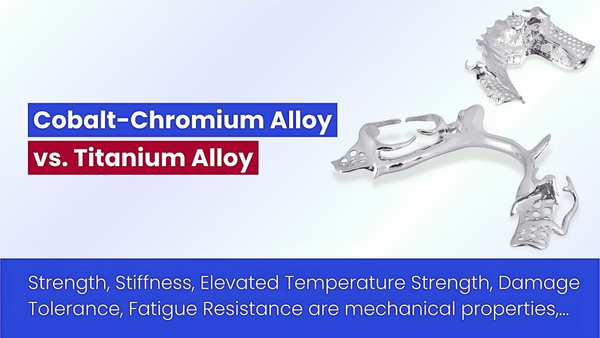
Learn the key differences between titanium and cobalt-chromium alloys used in removable partial denture frameworks, from mechanical properties to production requirements.
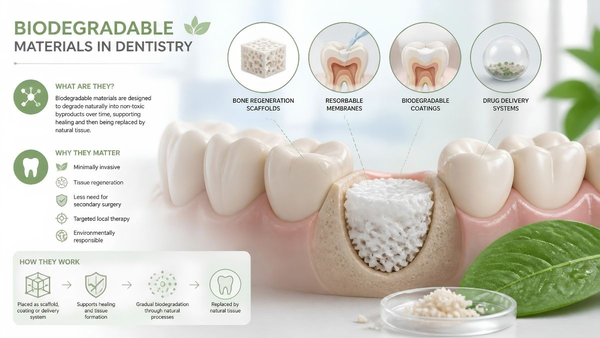
Explore biodegradable materials in dentistry, including their applications, benefits, limitations, and future potential in regenerative and sustainable dental care.
Learn how polyamide dental materials support flexible dentures and removable prosthetics through biocompatibility, aesthetics, comfort, and lightweight performance.

