
Learn about flexible clasp in removable partial dentures, including materials, design, advantages, limitations, and clinical applications for esthetic and comfortable RPD solutions.
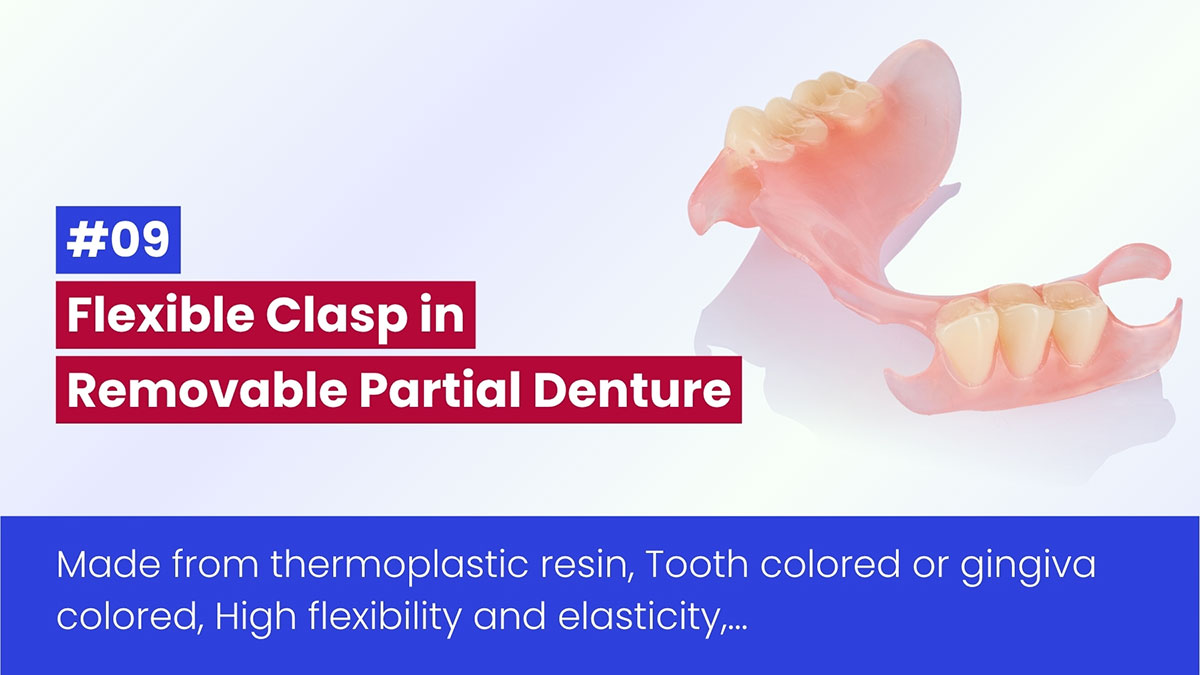
Table of contents [Show]
- Introduction
- What Is a Flexible Clasp
- Materials Used in Flexible Clasps
- Design Characteristics
- Indications for Flexible Clasps
- Advantages of Flexible Clasps
- Limitations of Flexible Clasps
- Contraindications
- Flexible Clasp vs Metal Clasp
- Clinical Considerations
- Flexible Clasp in Digital and Laboratory Workflow
- When to Choose a Flexible Clasp
- Conclusion
Introduction
In removable partial denture design, clasp selection plays a key role in achieving retention, patient comfort, and long term success. While traditional metal clasps remain widely used, flexible clasp systems have gained popularity due to their esthetic and patient friendly properties.
Flexible clasps are commonly associated with thermoplastic materials and are often used in cases where visibility of metal needs to be minimized.
This article provides a comprehensive overview of flexible clasps in removable partial dentures, including their design, materials, indications, advantages, limitations, and clinical considerations.
What Is a Flexible Clasp
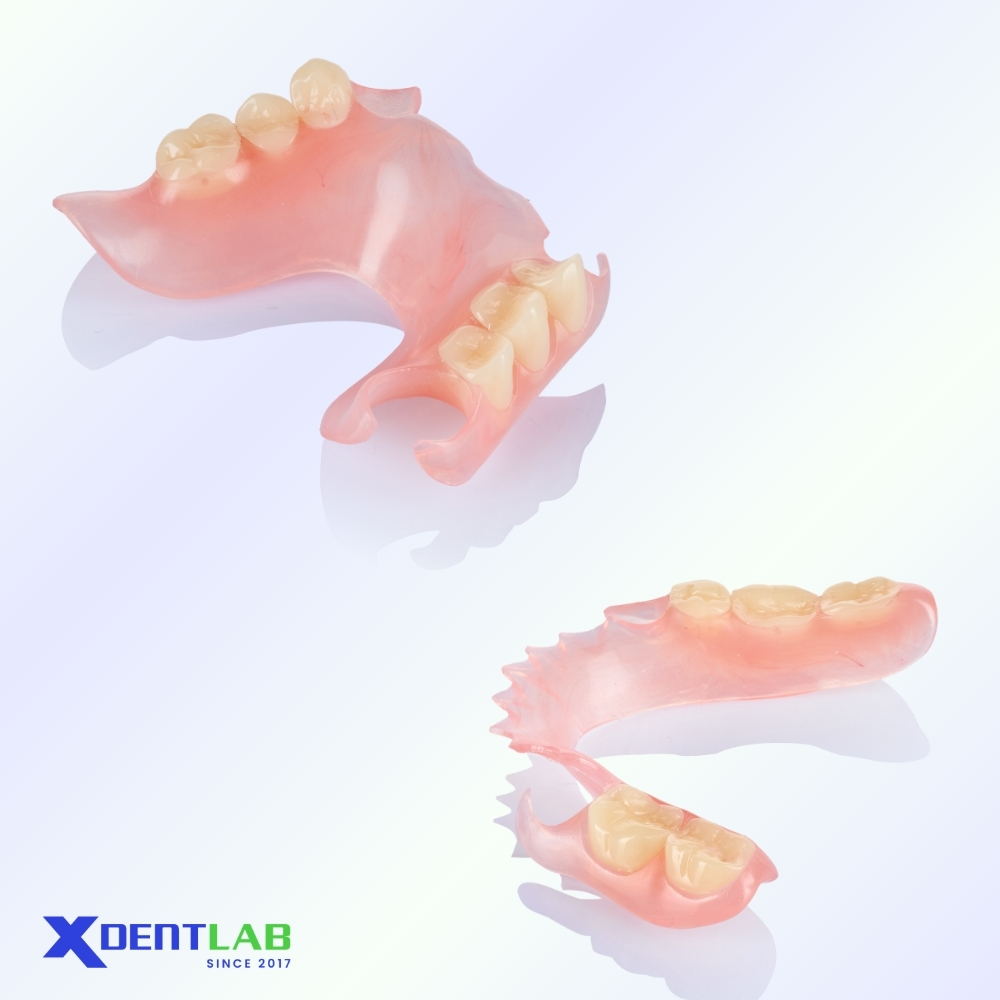
A flexible clasp is a retentive component made from thermoplastic materials rather than rigid metal alloys.
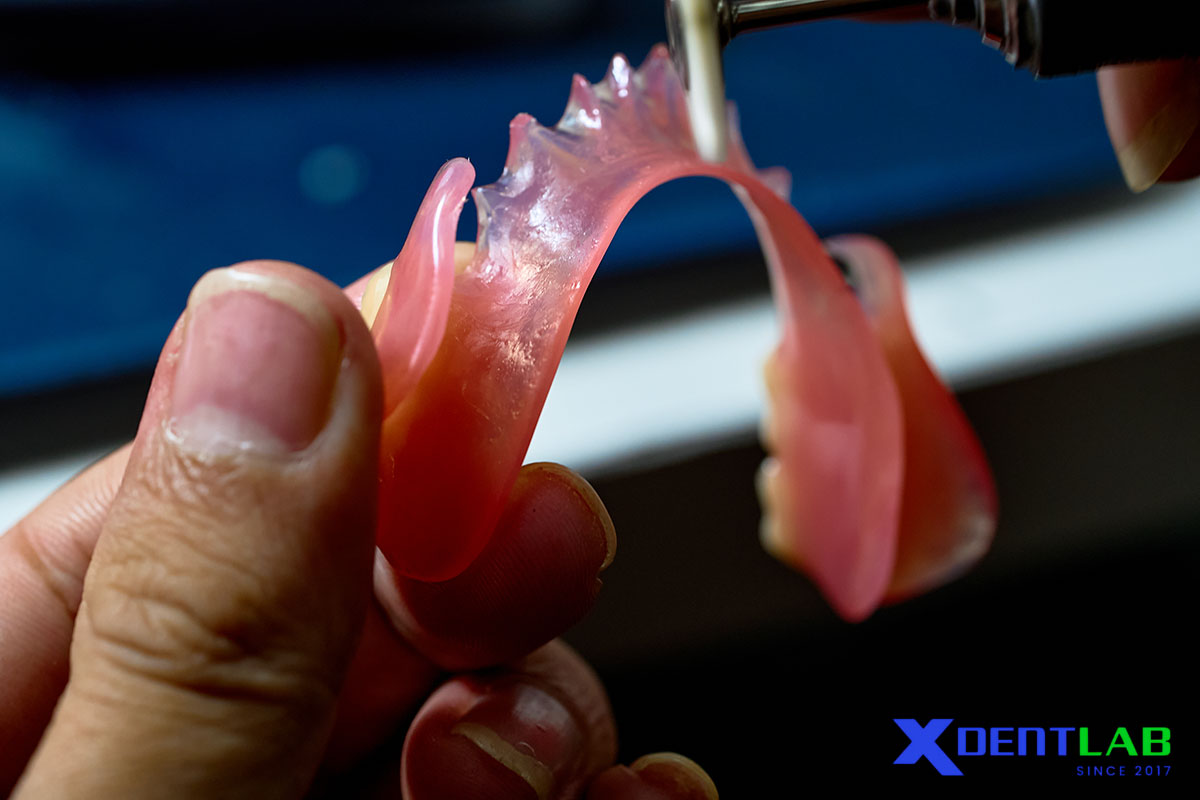
Unlike conventional clasps, flexible clasps rely on material elasticity instead of mechanical rigidity to engage undercuts and provide retention.
Key characteristics include:
- Made from thermoplastic resin
- Tooth colored or gingiva colored
- High flexibility and elasticity
- Improved patient comfort
- Reduced visibility
Materials Used in Flexible Clasps
Flexible clasps are typically fabricated from advanced thermoplastic polymers.
Common materials include:
- Nylon based polymers
- Polyamide materials
- Acetal resin
- Polyoxymethylene
These materials allow the clasp to flex over the height of contour and return to its original shape without permanent deformation.
Design Characteristics
Flexible clasps differ significantly from traditional metal clasps in both structure and function.
Key design features include:
- Thicker cross section compared to metal clasps
- Engagement of deeper undercuts
- Smooth and rounded contours
- Integration with flexible denture base
Because retention depends on material flexibility, proper design must consider both undercut depth and material thickness.
Indications for Flexible Clasps
Flexible clasps are particularly useful in situations where esthetics and comfort are priorities.
Common indications include:
- Patients with high esthetic demand
- Anterior and premolar regions
- Metal allergy or sensitivity
- Cases requiring improved comfort
- Transitional or temporary prostheses
Flexible clasps are often chosen when patients refuse visible metal components.
Advantages of Flexible Clasps
1. Superior Esthetics
Flexible clasps are tooth colored or gingiva colored, making them significantly less visible than metal clasps.
2. Improved Patient Comfort
The flexible material adapts better to soft tissue and reduces pressure on abutment teeth.
Suitable for patients with metal allergies or those who prefer metal free restorations.
4. Better Adaptation
Flexible clasps can engage undercuts more gently and distribute forces more evenly.
5. Reduced Chairside Adjustments
The elastic nature of the material often requires fewer adjustments compared to rigid clasps.
Limitations of Flexible Clasps
Despite their advantages, flexible clasps also have important limitations.
Key limitations include:
- Lower rigidity and support compared to metal
- Difficult to adjust or repair
- Limited ability to provide bracing
- Potential for deformation over time
- Technique sensitive fabrication
Because of these limitations, flexible clasps are not suitable for all clinical situations.
Contraindications
Flexible clasps should be avoided in cases where strong mechanical support is required.
These include:
- Distal extension cases with heavy load
- Situations requiring rigid bracing
- Poor oral hygiene conditions
- Cases needing precise adjustment
In such cases, traditional metal clasps provide more predictable outcomes.
Understanding the differences between flexible and metal clasps is essential for proper case selection.
Flexible clasp
- High esthetics
- High flexibility
- Lower rigidity
- Limited support
- Lower esthetics
- High rigidity
- Strong support and bracing
- More adjustable
The choice depends on balancing esthetics with biomechanical requirements.
Clinical Considerations
Successful use of flexible clasps requires careful planning and execution.
Important factors include:
- Accurate undercut selection
- Proper material choice
- Controlled thickness design
- Patient specific occlusal evaluation
Communication between clinician and dental laboratory is critical to ensure optimal results.
Flexible Clasp in Digital and Laboratory Workflow
With the advancement of digital dentistry, flexible clasp fabrication has become more precise and consistent.
Typical workflow includes:
- Case evaluation and design planning
- Digital scanning or impression
- CAD design of denture and clasp
- Injection molding or milling
- Finishing and polishing
Material handling and processing play a significant role in the final outcome.
When to Choose a Flexible Clasp
Flexible clasp is recommended when esthetics and comfort are the primary concerns.
It is ideal when:
- Patient requests invisible clasp design
- Case involves anterior teeth
- Patient has metal sensitivity
- Light functional load is expected
It should be avoided when structural strength and support are critical.
Conclusion
Flexible clasps represent a modern approach to removable partial denture design, focusing on esthetics and patient comfort. While they offer significant advantages in appearance and adaptability, they must be used selectively based on clinical requirements.
Understanding the strengths and limitations of flexible clasps allows dental professionals and laboratories to deliver more personalized and effective prosthetic solutions.
Share this post:
Related Posts
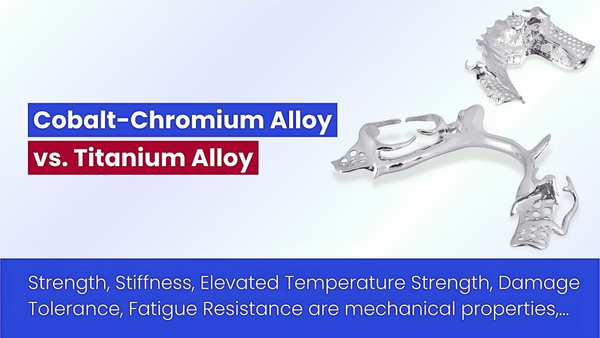
Learn the key differences between titanium and cobalt-chromium alloys used in removable partial denture frameworks, from mechanical properties to production requirements.
Explore biodegradable materials in dentistry, including their applications, benefits, limitations, and future potential in regenerative and sustainable dental care.
Learn how polyamide dental materials support flexible dentures and removable prosthetics through biocompatibility, aesthetics, comfort, and lightweight performance.

