
Discover the science behind fluoride-based preventive materials, their mechanisms, types, and the latest innovations in dentistry. Learn how XDENT LAB supports dental practices with high-quality lab solutions.
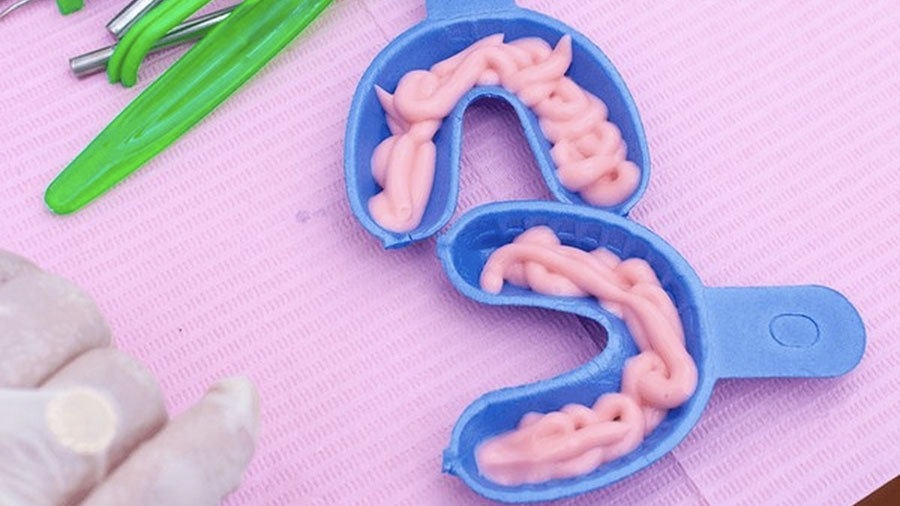
Table of contents [Show]
- Introduction to Fluoride in Preventive Dentistry
- Mechanisms of Fluoride Action
- Types of Fluoride-Based Preventive Materials
- Clinical Applications and Protocols
- Advanced Fluoride Delivery Systems
- Assessment and Monitoring
- Safety Considerations and Optimal Use
- Innovations and Future Directions
- Challenges and Limitations
- Comparative Effectiveness
- Conclusion
Introduction to Fluoride in Preventive Dentistry
Fluoride remains the cornerstone of preventive dentistry and is considered the most effective agent in the prevention of dental caries. Its ability to enhance remineralization of early carious lesions and interrupt the demineralization process has made it indispensable in modern dental practice. The mechanism by which fluoride prevents dental caries involves both systemic and topical effects, with topical applications being recognized as the primary mode of action.
Mechanisms of Fluoride Action
Remineralization Process
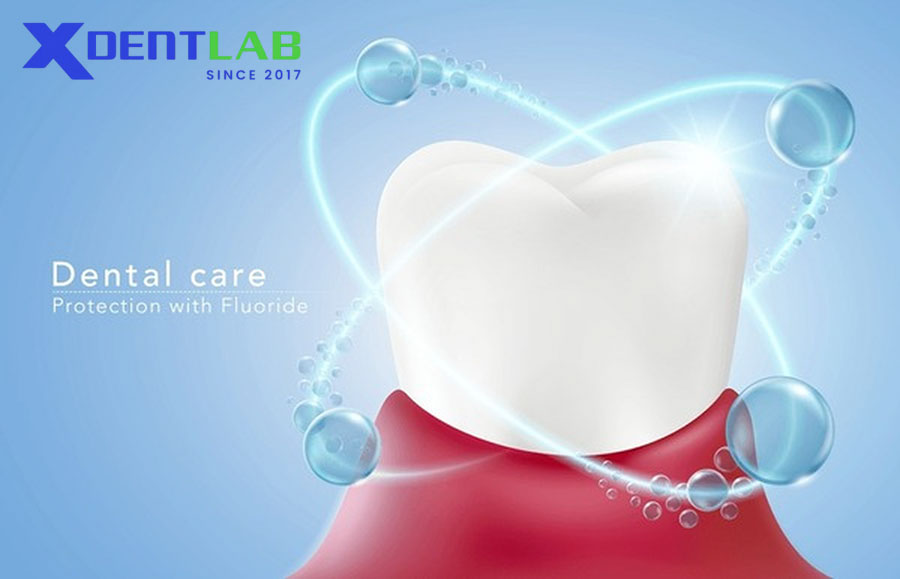
Fluoride's primary preventive mechanism involves promoting remineralization by converting hydroxyapatite to less soluble fluorapatite. This process occurs when fluoride ions are present in saliva and plaque fluid during acid challenges. The formation of fluorapatite crystals creates a more acid-resistant tooth surface that is better able to withstand future demineralization challenges.
Inhibition of Demineralization
Fluoride effectively interrupts the demineralization/degradation process through multiple mechanisms:
Reducing enamel solubility in acidic environments.
Promoting calcium and phosphate precipitation.
Creating a protective fluoride reservoir on tooth surfaces.
Modifying the critical pH for dissolution.
Antibacterial Effects
Beyond its effects on tooth structure, fluoride exhibits antimicrobial properties by:
Inhibiting bacterial acid production.
Disrupting bacterial metabolism.
Reducing biofilm formation.
Interfering with bacterial adhesion to tooth surfaces.
Types of Fluoride-Based Preventive Materials
Fluoride Varnishes
Fluoride varnishes represent one of the most effective professional fluoride applications, providing:
High fluoride concentration (typically 22,600 ppm).
Extended contact time with tooth surfaces.
Sustained fluoride release over several months.
Ease of application even in young children.
Clinical studies have demonstrated significant caries reduction with regular varnish applications, particularly in high-risk populations.
Fluoride Gels and Foams
Professional fluoride gels and foams offer:
Intermediate fluoride concentrations (9,000-12,300 ppm).
Controlled application through trays.
Effective coverage of all tooth surfaces.
Suitable for patients with moderate to high caries risk.
Fluoride-Releasing Restorative Materials
Glass Ionomer Cements
Glass ionomer cements provide dual benefits as both restorative and preventive materials through:
Long-term fluoride release and recharge capabilities.
Chemical adhesion to tooth structure.
Biocompatibility and minimal pulpal irritation.
Prevention of secondary caries.
Fluoride-Containing Bioactive Glasses
Materials incorporating fluoride-containing bioactive glasses have demonstrated the ability to:
Promote remineralization of demineralized dentin.
Reduce dentinal hypersensitivity.
Provide sustained fluoride release.
Enhance the formation of fluorapatite.
Fluoride-Releasing Dental Sealants
Modern sealant materials incorporating fluoride offer:
Physical barrier protection combined with chemical prevention.
Continuous low-level fluoride release.
Enhanced protection of adjacent tooth surfaces.
Reduced microleakage compared to non-fluoride sealants.
Clinical Applications and Protocols
Risk-Based Prevention
The application of fluoride-based preventive materials should be tailored according to individual caries risk assessment:
High-risk patients: Professional fluoride applications every 3-6 months.
Moderate-risk patients: Applications every 6-12 months.
Low-risk patients: Routine exposure through fluoridated water and toothpaste.
Combined Preventive Approaches
Recent research emphasizes synergistic approaches combining multiple fluoride sources:
Professional applications supplemented with home care products.
Integration of fluoride with other remineralizing agents.
Combination of fluoride varnish with sealant placement.
Multi-modal prevention strategies for maximum effectiveness.
Advanced Fluoride Delivery Systems
Slow-Release Fluoride Devices
Innovative delivery systems have been developed to provide:
Controlled, sustained fluoride release.
Reduced frequency of professional applications.
Improved patient compliance.
Consistent salivary fluoride levels.
Nano-Fluoride Formulations
Nanotechnology has enhanced fluoride delivery through:
Increased surface area for ion exchange.
Improved penetration into early lesions.
Enhanced bioavailability.
Reduced fluoride concentrations needed for effectiveness.
Assessment and Monitoring
Fluoride Release Kinetics
Studies assessing fluoride-releasing materials have shown:
Initial burst release followed by sustained low-level release.
Material-dependent release patterns.
Environmental factors affecting release rates.
Recharge capabilities with topical fluoride exposure.
Clinical Effectiveness Measures
Evaluation of fluoride-based preventive materials includes:
Caries incidence and progression rates.
Enamel remineralization assessment.
Fluoride uptake measurements.
Long-term retention and effectiveness.
Safety Considerations and Optimal Use
Fluoride Dosage and Safety
While fluoride is highly effective, proper dosage is crucial:
Age-appropriate concentrations and amounts.
Consideration of total fluoride exposure.
Monitoring for potential fluorosis risk.
Professional supervision for high-concentration products.
Evidence-Based Recommendations
Current evidence supports:
Twice-daily use of fluoridated toothpaste (1000-1500 ppm).
Professional applications based on caries risk.
Water fluoridation as a population-based measure.
Supplemental fluoride only when indicated.
Innovations and Future Directions
Smart Fluoride Materials
Development of "smart" materials that:
Release fluoride in response to pH drops.
Provide targeted delivery to active caries sites.
Self-regulate fluoride release based on need.
Integrate with digital monitoring systems.
Biomimetic Approaches
Research into biomimetic fluoride applications includes:
Fluoride-guided enamel regeneration.
Protein-mediated fluoride delivery.
Biomineralization enhancement.
Integration with natural remineralization processes.
Synergistic Combinations
A synergistic approach to tooth remineralization using fluoride with other agents shows promise:
Calcium and phosphate supplements.
Antimicrobial peptides.
Bioactive compounds.
pH-modulating agents.
Challenges and Limitations
Clinical Challenges
Variable patient compliance with home fluoride use.
Difficulty in maintaining optimal fluoride levels.
Technique sensitivity of some applications.
Cost considerations for frequent professional applications.
Research Gaps
Long-term effectiveness of newer fluoride formulations.
Optimal combinations with other preventive agents.
Personalized fluoride protocols based on individual risk.
Environmental impact of fluoride-containing materials.
Comparative Effectiveness
Fluoride vs. Non-Fluoride Approaches
While advanced non-fluoride approaches to dental enamel remineralization are being developed, fluoride remains the gold standard due to:
Extensive clinical evidence base.
Cost-effectiveness.
Ease of implementation.
Proven long-term safety record.
Integration with Alternative Strategies
Modern preventive approaches often combine fluoride with:
Casein phosphopeptide-amorphous calcium phosphate (CPP-ACP).
Xylitol and other sugar substitutes.
Probiotics for caries prevention.
Laser therapy for enhanced fluoride uptake.
Conclusion
Fluoride-based preventive materials continue to play a central role in dental caries prevention through their multifaceted mechanisms of action. From traditional applications like varnishes and gels to innovative delivery systems incorporating nanotechnology and smart materials, fluoride remains the most evidence-based preventive agent in dentistry. The future of fluoride-based prevention lies in personalized approaches, synergistic combinations with other agents, and smart delivery systems that optimize effectiveness while minimizing any potential risks. Continued research into biomimetic approaches and targeted delivery promises to further enhance the preventive capabilities of fluoride-based materials.
About XDENT LAB:
We are experts in Lab-to-Lab Full Service from Vietnam, with the signature services of Removable, meet U.S. market standards, FDA-registered, ISO 13485-certified. Founded in 2017, from local root to global reach, we scale with 2 Factories with over 100+ employees.
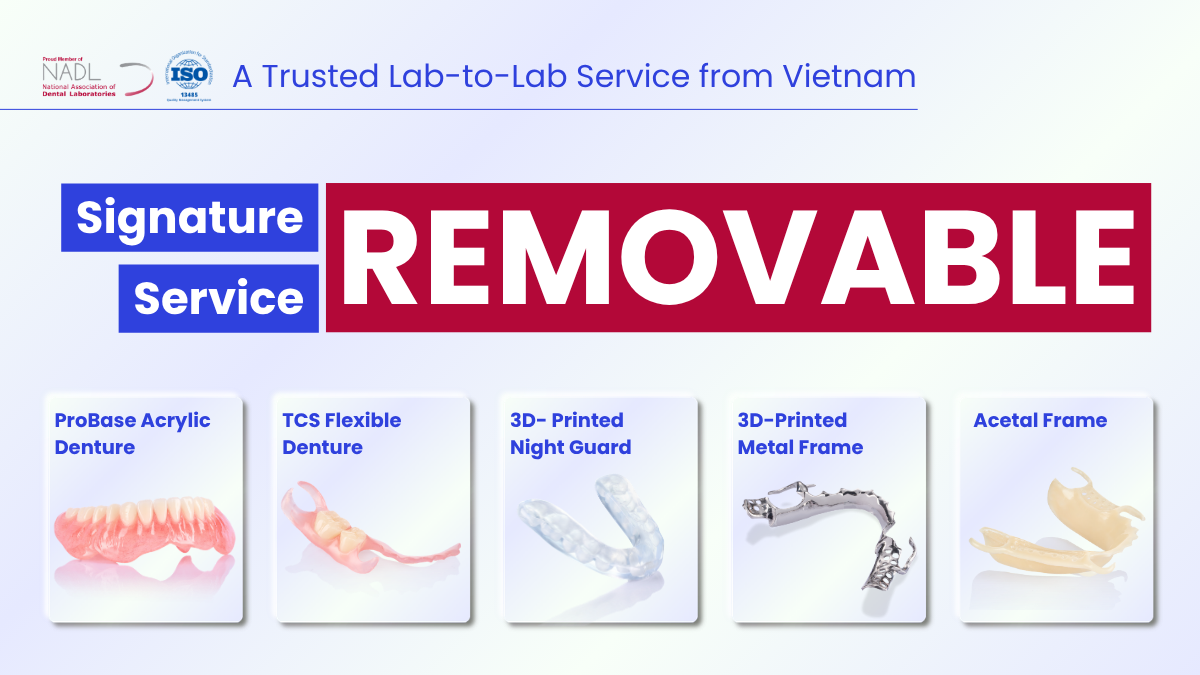
Our Commitments Built on “Trusted. Commitment. Quality”
- Commit to Large-Scale Manufacturing, high volume, remake rate < 1%.
- Commit to 5-Year Warranty
- Commit to Competitive Price
XDENT LAB | A Trusted Lab-to-Lab Service from Vietnam
Share this post:
Related Posts
Learn the key differences between titanium and cobalt-chromium alloys used in removable partial denture frameworks, from mechanical properties to production requirements.
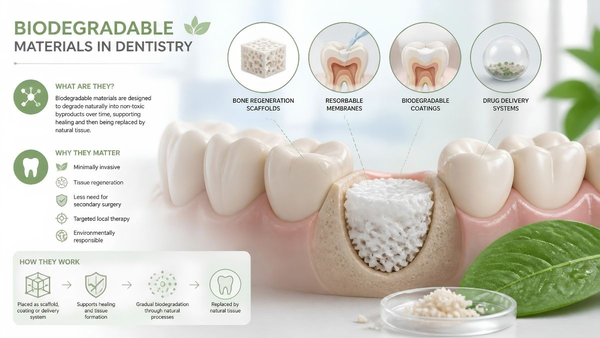
Explore biodegradable materials in dentistry, including their applications, benefits, limitations, and future potential in regenerative and sustainable dental care.
Learn how polyamide dental materials support flexible dentures and removable prosthetics through biocompatibility, aesthetics, comfort, and lightweight performance.

