
Discover a comprehensive academic review of resin‑modified glass ionomer cements (RMGICs): dual‑setting chemistry, mechanical performance, fluoride release and recharge, clinical indications and techniques, advantages vs GICs/composites/compomers, limitations, quality standards (ISO 9917‑2), and future material innovations—tailored for dental practices seeking predictable, high‑quality outcomes.
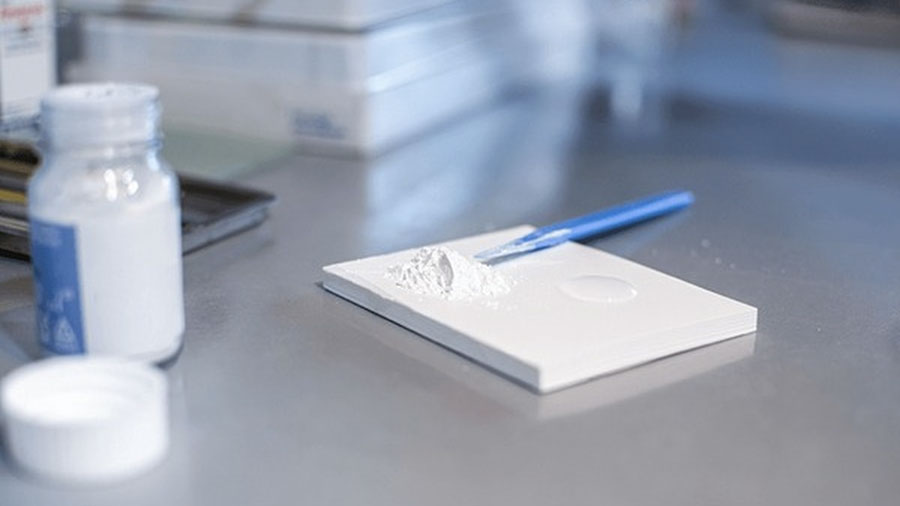
Table of contents [Show]
- Overview
- Composition & Chemistry
- Setting Mechanisms & Kinetics
- Physical & Mechanical Properties
- Fluoride Release & Recharge
- Clinical Applications
- Advantages Over Conventional GICs
- Biological and Antimicrobial Profile
- Limitations & Challenges
- Clinical Technique & Protocol
- Recent Innovations & Enhanced Formulations
- Comparative Analysis
- Clinical Performance & Failure Patterns
- Quality Control & Standards
- Pediatric and Geriatric Considerations
- Future Directions
- Clinical Decision-Making
- Key Takeaways & Practical Tips
- XDENT LAB Perspective (Quality & Consistency)
Overview
RMGICs merge the fluoride-releasing, chemically adhesive nature of conventional glass ionomer cements (GICs) with resin-driven command-set handling and enhanced mechanical properties. This hybridization addresses GIC limitations - Moisture sensitivity, brittleness, and slower set - Without discarding benefits central to preventive and minimally invasive dentistry. In practice, RMGICs excel in cervical, pediatric, and sandwich-technique applications, with nuanced trade-offs around water sorption and long-term color stability.
Composition & Chemistry
RMGICs are engineered to support dual-setting reactions and ion exchange while improving strength and handling.
Core Constituents
Fluoroaluminosilicate glass powder (radiopaque formulations with strontium or barium).
Polyacrylic acid featuring pendant methacrylate groups (for dual cure).
HEMA (10–25%) and dimethacrylate cross-linkers.
Photoinitiator system (typically camphorquinone).
Tartaric acid (setting modifier) and water (15–25%) as the reaction medium.
Powder & Liquid Modifications
Silanated glass particles to improve resin bonding.
Reduced particle size for better polishability and mechanical properties.
Optional chemical cure initiators for light-inaccessible areas.
Fluoride-containing glasses to retain recharge capacity.
Practical Chemical Implications
The presence of HEMA enhances wetting and early adaptation but increases hydrophilicity.
Methacrylate-modified polyacids allow light-triggered polymerization while preserving acid–base reactivity.
Interpenetrating polymer networks form as resin polymerization intersects with salt bridge formation.
Setting Mechanisms & Kinetics
RMGICs cure via intertwined pathways that define both immediate handling and long-term maturation.
Dual-Cure Pathways
Light-activated polymerization (20–40 seconds): Fast conversion of methacrylate groups for immediate command set.
Acid–base reaction: Continues for hours to days, strengthening ionic cross-links.
Chemical polymerization: Redox-initiated polymerization aids set in deeper or shaded regions.
Cross-linking: Creates interpenetrating polymer networks that stabilize the matrix.
Competitive Dynamics (FTIR Insights)
Rapid resin polymerization competes with slower acid–base neutralization.
Water migration and ion transport modulate network formation.
Progressive maturation over weeks refines strength and dimensional stability.
Time Course
Immediate: Light cure confers early handling and finishing.
Short-term (hours–days): Ongoing acid–base reaction and water uptake.
Long-term (weeks): Maturation improves hardness and wear resistance but may introduce hygroscopic expansion.
Physical & Mechanical Properties
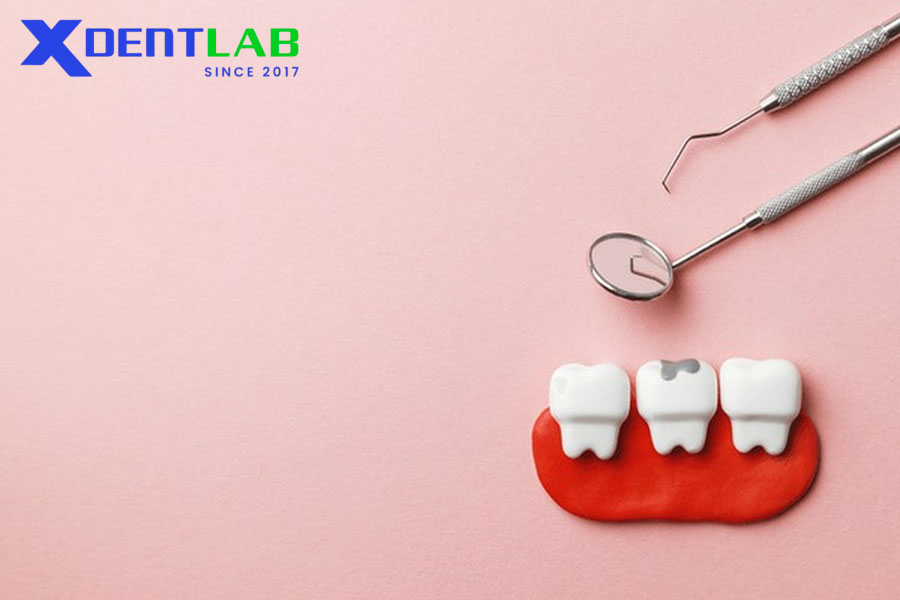
RMGICs demonstrate improved strength and clinical handling compared with conventional GICs, with specific considerations around water dynamics.
Strength Profile
Compressive strength: 150–250 MPa.
Tensile strength: 15–25 MPa.
Flexural strength: 25–45 MPa.
Enhanced fracture toughness and wear resistance compared to conventional GICs.
Handling & Working Traits
Extended working time before light cure; command set on demand.
Reduced moisture sensitivity during placement.
Better marginal adaptation and improved surface finish capability.
Water Sorption & Dimensional Effects
Elevated water absorption versus composites due to HEMA.
Hygroscopic expansion can reduce microleakage but risks marginal stress.
Hydrolytic degradation potential and color stability challenges over time.
Proper isolation is critical to optimize outcomes.
Fluoride Release & Recharge
RMGICs maintain clinically meaningful fluoride dynamics that support caries control.
Release Characteristics
Initial burst in the first 24–48 hours.
Sustained, lower total release than conventional GICs.
pH-dependent release, with acidic challenges increasing ion exchange.
Therapeutic levels maintained for preventive benefits.
Recharge Behavior
Efficient uptake from topical fluoride and mouthrinses.
Subsequent re-release enables a cumulative reservoir effect.
Better recharge than composites; lower absolute release than pure GICs.
Clinical Applications
RMGICs are adaptable across restorative and preventive indications, with strength and adhesion advantages suited to specific clinical contexts.

Restorative Use-Cases
Class V and non-carious cervical lesions (NCCLs).
Class III restorations in low-load areas.
Core build-ups under crowns where moisture control is challenging.
Sandwich technique (open or closed) beneath composite occlusal layers.
Pediatric restorations, including atraumatic restorative treatment (ART) in select cases.
Preventive and Specialized
Pit and fissure sealants and preventive resin restorations.
Orthodontic brackets and band cementation with fluoride release.
Liner/base applications under indirect restorations.
Temporary restorations and retrograde fillings.
Geriatric care for root caries and exposed cervical dentin.
Advantages Over Conventional GICs
RMGICs deliver tangible clinical gains while retaining hallmark ionomer benefits.
Mechanical and Handling Gains
Higher strength metrics and wear resistance.
Command set with light activation; immediate finishing.
Reduced brittleness; improved fracture toughness.
Better polishability and marginal integrity.
Aesthetic Improvements
More translucent, improved color match.
Smoother, glossier finishes.
Reduced opacity; better long-term appearance in low-demand zones.
Biological and Antimicrobial Profile
RMGICs are broadly biocompatible and amenable to therapeutic enhancements.
Biocompatibility
Minimal cytotoxicity post-set and acceptable pulpal response.
Reduced postoperative sensitivity in cervical lesions.
Safe for routine clinical use when properly handled.
Antimicrobial Innovations
Copper-modified and bioactive variants show enhanced biofilm inhibition.
Maintained fluoride release with additive antimicrobial synergy.
Promise for high-caries-risk cohorts.
Limitations & Challenges
Knowing the boundaries of RMGIC performance helps guide case selection and technique.
Material Constraints
Water sorption and hygroscopic expansion risks.
Color stability concerns in high-aesthetic zones.
Technique sensitivity: isolation and curing depth matter.
Generally higher cost than conventional GICs.
Clinical Caveats
Depth of cure limitations in bulk or deep cavities.
Moisture control required for predictable bonding.
Less ideal for high-stress posterior occlusal surfaces.
Long-Term Considerations
Hydrolytic degradation and marginal discoloration risks.
Surface wear under heavy occlusion.
Dimensional changes and property deterioration over time.
Clinical Technique & Protocol
Methodical execution maximizes performance and longevity.
Cavity Preparation
Conservative approach with rounded internal line angles.
Remove unsupported enamel; no mechanical retention needed.
Preserve tooth structure to leverage chemical adhesion.
Conditioning & Surface Prep
Polyacrylic acid (10–20%) to remove smear layer and expose calcium for bonding.
Optional mild phosphoric acid etch in sandwich techniques.
Rinse, gentle air-dry to a moist (not desiccated) surface.
Placement & Curing
Isolate (rubber dam preferred) to control moisture.
Mix per manufacturer; avoid air incorporation.
Incremental placement if recommended; adapt to walls.
Light cure according to instructions (consider shaded areas).
Allow post-cure maturation; avoid early dehydration.
Finishing & Protection
Immediate finishing with fine diamonds or carbides.
Multi-step polishing for gloss and plaque resistance.
Optional surface sealant to reduce early water exchange and staining.
Verify occlusion and adjust judiciously.
Recent Innovations & Enhanced Formulations
Material science is pushing RMGICs toward better durability and aesthetics.
Nano-Modified RMGICs (Nano-ionomers)
Increased fluoride release capacity.
Improved flexural strength and polishability.
Reduced water sorption and enhanced translucency.
Bioactive and Therapeutic Additions
Bioactive glasses and antimicrobial agents for remineralization and biofilm control.
Smart ion release tuned to pH changes.
Formulations targeting reduced desorption and dimensional shift.
Comparative Analysis
RMGICs vs Conventional GICs
Stronger, more polishable, and less moisture sensitive.
Command-set enables efficient workflows.
Slightly lower fluoride release overall but better handling and aesthetics.
RMGICs vs Resin Composites
Superior fluoride dynamics and chemical adhesion to tooth.
Simpler bonding protocol (often less technique-sensitive than total-etch).
Lower ultimate strength; higher water sorption and color instability risks.
RMGICs vs Compomers
True acid–base setting and higher fluoride release.
More robust ion exchange and chemical bonding.
Different cure chemistry; typically better anticariogenic profile.
Clinical Performance & Failure Patterns
RMGICs deliver dependable outcomes when used within indications.
Longevity
Survival rates of 5–10 years in low-stress, properly isolated cases.
Strong performance in NCCLs and pediatric restorations.
Acceptable aesthetic stability in cervical areas.
Typical Failures
Marginal discoloration and surface wear in occlusal stress zones.
Bulk fracture under high load when misapplied.
Hydrolytic degradation and marginal breakdown over long intervals.
Quality Control & Standards
Adherence to standards and guidelines ensures consistent clinical results.
Material Standards
ISO 9917-2 conformity for resin-modified cements.
Documented mechanical properties and fluoride release.
Biocompatibility and clinical performance evidence.
Clinical Guidelines
Rigorous case selection tied to stress analysis and moisture control.
Manufacturer-specific instructions for mixing and curing.
Recall intervals to monitor margins, color, and surface integrity.
Pediatric and Geriatric Considerations
Targeted benefits support vulnerable patient groups.
Pediatric
Easier handling and faster set aid behavior management.
Fluoride release supports caries prevention.
Stronger than conventional GICs, suitable for ART in select cases.
Geriatric
Excellent for root caries and cervical lesions.
Chemical adhesion favorable on sclerotic dentin.
Cost-effective with preventive benefits.
Future Directions
Expect continued refinement toward stability, aesthetics, and digital integration.
Material Development
Lower water sorption and improved color stability.
Enhanced, tunable fluoride release.
Optimized resin systems and bioactive components.
Clinical Expansion
CAD/CAM-compatible ionomer hybrids.
Protocols for minimally invasive, prevention-oriented dentistry.
Digital workflows for indirect restorations using RMGIC liners and bases.
Clinical Decision-Making
Use RMGICs where their strengths align with case demands.
Strong Indications
Cervical lesions and NCCLs.
Pediatric restorations and cores in moisture-challenged fields.
Sandwich technique as a bioactive base.
Preventive sealants in high-caries-risk patients.
Contraindications
High-stress, multi-surface posterior occlusals.
Deep subgingival margins with poor isolation.
Highly demanding anterior aesthetics.
Parafunctional patients without protective strategies.
Key Takeaways & Practical Tips
Leverage RMGICs for bioactive adhesion, fluoride dynamics, and command-set efficiency, especially in cervical and pediatric scenarios.
Control moisture meticulously; consider surface sealants to mitigate early water exchange and staining.
Combine with composite in sandwich techniques to balance bioactivity and occlusal durability.
Monitor margins and color over time; reserve high-esthetic anterior cases for resin composites or ceramics.
XDENT LAB Perspective (Quality & Consistency)
For practices partnering with lab-to-lab services, predictable outcomes start chairside. Selecting RMGICs for cores, cervical bases, and preventive indications stabilizes substrates for indirect restorations. Consistent isolation, standardized curing, and documentation of materials align with FDA and ISO expectations—supporting high-quality workflows from preparation to final restoration across distributed teams and multi-site operations.
About XDENT LAB:
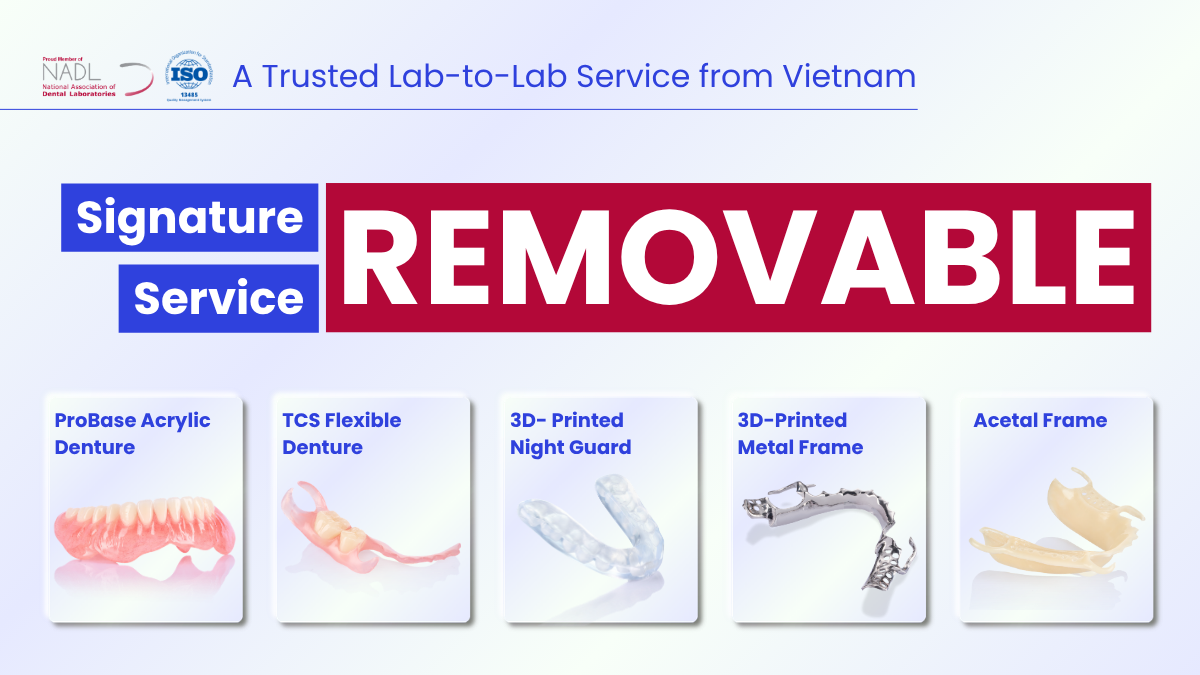
We are experts in Lab-to-Lab Full Service from Vietnam, with the signature services of Removable, meet U.S. market standards, FDA-registered, ISO 13485-certified. Founded in 2017, from local root to global reach, we scale with 2 Factories with over 100+ employees.
Our Commitments Built on “Trusted. Commitment. Quality”
- Commit to Large-Scale Manufacturing, high volume, remake rate < 1%.
- Commit to 5-Year Warranty
- Commit to Competitive Price
XDENT LAB | A Trusted Lab-to-Lab Service from Vietnam
Share this post:
Related Posts
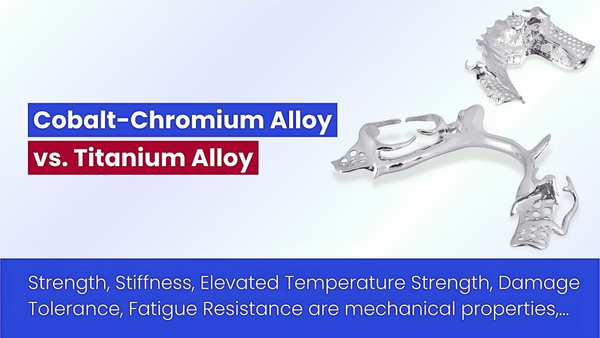
Learn the key differences between titanium and cobalt-chromium alloys used in removable partial denture frameworks, from mechanical properties to production requirements.
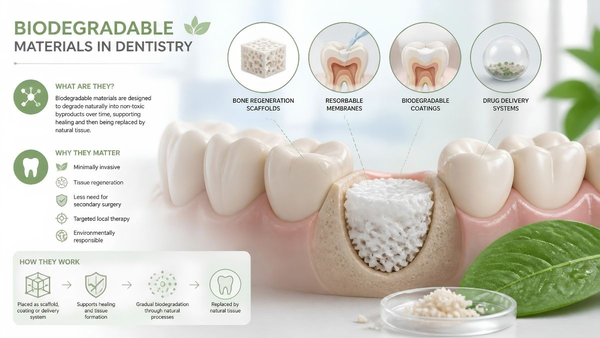
Explore biodegradable materials in dentistry, including their applications, benefits, limitations, and future potential in regenerative and sustainable dental care.
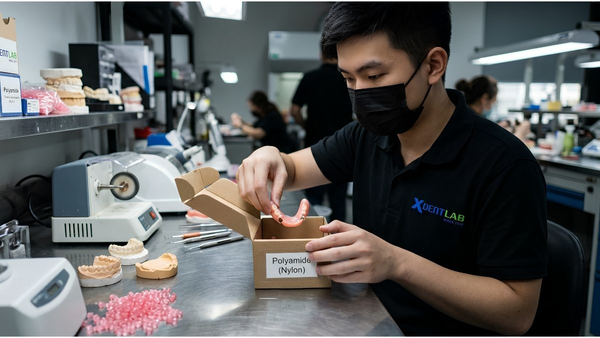
Learn how polyamide dental materials support flexible dentures and removable prosthetics through biocompatibility, aesthetics, comfort, and lightweight performance.

