
Dental sealant protocols: etching, isolation, curing, and quality control to maximize retention and minimize failures in community and private practice.
Table of contents [Show]
- Overview
- Historical Development
- Anatomy & Preventive Rationale
- Types of Dental Sealants
- Chemical Composition
- Clinical Effectiveness
- Application Technique
- Clinical Indications
- Special Considerations
- School-Based Programs
- Advances in Sealant Technology
- Complications & Management
- Safety Considerations
- Clinical Guidelines
- Comparative Material Analysis
- Long-Term Outcomes
- Future Directions
- Clinical Decision Support
- Quality Assurance
- Special Populations
- Economic Analysis
- Global Perspectives
- Conclusion
- XDENT LAB Perspective (Quality & Consistency)
Overview
Dental sealants are among the most effective preventive materials for protecting occlusal surfaces - Especially pits and fissures - Against caries. By forming a micromechanical or chemical barrier, sealants inhibit plaque retention, food impaction, and bacterial colonization in anatomically vulnerable grooves. Evidence from community-based programs consistently shows significant reductions in occlusal caries when sealants are placed with standardized protocols, reinforcing their central role in public health dentistry and minimally invasive care models.
Historical Development
A brief evolution explains current material choices and clinical protocols.
Evolution of Sealant Technology
1960s: Early cyanoacrylate applications.
1970s: BIS-GMA resin sealants; acid-etch technique refinement.
1980s: Glass ionomer (GI) sealants introduced.
1990s: Fluoride-releasing resin systems.
2000s–present: Bioactive, nano-filled, and smart materials.
Milestones in Prevention
Recognition of pit/fissure susceptibility on molars.
Standardized etching and isolation workflows.
Evidence-based guidelines from ADA/AAPD.
Scale-up via school-based sealant programs.
Demonstrated cost-effectiveness in at-risk populations.
Anatomy & Preventive Rationale
Tooth morphology and plaque dynamics justify targeted sealing.
Pit & Fissure Morphology
Deep, narrow, and complex grooves trap debris and bacteria.
Cleaning challenges despite brushing.
Variable enamel thickness and developmental defects.
High susceptibility regions on occlusal surfaces of molars.
Preventive Rationale
Majority of occlusal caries originate in pits/fissures.
Mechanical cleaning is limited in micro-groove architecture.
Topical fluoride is less effective inside deep fissures.
Early sealing arrests incipient lesions and preserves tooth structure.
Types of Dental Sealants
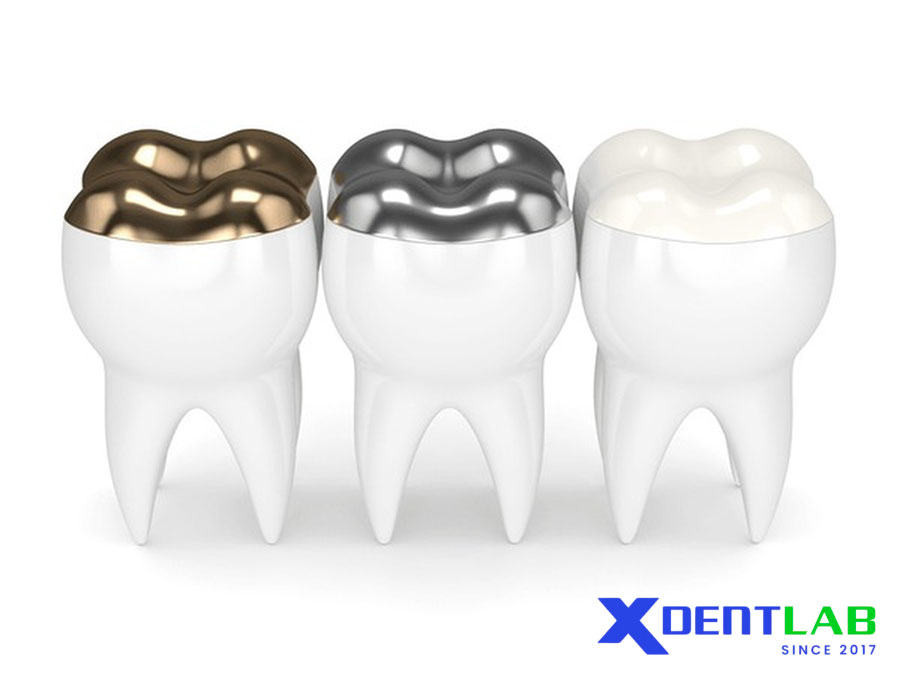
Material choice affects retention, handling, moisture tolerance, and therapeutic effects.
Resin-Based Sealants
Filled resin: 10–50% fillers; improved wear and strength; more opaque; longer longevity.
Unfilled resin: superior flow and penetration; clear/transparent; easy handling.
Fluoride-releasing resin: sustained fluoride elution; added caries protection; combined benefits.
Glass Ionomer Sealants (GI)
Chemical adhesion to enamel without etch.
Intrinsic fluoride release and recharge.
Relative moisture tolerance; useful in challenging isolation.
Lower long-term retention versus resin; strategic use in partially erupted teeth and high-risk settings.
Polyacid-Modified Resin Sealants (Compomers)
Hybrid properties between resin and GI.
Moderate fluoride release; better retention than GI.
Moisture sensitive; intermediate clinical profile.
Bioactive Sealants
Ion-releasing and remineralization potential.
Antimicrobial additives and pH-responsive behavior.
Aim to enhance subsurface repair and long-term protection.
Chemical Composition
Core chemistry informs polymerization behavior and clinical handling.
Resin Matrix Components
BIS-GMA, UDMA, TEGDMA as primary monomers.
Camphorquinone-based photoinitiators.
Stabilizers, inhibitors, and silane coupling agents for filler integration.
Polymerization Systems
Light-cured: 470 nm activation; controlled working time; command set; widely used.
Self-cured: chemical activation; no light needed; shorter working time; niche applications.
Filler Systems
Silica and glass fillers; fluoride-containing or nano fillers.
Surface-treated particles for improved dispersion and mechanical performance.
Clinical Effectiveness
Retention and caries prevention rates drive program-level decisions.
Caries Prevention Rates
80–90% caries reduction at 2 years.
60–70% effectiveness at 5 years.
Superior outcomes compared to fluoride varnish alone on occlusal surfaces.
Results vary by age, risk level, and technique quality.
Retention Statistics
Complete retention: 85–95% at 1 year; partial retention adds 5–10%.
5-year retention: 50–70%, improved with reapplication strategies.
Material type, isolation quality, and operator experience influence outcomes.
Comparative Effectiveness
Resin-based: highest retention and durability when isolation is ideal.
GI: lower retention but fluoride advantage; valuable in difficult moisture control.
Compomers: intermediate profile; technique-sensitive.
Filled vs unfilled: similar caries prevention when properly placed.
Application Technique
Standardized steps minimize failure and maximize longevity.
Tooth Preparation
Prophylaxis with pumice to remove pellicle and debris.
Isolation - Rubber dam preferred; cotton rolls or isolite as alternatives.
Acid etch (35–37% phosphoric acid) per manufacturer’s time.
Thorough rinse and dry; achieve a frosted enamel appearance.
Optional bonding agent depending on product recommendations.
Sealant Placement
Place sealant into pits and fissures; avoid air entrapment.
Allow controlled flow for complete fissure penetration.
Light cure according to manufacturer’s guidance.
Verify full coverage and uniform polymerization.
Quality Control
Visual and explorer evaluation for voids and margins.
Occlusion check to prevent interferences.
Document retention and material details for recalls.
Clinical Indications
Risk-based selection ensures efficient resource use.
Primary Indications
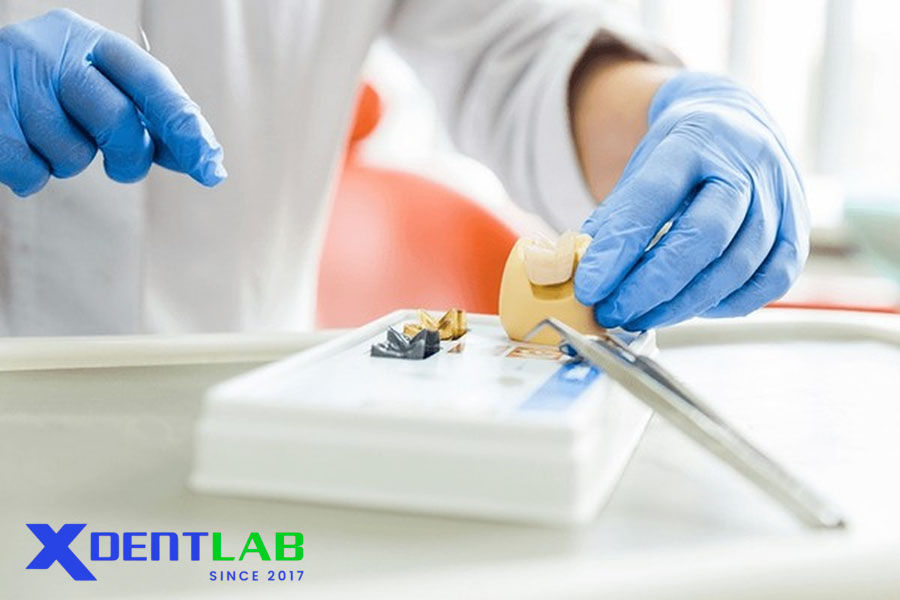
Newly erupted permanent molars.
Deep, stained, or complex fissure patterns.
High caries risk patients (diet, hygiene, history).
Contralateral molar caries; multifactor risk profiles.
Age Considerations
First permanent molars: age 6–7.
Second permanent molars: age 12–13.
Primary molars: selective use in high-risk cases.
Adults: risk-based sealants for deep fissures.
Risk Assessment
Individual caries risk via standardized tools.
Morphology, dietary habits, and fluoride exposure.
Socioeconomic determinants and access to care.
Special Considerations
Clinical nuance supports outcomes in real-world environments.
Partially Erupted Teeth
Moisture control challenges; staged approaches.
Consider GI sealants for moisture tolerance.
Increased monitoring and reapplication readiness.
Questionable Caries
Sealant as a therapeutic seal for non-cavitated lesions.
Conservative approach with periodic review and radiographic monitoring.
Previously Restored Teeth
Seal remaining grooves to reduce future occlusal caries.
Marginal reinforcement and preventive maintenance.
School-Based Programs
Operational models highlight population-level impact.
Implementation Models
Mobile units, on-site school clinics, portable systems.
Trained auxiliaries within defined protocols.
Consent workflows and parent engagement.
Cost-Effectiveness
Estimated $11–60 saved per sealed tooth over time.
Fewer restorative appointments and emergencies.
Strong ROI in high-risk cohorts.
Public Health Impact
Reduced disparities; improved access.
Preventive education embedded in programs.
Long-term oral health gains across communities.
Advances in Sealant Technology
Innovation targets deeper protection and easier delivery.
Bioactive Materials
Calcium phosphate release and pH buffering.
Antimicrobial incorporation and self-healing traits.
Enhanced remineralization under acid challenge.
Nanotechnology Applications
Nano-filled sealants for improved penetration and strength.
Antibacterial nanoparticles; controlled ion release.
Smart systems responding to biofilm activity.
Color-Changing Sealants
Improved placement visibility and quality assurance.ư
Wear monitoring and patient engagement benefits.
Complications & Management
Rapid identification and correction preserve preventive benefit.
Common Issues
Partial/complete loss, marginal defects, occlusal interference.
Inadequate coverage, air entrapment, under-curing.
Failure Analysis
Moisture contamination and poor isolation.
Insufficient etching or rinse/dry.
Material incompatibilities or operator technique gaps.
Remedial Actions
Reapplication protocols and partial repairs.
Complete replacement when indicated.
Alternative materials for challenging environments.
Enhanced recall frequency and monitoring.
Safety Considerations
Risk management keeps exposure within safe limits.
BPA Concerns
Transient, minimal BPA detection; below safety thresholds.
BPA-free or alternative formulations available.
Ongoing surveillance and informed consent discussions.
Allergic Reactions
Rare dermatitis or hypersensitivity.
Pre-placement history checks and material substitution.
Clear management pathways for adverse events.
Clinical Guidelines
Consensus recommendations streamline decision-making.
Professional Recommendations
ADA and AAPD guidelines support risk-based sealant use.
Quality indicators and measurable outcomes.
Integration within comprehensive prevention plans.
Decision Trees
Patient selection, material choice, and technique routes.
Recall intervals and reapplication criteria.
Documentation standards for audit readiness.
Comparative Material Analysis
Trade-offs inform tailored application.
Resin vs Glass Ionomer
Resin: superior retention; higher technique sensitivity.
GI: fluoride release and moisture tolerance; lower retention.
Cost considerations vary by program scale and patient profile.
Filled vs Unfilled
Filled: better wear resistance and opacity for verification.
Unfilled: improved flow and fissure penetration; similar prevention outcomes.
Choice depends on fissure anatomy and operator preference.
Long-Term Outcomes
Longitudinal data supports durability and savings.
Longitudinal Studies
Sustained occlusal caries prevention over years.
Reduced restorative needs and associated costs.
Quality of life improvements; fewer invasive treatments.
Success Predictors
Initial retention and isolation quality.
Age at placement (immediately post-eruption preferred).
Tooth type/position, operator experience, and maintenance protocols.
Future Directions
Research and technology will shape next-generation sealants.
Research Priorities
Smart materials, personalized prevention, AI-guided placement.
Digital adherence monitoring and predictive analytics.
Robust long-term effectiveness and cost studies.
Emerging Technologies
3D-printed and customized sealant delivery.
Regenerative interfaces and sensor integration.
Teledentistry follow-up models.
Clinical Decision Support
Education and consent underpin patient-centered prevention.

Patient Education
Clear explanation of benefits, process, and maintenance.
Emphasis on cost-effectiveness and long-term protection.
Reinforcement of hygiene and diet strategies.
Benefit–risk overview and alternatives.
Material selection rationale and follow-up importance.
Financial transparency; scheduling plans.
Quality Assurance
Program quality ensures consistent outcomes across sites.
Performance Indicators
Retention and caries prevention rates.
Patient satisfaction metrics.
Cost per tooth-year saved and program effectiveness.
Documentation Standards
Tooth surfaces sealed, materials, and batch numbers.
Clinical findings, isolation method, and cure parameters.
Recall intervals and reapplication records.
Special Populations
Adapt protocols for equitable preventive impact.
Special Needs Patients
Behavior management and possible sedation.
Material selection and caregiver involvement.
Modified techniques for safety and comfort.
Medically Compromised
Considerations for immunosuppression and bleeding risks.
Cardiac/respiratory conditions and medication interactions.
Coordination with medical providers.
Economic Analysis
Strategic deployment lowers long-term restorative burden.
Healthcare Economics
Upfront investment with downstream savings.
Fewer emergency visits and productivity gains.
Societal benefits in at-risk communities.
Insurance Coverage
Variable policies and age/frequency limits.
Prior authorization in some systems.
Advocacy for broader coverage in public programs.
Global Perspectives
International models guide scalable prevention.
International Programs
WHO-aligned initiatives and national strategies.
Resource allocation and workforce training.
Outcome monitoring and feedback loops.
Cultural Considerations
Community acceptance and health literacy.
Access barriers and engagement tactics.
Sustainable implementation tailored to local contexts.
Conclusion
Dental sealants remain a cornerstone of preventive dentistry, consistently reducing occlusal caries across ages and settings. Resin-based materials deliver superior retention when isolation is achieved; glass ionomer and compomers add value in moisture - challenged scenarios and public health programs. Success depends on risk-based selection, meticulous technique, and regular monitoring. With innovations in bioactive chemistry, nanotechnology, and smart delivery systems, sealants are poised to provide even greater protection within minimally invasive, cost-effective care - Supporting practice-level consistency and population health goals.
XDENT LAB Perspective (Quality & Consistency)
For dental practices leveraging XDENT LAB’s lab-to-lab services, standardized sealant protocols - Consistent isolation, documented material batches, cure parameters, and recall schedules - Align with FDA/ISO expectations and reduce variability across locations. Embedding evidence-based decision trees and QA metrics into preventive workflows strengthens outcomes, lowers re-treatment, and scales quality - Matching the needs of practices focused on predictable, compliant care.
About XDENT LAB:
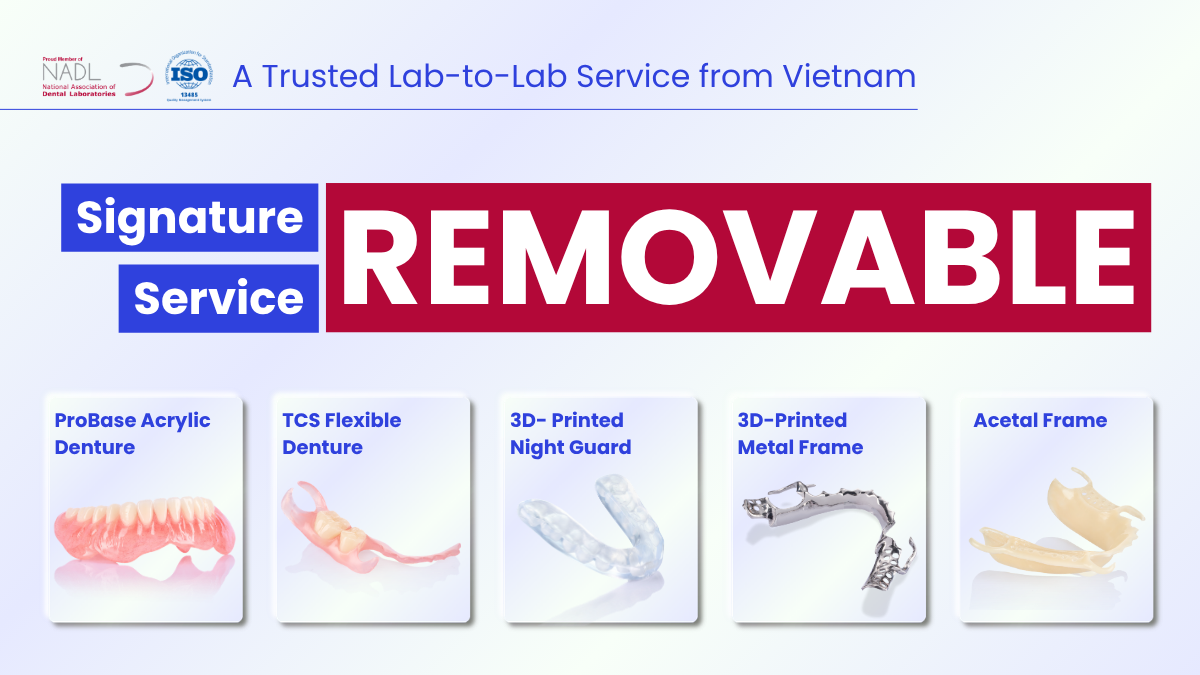
We are experts in Lab-to-Lab Full Service from Vietnam, with the signature services of Removable, meet U.S. market standards, FDA-registered, ISO 13485-certified. Founded in 2017, from local root to global reach, we scale with 2 Factories with over 100+ employees.
Our Commitments Built on “Trusted. Commitment. Quality”
- Commit to Large-Scale Manufacturing, high volume, remake rate < 1%.
- Commit to 5-Year Warranty
- Commit to Competitive Price
XDENT LAB | A Trusted Lab-to-Lab Service from Vietnam
Share this post:
Related Posts
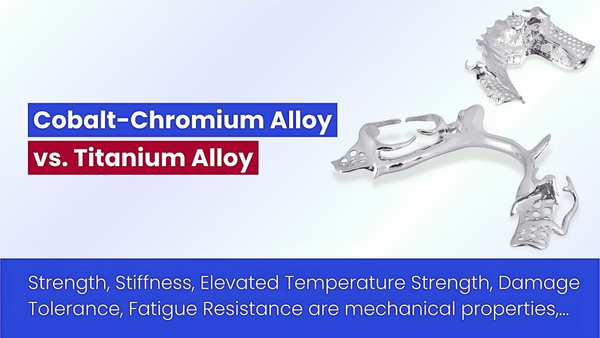
Learn the key differences between titanium and cobalt-chromium alloys used in removable partial denture frameworks, from mechanical properties to production requirements.
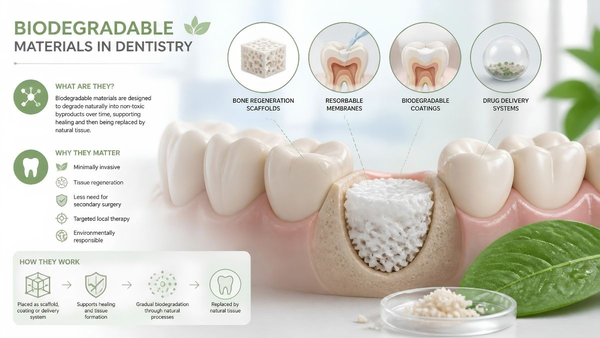
Explore biodegradable materials in dentistry, including their applications, benefits, limitations, and future potential in regenerative and sustainable dental care.
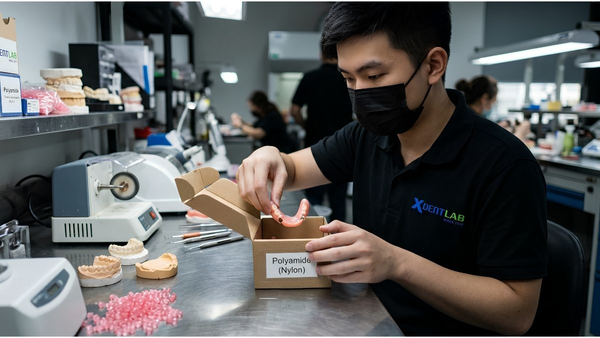
Learn how polyamide dental materials support flexible dentures and removable prosthetics through biocompatibility, aesthetics, comfort, and lightweight performance.

