
Explore aesthetic removable prosthetics materials and manufacturing methods, including dentures, RPDs, overdentures, digital workflows, and modern fabrication techniques.
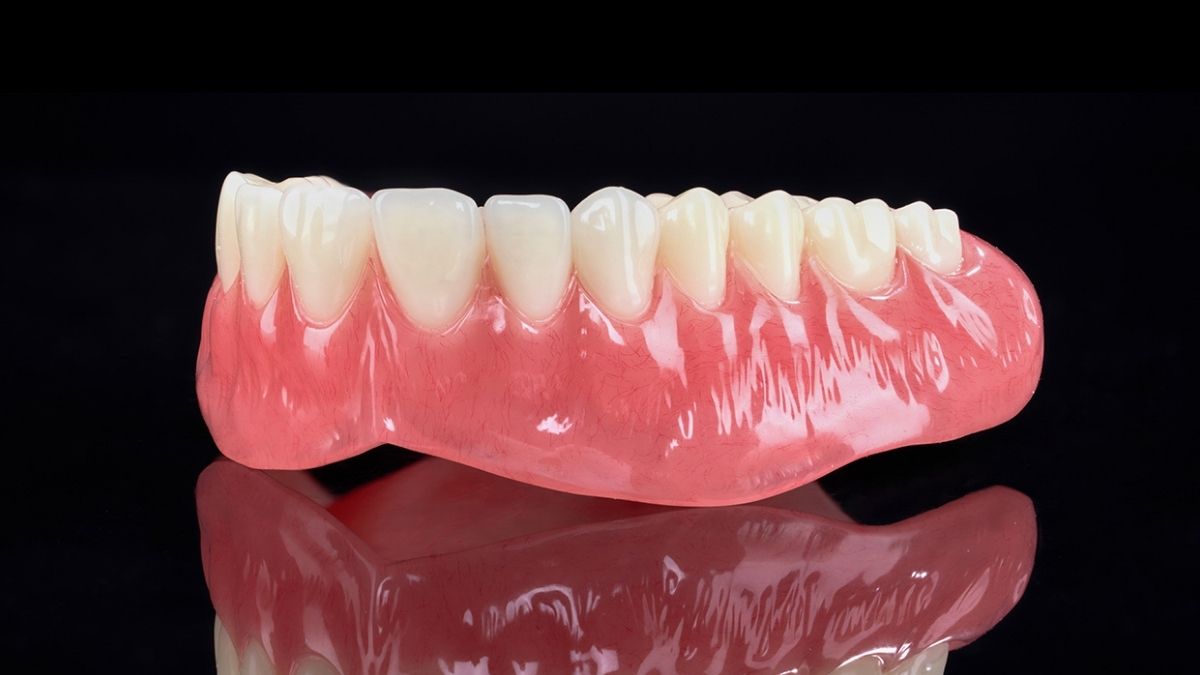
Table of contents [Show]
- What Are Aesthetic Removable Prosthetics?
- Main Types of Aesthetic Removable Prosthetics
- Materials Used in Aesthetic Removable Prosthetics
- Fabrication Techniques for Aesthetic Removable Prosthetics
- Advantages of Aesthetic Removable Prosthetics
- Challenges and Limitations
- Future Directions in Aesthetic Removable Prosthetics
- Why Aesthetic Removable Prosthetics Matter for Dental Labs and Outsourcing
- Key Takeaways
- References
Aesthetic removable prosthetics sit at the intersection of function, facial support, and patient confidence. In modern prosthodontics, removable appliances are no longer judged only by whether they replace missing teeth. They are also evaluated by how naturally they reproduce tooth form, gingival appearance, smile harmony, phonetics, and overall comfort. For dental practices, this means better patient acceptance and more predictable restorative outcomes. For dental laboratories, it means that removable prosthetic fabrication requires a deeper level of technical control over materials, shade integration, morphology, fit, retention, and finishing.
As patient expectations continue to rise, the demand for removable prosthetics that look natural and feel comfortable has expanded across complete dentures, removable partial dentures, overdentures, and flexible prosthetic solutions. At the same time, digital dentistry has reshaped how these appliances are designed and produced, improving reproducibility, communication, and manufacturing precision. This article provides a comprehensive overview of aesthetic removable prosthetics, including their definition, major types, material options, fabrication techniques, benefits, limitations, and future directions.
What Are Aesthetic Removable Prosthetics?
Aesthetic removable prosthetics are dental appliances designed to replace missing teeth while restoring function and maintaining a lifelike appearance. These appliances are removable by the patient and are used in cases ranging from partial edentulism to complete tooth loss.
Core Purpose of Aesthetic Removable Prosthetics
The purpose of these prosthetics extends beyond tooth replacement. They are designed to help restore chewing efficiency, speech clarity, vertical dimension support, lip and facial support, smile aesthetics, and patient confidence.
An aesthetic removable prosthesis must therefore perform well in both functional and visual terms.
Why Aesthetics Matter in Removable Prosthodontics
In removable prosthodontics, aesthetics involve more than selecting a tooth shade. Natural-looking results depend on tooth shape and arrangement, gingival contour and color, midline orientation, smile line harmony, buccal corridor support, facial profile integration, and material translucency and surface polish.
The difference between a prosthesis that replaces teeth and one that restores a smile often comes down to these details.
Main Types of Aesthetic Removable Prosthetics
Aesthetic removable prosthetics include several categories, each with distinct indications and design considerations.
Complete Dentures
Complete dentures are used when all teeth are missing in one arch or both arches.
They are designed to restore full arch tooth replacement, facial support, mastication, speech, lip fullness, and vertical dimension.
For complete dentures, aesthetics depend heavily on tooth selection, tooth arrangement, gingival characterization, incisal display, occlusal plane positioning, and flange contour.
Modern complete dentures aim to create a natural smile rather than an overly uniform or artificial appearance.
They are often fabricated using high-impact acrylic resin denture bases, acrylic or composite denture teeth, and characterized gingival resins for improved realism.
Removable Partial Dentures
Removable partial dentures, or RPDs, replace one or more missing teeth while preserving remaining dentition.
RPDs are often indicated when multiple teeth are missing, fixed treatment is not preferred or indicated, cost or anatomy limits implant options, or a removable solution provides the best balance of function and support.
Aesthetic RPD design focuses on reducing visible metal display and improving harmony with natural teeth. This may involve strategic clasp design, tooth-colored components in selected cases, better tooth arrangement, gingival contour adaptation, and material selection based on smile visibility.
RPDs may be made from cast metal frameworks, flexible thermoplastic materials, acrylic-based temporary or transitional designs, and advanced polymers such as PEEK in selected cases.
Overdentures
Overdentures are removable prosthetics supported by retained roots, natural teeth, or dental implants.
They are used to improve prosthesis stability, retention, patient comfort, masticatory efficiency, and preservation of supporting structures in selected cases.
Because overdentures often provide better stability than conventional removable appliances, they can improve smile confidence, lip support, border control, and functional consistency during speech and chewing.
Implant-supported overdentures are especially significant in contemporary prosthodontics because they combine removability with improved retention and patient satisfaction.
Flexible Dentures
Flexible dentures are made from thermoplastic materials such as nylon or polyamide-based resins.
They are often chosen for patients who need a metal-free option, cases with undercuts or irregular ridge anatomy, patients sensitive to rigid appliance feel, and certain aesthetic partial denture indications.
Flexible prosthetics may offer less visible clasps, gingiva-toned base material, better adaptation in some anatomies, and improved patient acceptance when aesthetics are a priority.
Despite their visual and comfort advantages, flexible dentures are not ideal for every case. Their indications should be evaluated carefully based on support, repairability, occlusion, and long-term function.
Materials Used in Aesthetic Removable Prosthetics
Material selection strongly affects comfort, appearance, durability, polishability, and long-term clinical performance.
Acrylic Resins
Acrylic resin remains one of the most widely used materials in removable prosthodontics.
Acrylic is valued for esthetic gingival reproduction, relative ease of processing, repairability, good cost-to-performance balance, and wide acceptance in complete and partial denture fabrication.
High-impact acrylics provide better fracture resistance, improved durability, suitability for long-term removable use, and better performance in full denture bases.
Acrylic resins can be pigmented and characterized to mimic soft tissue shades, helping create a more lifelike denture base.
Flexible Resins
Flexible resins such as polyamide are used in certain partial denture applications.
These materials offer flexibility, comfort, good tissue adaptation in selected cases, metal-free aesthetics, and reduced clasp visibility.
They may also present challenges related to polishing, relining, repair, long-term rigidity requirements, and case selection sensitivity.
Polyetheretherketone (PEEK)
PEEK is a high-performance polymer increasingly discussed in prosthetic dentistry.
PEEK offers biocompatibility, high mechanical strength, low weight, good patient tolerance, and favorable use in selected framework applications.
Although PEEK is not inherently identical to natural tooth color, it offers a more aesthetic alternative to visible metal in some framework situations and can support more discreet prosthetic designs.
PEEK may be used in removable partial denture frameworks, implant-related removable solutions, and selected high-performance prosthetic indications.
Hybrid Materials
Hybrid materials combine different material properties to improve overall prosthetic performance.
These systems aim to balance strength, flexibility, comfort, aesthetics, weight, and surface quality.
Hybrid approaches may be used in dual-material prostheses, combination removable designs, and appliances requiring different performance zones.
Denture Teeth Materials
The prosthetic base is only part of the aesthetic equation. Tooth materials also play a major role.
Artificial teeth may be made from acrylic, composite, or porcelain in selected cases.
Tooth selection should consider shade, translucency, surface texture, wear compatibility, anatomical form, and age-appropriate appearance.
A removable prosthesis can fail aesthetically even when the base fits well if the teeth look too opaque, too uniform, or too unlike the patient.
Fabrication Techniques for Aesthetic Removable Prosthetics
Fabrication methods influence precision, fit, aesthetics, and repeatability.
CAD/CAM Technology
CAD/CAM has transformed removable prosthetic design and manufacturing.
Digital design supports better standardization, improved fit consistency, faster case communication, file storage for remakes, controlled tooth arrangement, and more predictable base design.
CAD/CAM workflows can improve symmetry, tooth positioning, gingival contour design, and reproducibility of accepted setups.
For dental labs, this means fewer variables when cases become more complex.
3D Printing
3D printing is increasingly used in removable prosthetic workflows.
It may be used for printed models, try-in dentures, custom trays, denture bases in approved systems, and framework-related prototyping.
3D printing offers speed, repeatability, digital workflow integration, and reduced manual steps in selected phases.
The final result still depends on design quality, finishing, and case planning.
Traditional Methods
Conventional removable prosthetic fabrication remains clinically relevant.
Traditional methods usually involve physical impressions, wax rims, tooth setup in wax, flasking and processing, and finishing and polishing.
These methods remain useful because they allow high artistic control, are well understood by experienced technicians, support individualized denture characterization, and continue to serve many clinical environments effectively.
The best laboratories often combine conventional prosthetic craftsmanship with digital precision rather than treating them as competing methods.
Advantages of Aesthetic Removable Prosthetics
Aesthetic removable prosthetics provide both clinical and emotional benefits to patients.
Improved Appearance
They are designed to mimic natural teeth and gingival tissues, helping restore the smile and facial profile.
Enhanced Comfort
Modern materials and better adaptation can improve comfort, especially in patients with sensitive tissue or irregular ridges.
Restored Function
They help restore chewing, speech, and oral utility in both partial and complete edentulism.
Better Customization
Digital and material advances support more personalized prosthetic design.
Durable Outcomes
When fabricated with suitable materials and controlled workflows, removable prosthetics can provide dependable long-term use.
Challenges and Limitations
Despite significant advances, removable prosthetics still present clinical and technical limitations.
Cost Considerations
More aesthetic and digitally produced prosthetics may involve higher material cost, more design time, additional clinical records, and higher production complexity.
However, these factors may also improve patient satisfaction and reduce remakes.
Adaptation Period
Some patients need time to adapt to appliance bulk, new occlusion, altered speech, and functional changes in mastication.
This is especially relevant for new complete denture wearers.
Maintenance Requirements
Removable prosthetics require regular care to prevent staining, odor, biofilm accumulation, tissue irritation, and material deterioration.
Long-term success depends not only on fabrication quality but also on patient maintenance habits.
Bone Resorption and Fit Changes
Over time, alveolar ridge changes may affect retention, stability, border extension adaptation, and occlusal balance.
This is one reason periodic review, relining, rebasing, or replacement may become necessary.
Future Directions in Aesthetic Removable Prosthetics
The field is evolving through improvements in materials, manufacturing intelligence, and patient-centered design.
More Biocompatible Materials
Research continues into polymers that offer better tissue compatibility, improved strength, reduced weight, and enhanced aesthetic qualities.
Smarter Digital Workflows
The future of removable prosthetics will likely include AI-assisted design refinement, workflow automation, more accurate digital jaw relation transfer, and improved virtual tooth arrangement systems.
Sustainability
Manufacturing systems are gradually exploring material efficiency, reduced waste, and more responsible production methods.
Better Patient-Centered Outcomes
Future design priorities will continue to focus on comfort, natural appearance, faster turnaround, easier maintenance, and improved communication between clinic and lab.
Why Aesthetic Removable Prosthetics Matter for Dental Labs and Outsourcing
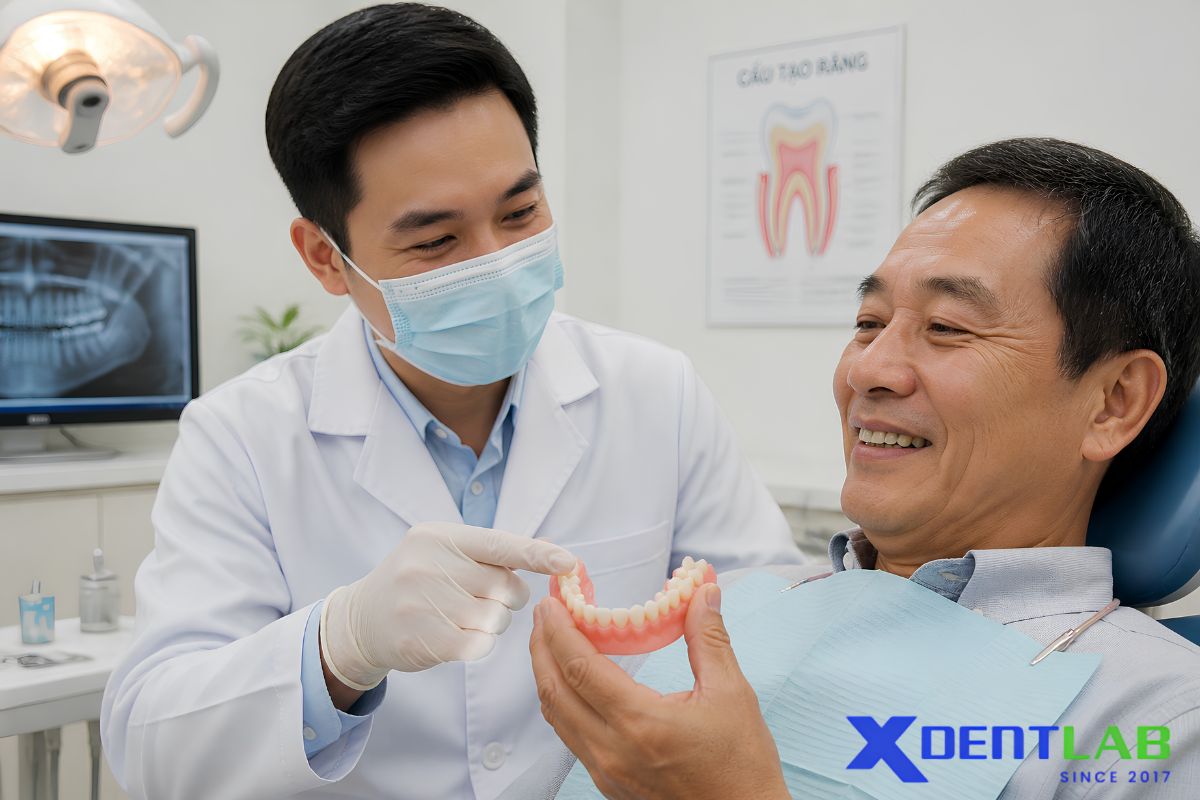
For dental laboratories, aesthetic removable prosthetics represent a category where technical precision and artistic execution must work together. The appliance must fit accurately, function predictably, and still look natural in the patient’s smile.
What Dental Practices Need from a Lab Partner
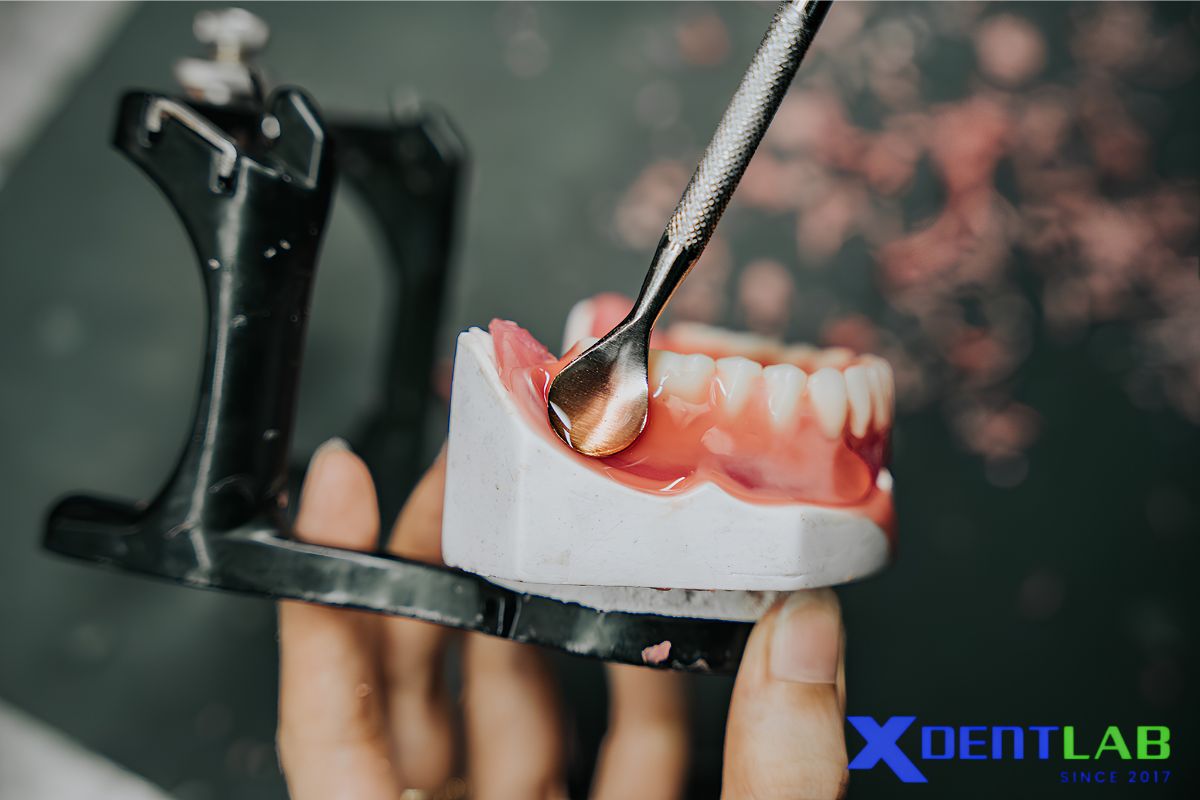
Practices need a laboratory that can deliver consistent quality, material expertise, shade and morphology control, reliable turnaround time, digital workflow compatibility, and strong communication for complex removable cases.
Relevance to XDENT LAB
For XDENT LAB, aesthetic removable prosthetics align directly with the company’s strengths in Removable & Implant, digital manufacturing, and lab-to-lab collaboration. As a Vietnam dental lab serving international partners, XDENT LAB supports dental practices through FDA and ISO-aligned production standards, skilled technicians, scalable manufacturing capacity, digital and conventional workflow support, and consistent case handling for removable prosthetic solutions.
In removable dentistry, aesthetics are never just cosmetic. They influence acceptance, confidence, and long-term treatment satisfaction.
Key Takeaways
Aesthetic removable prosthetics are designed to restore missing teeth while supporting natural appearance, oral function, and patient confidence. They include complete dentures, removable partial dentures, overdentures, and flexible removable solutions. Their success depends on the right combination of material selection, prosthetic design, fabrication workflow, fit, and aesthetic detailing.
Advances in acrylics, flexible resins, PEEK, hybrid materials, CAD/CAM, and 3D printing are reshaping the removable prosthetic landscape. For dental practices and laboratory partners, the key principle is clear: aesthetic removable prosthetics are most successful when clinical planning and manufacturing precision are closely aligned.
References
- Clinical Applications of PEEK in Removable Prosthetics - PMC
- Advanced Removable Prosthetics - AvaDent
- Aesthetics in Removable Partial Dentures - MDPI
- Esthetics in Total Removable Prosthodontics - Zerodonto
About XDENT LAB:
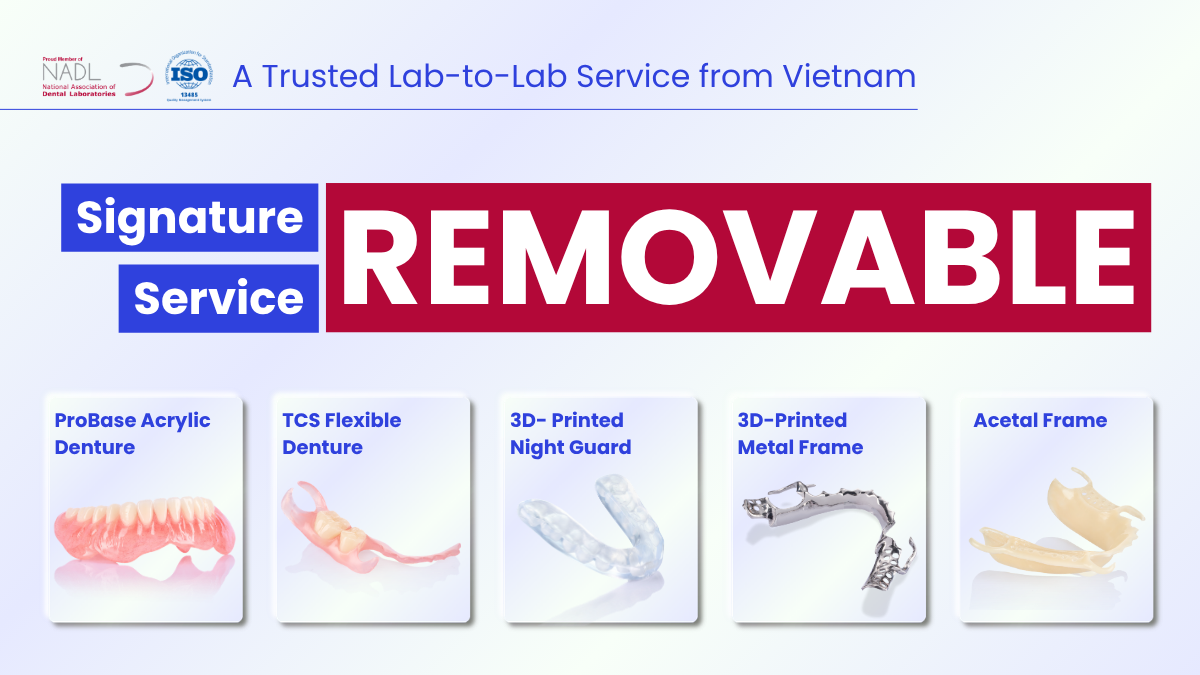
We are experts in Lab-to-Lab Full Service from Vietnam, with the signature services of Removable, meet U.S. market standards, FDA-registered, ISO 13485-certified. Founded in 2017, from local root to global reach, we scale with 2 Factories with over 100+ employees.
Our Commitments Built on “Trusted. Commitment. Quality”
- Commit to Large-Scale Manufacturing, high volume, remake rate < 1%.
- Commit to 5-Year Warranty
- Commit to Competitive Price
XDENT LAB | A Trusted Lab-to-Lab Service from Vietnam
Share this post:
Related Posts
Explore telescopic denture materials, retention designs and lab workflows, with practical guidance on fit, fabrication and maintenance for dental practices.
Materials used in fixed prosthodontics, from zirconia and lithium disilicate to alloys, with guidance on indications, bonding, workflows, and selection.
Learn how implant-retained overdentures rely on clinical planning, attachment selection, and laboratory QC for stable, predictable removable outcomes.

