
Explore the key components of screw-retained implant restorations, their functions, and how they work together to ensure stability, precision, and esthetics.
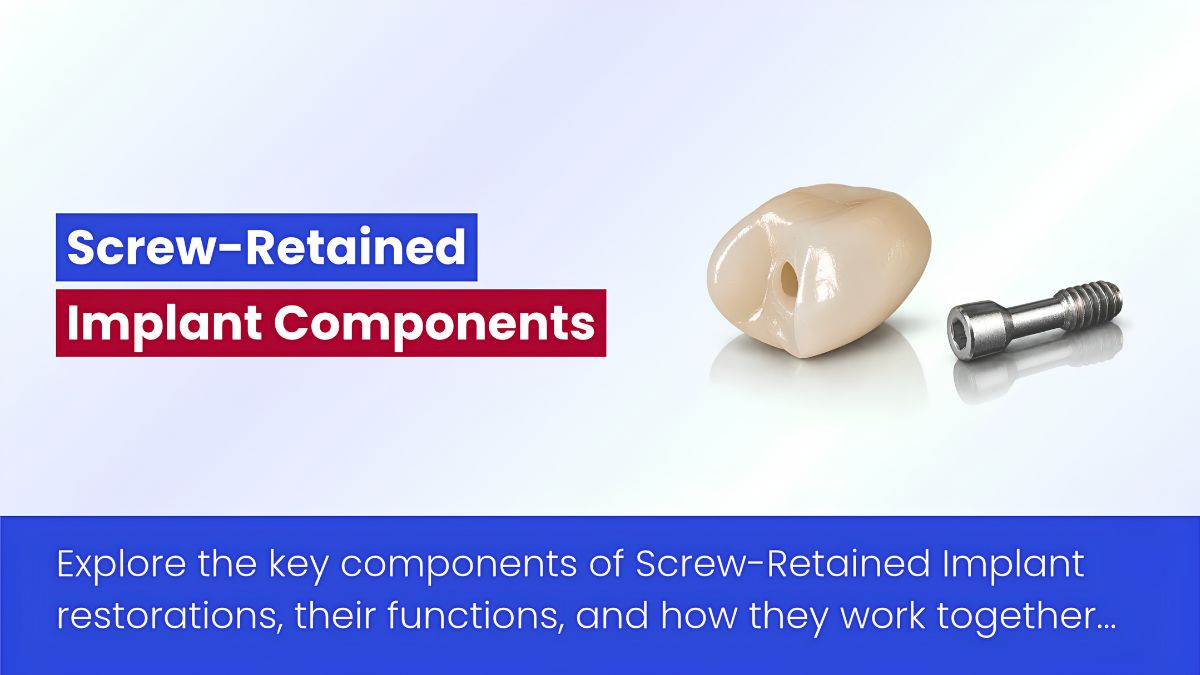
Table of contents [Show]
Understanding the structure and function of each component provides a clearer overview of how a screw-retained implant restoration is designed and functions. In this article, XDENT LAB will introduce the key components of screw-retained implant restorations, explain the role of each part, and describe how they work together to create a stable, precise, and aesthetically pleasing restoration.
What a Screw-Retained Implant Restoration is
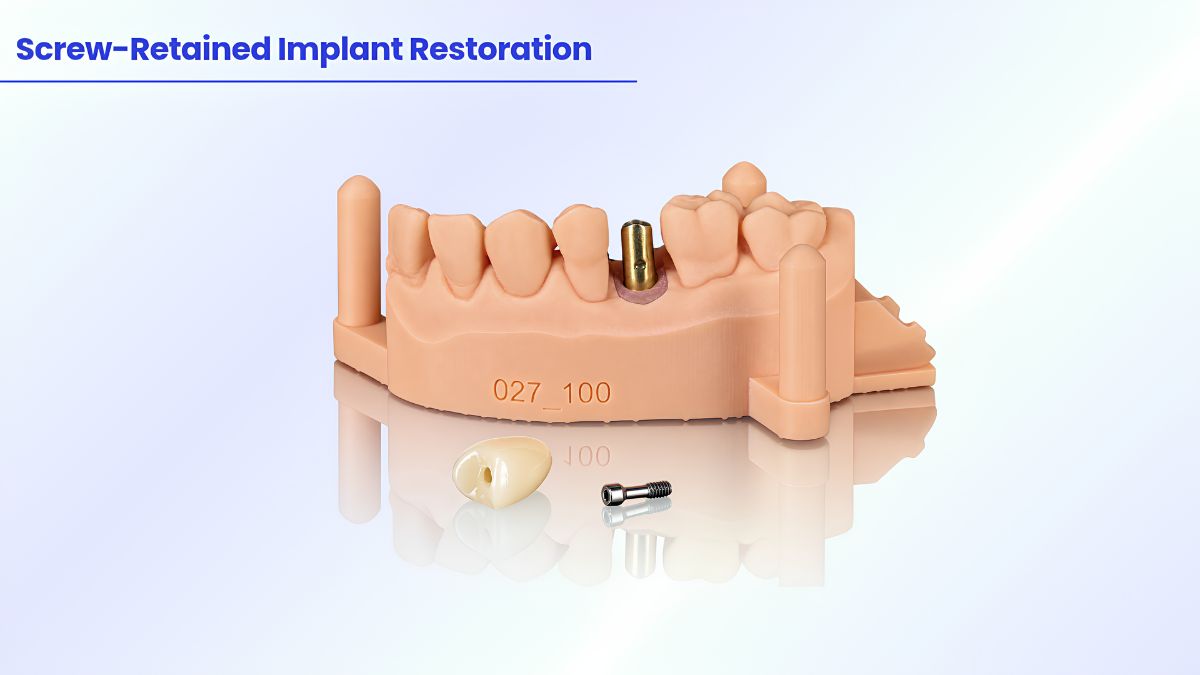
A Screw-Retained Implant Restoration is a restorative method in which a crown or bridge is secured to a dental implant using a Prosthetic Screw, rather than being permanently cemented in place with dental cement.
An Implant Fixture is a component, typically made of Titanium or Titanium alloy, that is surgically placed into the jawbone to replace a missing tooth root. Once the implant has integrated with the surrounding bone, it can serve as a foundation to support a crown or bridge.
In the screw-retained approach, the restoration is designed with a Screw Access Channel, allowing the dentist to insert and tighten the screw to secure the restoration. This ensures that the crown or bridge is firmly attached to the implant system while remaining retrievable when necessary.
Depending on the design, the restoration can connect directly to the Implant Fixture or through an intermediate component called an Abutment.
Read more: Screw-Retained Implant Crown Fabrication: From Scan to Final Restoration
Key Components of a Screw-Retained Implant Restoration
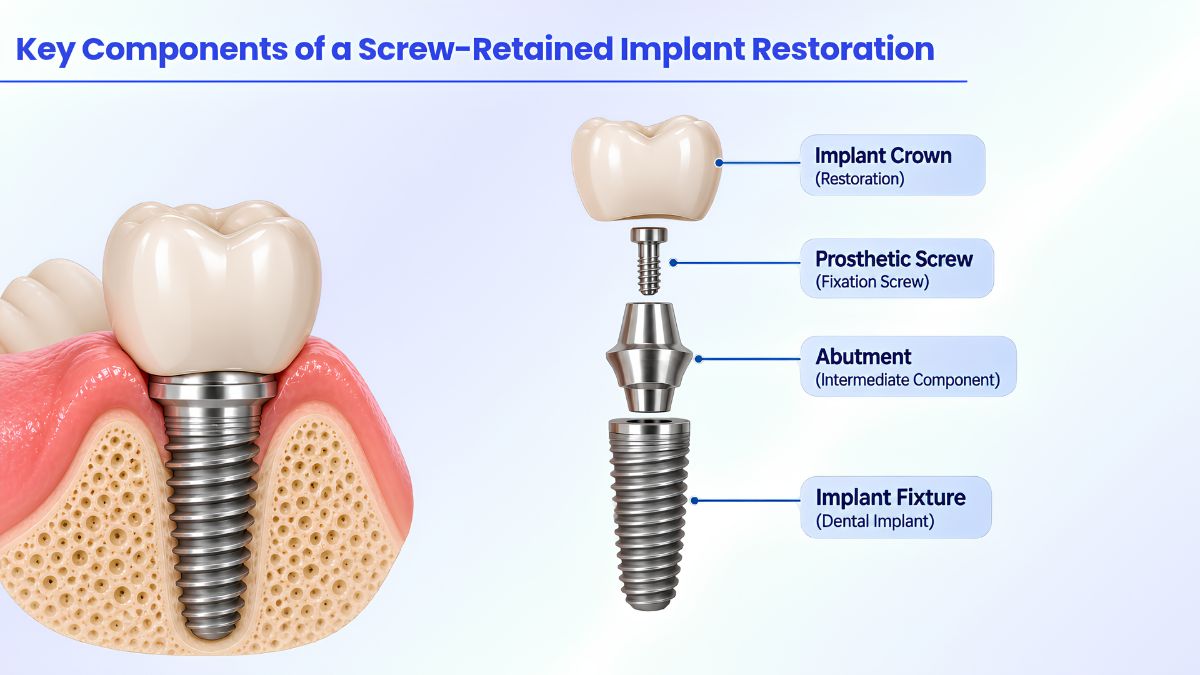
A screw-retained implant restoration consists of several interconnected components. Although each part may be relatively small, all of them contribute to the stability, function, and aesthetics of the final restoration.
Implant Fixture
The implant fixture is the component placed within the jawbone and serves as the foundation supporting the entire restoration. Most dental implants are manufactured from commercially pure titanium or titanium alloys because of their biocompatibility and suitability for use in the human body.
The upper portion of the implant fixture is designed with a connection interface that accommodates an abutment or other prosthetic components. This connection must be compatible with the corresponding components to ensure proper seating, fit, and stability.
Abutment
An abutment is an intermediate component that connects the implant fixture to the restoration above it. It provides support for the crown or bridge and helps shape the restorative contour as it emerges through the surrounding gingival tissue.
Abutments are available in various designs and materials. Some are prefabricated according to standardized dimensions, while others are custom-designed to accommodate the anatomical characteristics and restorative requirements of individual cases.
For cases requiring a more specific restorative design, a Customized Abutment can be individually fabricated to accommodate implant position, gingival contours, and the desired emergence profile. At XDENT LAB, we provide Customized Abutment solutions to support dental laboratory partners in selecting suitable designs for different implant restoration cases.
Implant Crown
An implant crown is the visible part of the restoration in the oral cavity. Its primary purpose is to replace the missing tooth by restoring its shape, aesthetics, and chewing function.
Common restorative materials include Zirconia, porcelain-fused-to-metal (PFM), and other dental ceramics. The choice of material depends on several factors, including tooth position, available restorative space, functional requirements, and esthetic expectations.
Unlike a conventional crown supported by a natural tooth, an implant crown is supported by the implant system. Its design must therefore account for the underlying implant connection and the requirements of the overall restoration.
Prosthetic Screw
The prosthetic screw is a small but essential component that secures the crown or abutment in the intended position. When tightened to the torque recommended by the implant manufacturer, the screw generates a clamping force that helps maintain a stable connection between the corresponding components.
The screw must be compatible with the specific implant or abutment system being used. Selecting an incorrect screw may compromise the connection and affect the mechanical stability of the restoration.
The recommended torque value varies depending on the implant system and component specifications. Therefore, the manufacturer's instructions should always be followed when tightening prosthetic screws.
Read more: Implant Restorations: Screw-Retained vs Cement-Retained
How These Components Work Together
The components of an implant restoration function as an integrated system rather than as independent parts. The Implant Fixture provides the foundation within the jawbone. If included in the design, the Abutment connects to the Implant and supports the crown. The Prosthetic Screw secures the corresponding components together. When the dentist tightens the screw, the restoration is firmly held in position. During daily activities such as chewing, forces applied to the crown are transmitted through the Abutment and Implant Fixture to the surrounding bone.
This is why the precision of each component is so important. Even when a crown offers excellent aesthetics, an inaccurate connection or poorly fitting components can still affect the performance of the entire restoration.
Why Each Component Matters
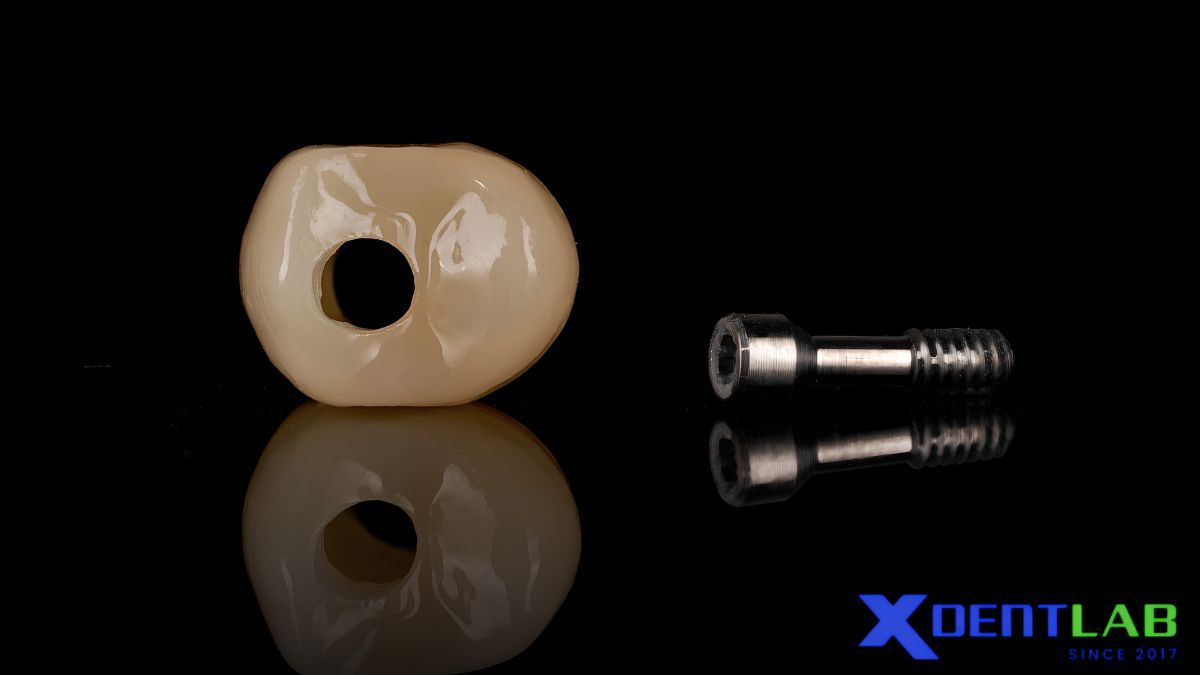
The success of an implant restoration depends on more than simply selecting a durable crown material. The implant connection structure, Abutment design, Prosthetic Screw, and crown must all work harmoniously together.
For example, the Abutment influences how the crown transitions through the gingival tissue. The screw helps maintain the connection between components, while the crown must have an appropriate shape, contact points, and occlusal surface.
Compatibility is another important factor. Components must be selected based on the exact Implant system and its corresponding connection design, rather than solely on their external appearance.
These requirements highlight the important role of the Dental Laboratory in completing implant restorations. An appropriate design must be combined with accurate component selection and a manufacturing process that is carefully controlled at every stage. This is also why dental clinics and laboratories need a manufacturing partner capable of meeting the specific requirements of each restorative case.
At XDENT LAB, we focus on providing implant restoration solutions such as Screw-Retained Crown & Bridge and Customized Abutment, supporting our partners in cases that require coordination between design, materials, and component precision.
Why Choose XDENT LAB for Screw-Retained Implant Restorations
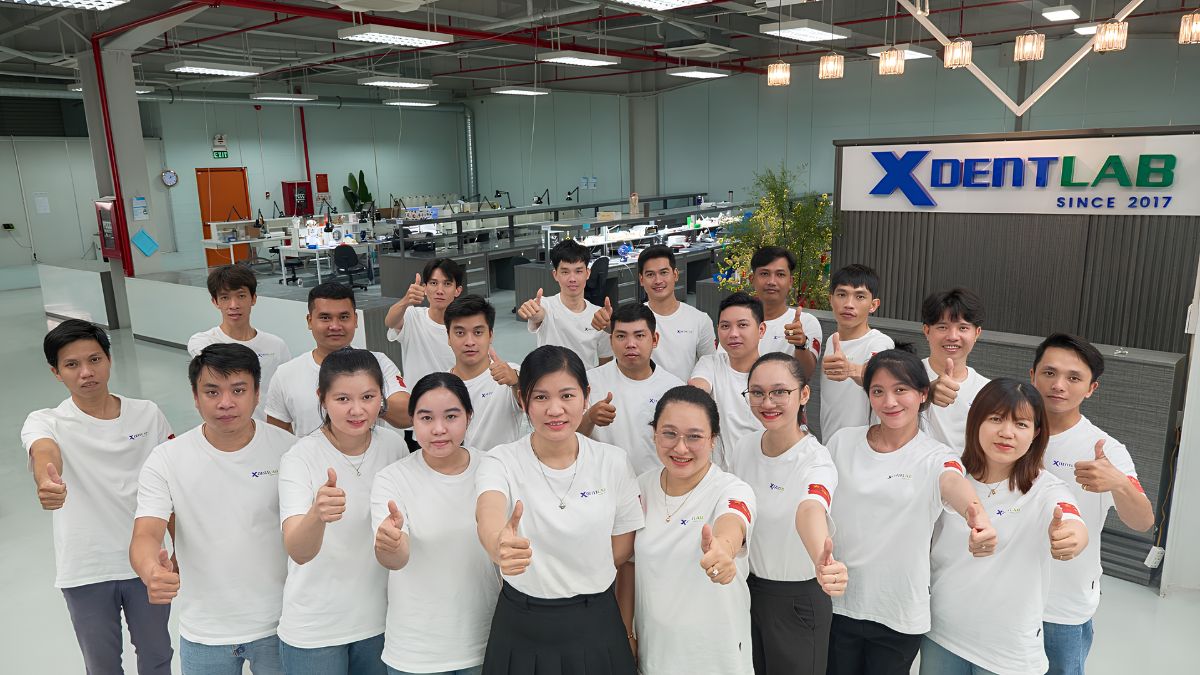
For dental laboratory owners, implant restorations require precise coordination between multiple components, from the Implant Fixture and Abutment to the crown and Prosthetic Screw. Selecting the correct components and ensuring compatibility between them are essential to completing a restoration that meets both functional and aesthetic requirements.
Working with a laboratory partner experienced in implant dentistry can help partner laboratories access restorative solutions suited to individual clinical indications. At XDENT LAB, we provide implant restoration solutions for partner laboratories. From Implant Crowns and Customized Abutments to screw-retained implant restorations, each product needs to be evaluated based on the Implant system, connection type, and specific restorative requirements.
As a Trusted Lab-to-Lab Service from Vietnam, XDENT LAB aims to support dental lab owners throughout the implant restoration process by providing customized restorative solutions and manufacturing workflows tailored to each clinical indication.
If you are looking for a laboratory partner for implant restoration cases, explore XDENT LAB's Implant Restoration solutions to learn more about our products and services.
Conclusion
Screw-retained implant restorations consist of multiple components, each serving a specific function while remaining closely interconnected. The Implant Fixture provides the supporting foundation, the Abutment connects and supports the restoration, the crown restores the shape and function of the missing tooth, and the Prosthetic Screw maintains the connection between the components.
Contact XDENT LAB to learn more about our implant restoration solutions for our partners.
References
U.S. Food and Drug Administration (FDA). Dental Implants: What You Should Know.
About XDENT LAB:
We are experts in Lab-to-Lab Full Service from Vietnam, with the signature services of Removable, meet U.S. market standards, FDA-registered, ISO 13485-certified. Founded in 2017, from local root to global reach, we scale with 2 Factories with over 100+ employees.
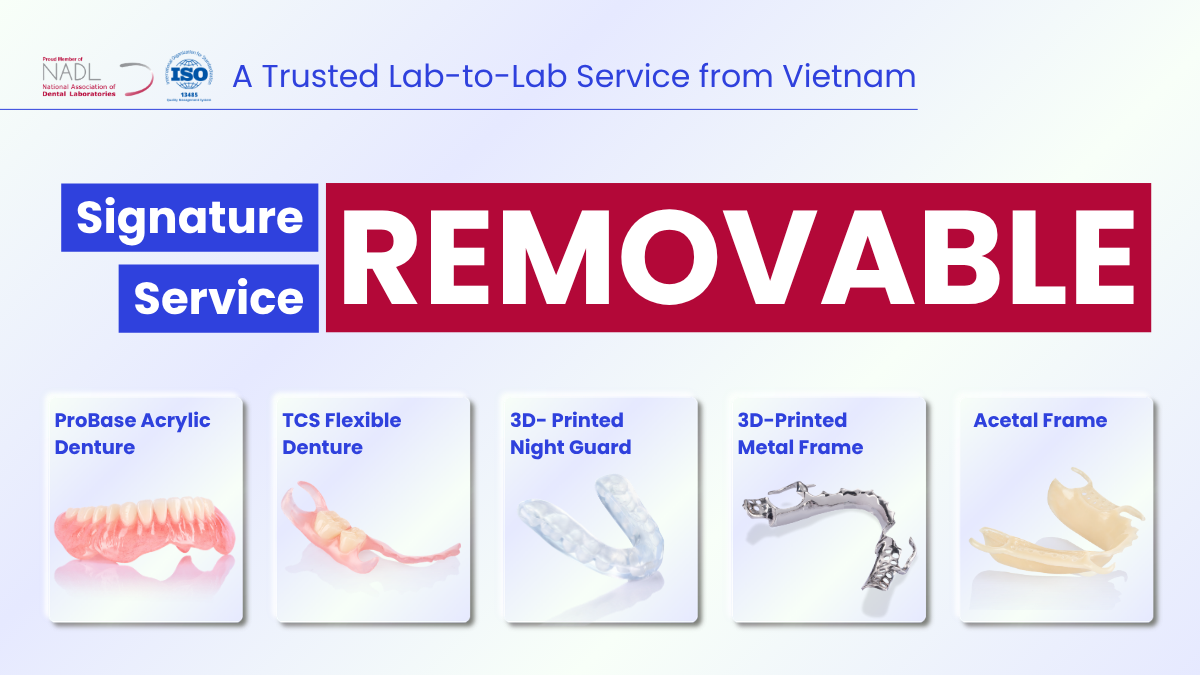
Our Commitments Built on “Trusted. Commitment. Quality”
- Commit to Large-Scale Manufacturing, high volume, remake rate < 1%.
- Commit to 5-Year Warranty
- Commit to Competitive Price
XDENT LAB | A Trusted Lab-to-Lab Service from Vietnam
Share this post:
Related Posts
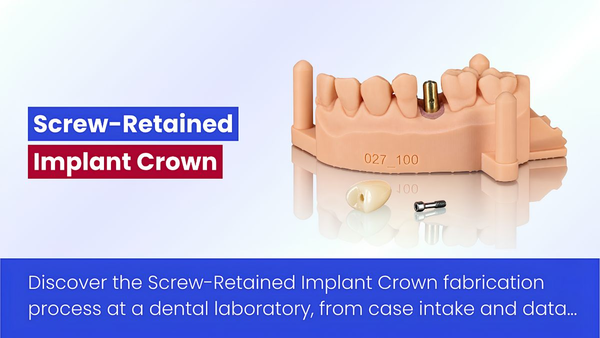
Discover the screw-retained implant crown fabrication process at a dental laboratory, from case intake and data verification to CAD design, material selection, milling, quality control, and final deli...
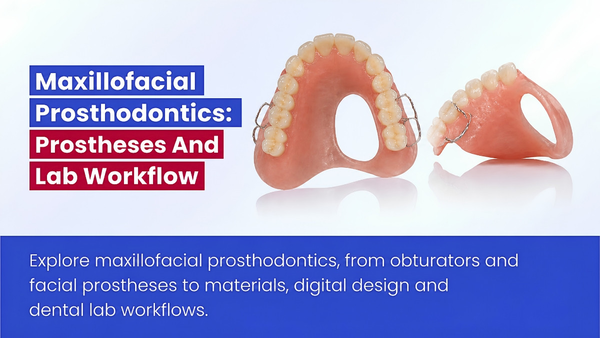
Explore maxillofacial prosthodontics, from obturators and facial prostheses to materials, digital design and dental lab workflows.
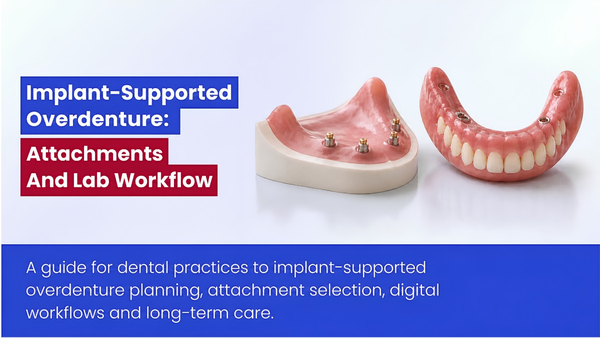
A guide for dental practices to implant-supported overdenture planning, attachment selection, digital workflows and long-term care.

