
Explore the denture manufacturing industry from market size and growth drivers to the technologies reshaping production. Learn how CAD/CAM, 3D printing, and hybrid workflows improve speed, fit, and reproducibility; compare PMMA, millable discs, and printable resins; and see efficiency, costs, challenges, and future trends—framed with FDA/ISO‑aligned practices from XDENT LAB.
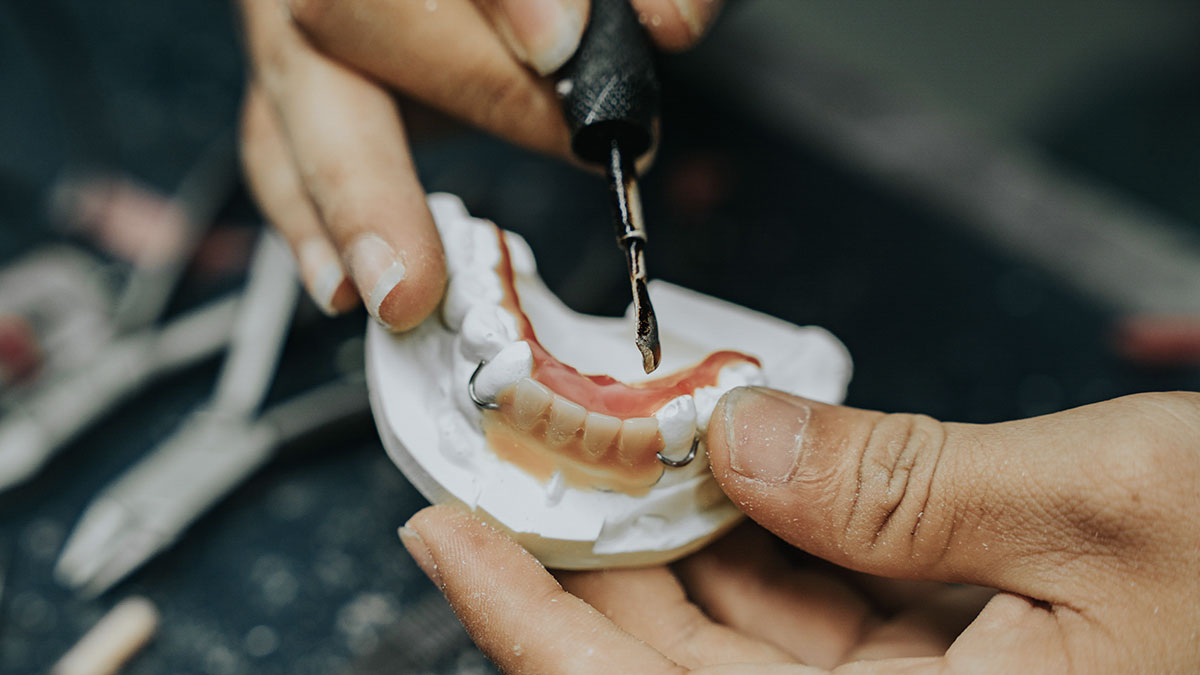
Table of contents [Show]
- Context & Scope
- Market Overview & Economic Significance
- Evolution of Manufacturing Technologies
- Materials Landscape
- Workflows: Conventional, Digital, Hybrid
- Efficiency & Economics
- Market Segmentation & Players
- Challenges & Limitations
- Future Trends & Innovations
- Clinical Impact & Patient Outcomes
- Education & Capability Building
- XDENT LAB Playbook (FDA/ISO-Aligned)
- Key Takeaways
Context & Scope
The Denture Manufacturing Industry is moving from artisanal, multi-visit workflows to validated, digital-first production. Inside the broader Dental Industry, demographics, aesthetics, CAD/CAM, and 3D printing now shape speed, fit, reproducibility, and scalability. This article outlines markets, technologies, materials, workflows, economics, and lab-partnership implications.
Market Overview & Economic Significance
Global Size & Growth
The Denture Manufacturing Industry is a multi-billion segment with accelerating digital adoption. North America and Europe lead, while APAC expands quickly on access and income growth. Demand follows edentulism, partially edentulous cases, and rising expectations for comfort and esthetics in the wider Dental Industry.
Core Growth Drivers
Aging populations sustaining the Denture Manufacturing Industry.
CAD/CAM and 3D printing improving precision, repeatability, and turnaround.
Higher patient expectations for natural esthetics and functional comfort across the Dental Industry.
Broader care access and prevention awareness, especially in fast-growing regions.
Evolution of Manufacturing Technologies
Traditional Methods
Impressions, master casts, wax try-ins, flasking, processing, and finishing have long defined the Denture Manufacturing Industry. These familiar steps are proven but require multiple visits, high technician skill, and careful control to limit variability.
Digital Transformation
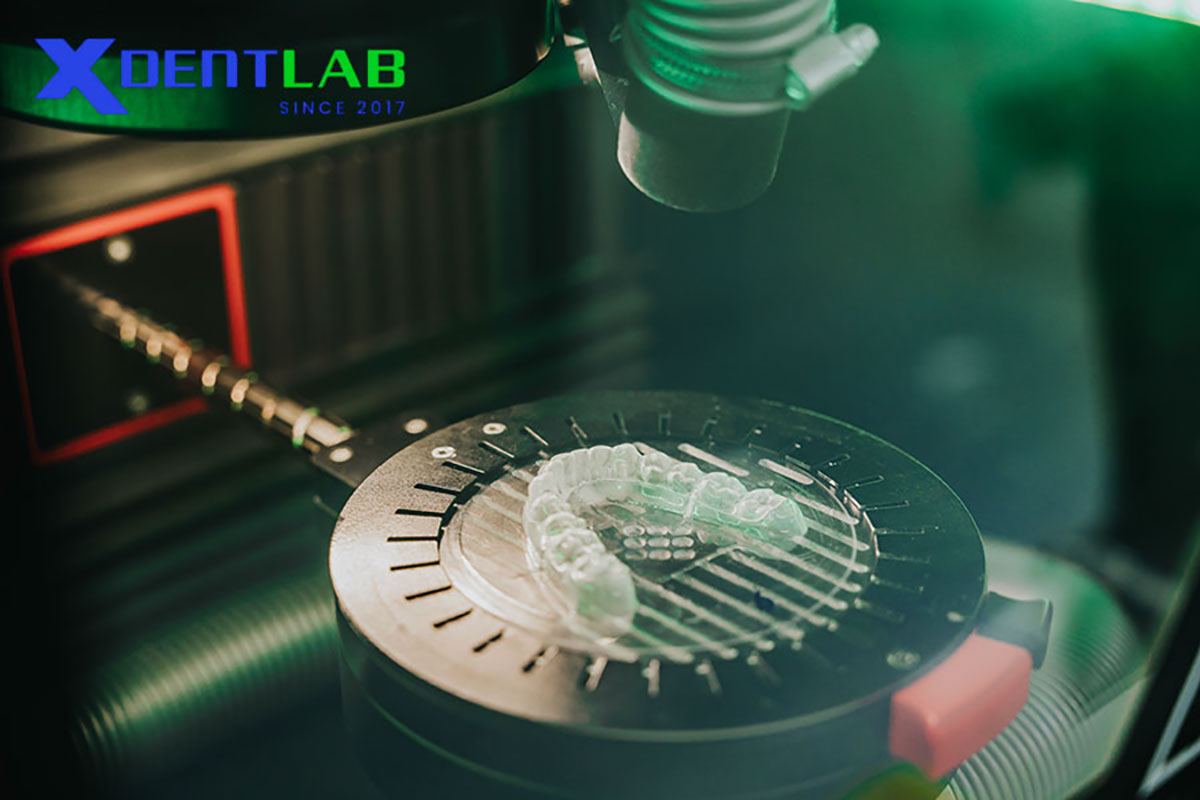
Model or intraoral scanning reduces distortion and remakes, CAD standardizes base and tooth setup, and CAM executes milling or printing. This standardization raises consistency and quality metrics across clinics and labs within the Dental Industry.
3D Printing Highlights
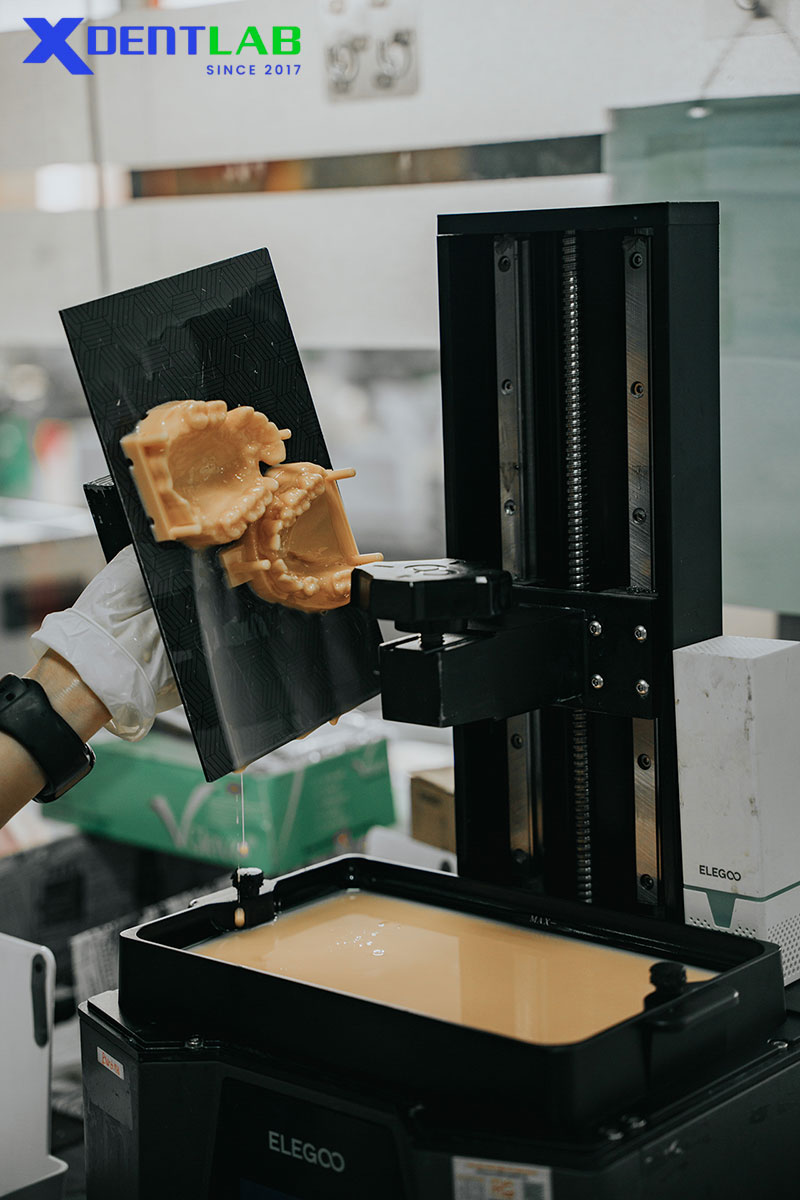
Validated printers, resins, and integrated software accelerate design-to-delivery. Batch production increases capacity, though post-processing and verification remain critical for predictable outcomes in the Denture Manufacturing Industry.
Materials Landscape
Conventional
Heat-cured PMMA and cross-linked acrylics offer cost-effectiveness, esthetics, and durability—benchmarks in the Denture Manufacturing Industry and enduring standards in clinical practice.
Digital-Ready
Millable PMMA discs provide dimensional stability; printable resins meet biocompatibility and mechanical targets; nanocomposites and high-performance polymers expand indications and enable lighter, stronger bases.
Workflows: Conventional, Digital, Hybrid
Conventional
Four to five patient visits with technician-dependent lab steps remain common in the Denture Manufacturing Industry for complex anatomies or preference-driven cases.
Partially Digital
Conventional impressions plus scanning and CAD design enable milling/printing with conventional finishing, bridging legacy and digital methods efficiently.
Fully Digital
Intraoral scanning, virtual jaw relations, and direct CAM can enable two-visit pathways for eligible cases, raising reproducibility and chair-time efficiency across the Dental Industry.
Hybrid Strategies
Printed try-ins validate esthetics and VDO/CR before definitive fabrication. Phased adoption preserves expertise while scaling throughput in the Denture Manufacturing Industry.
Efficiency & Economics
Time Efficiency
Optimized digital workflows can cut total timelines by 30–50% and reduce visits from 4–5 to 2–3, improving experience for patients and providers in the Denture Manufacturing Industry.
Cost Dynamics
While scanners, design software, mills, and printers require capex, per-unit labor and waste decline at scale. ROI improves with utilization, training, and standardized SOPs, benefiting multi-site operations within the Dental Industry.
Market Segmentation & Players
Segments
By type: complete, partial, implant overdentures, immediate, interim.
By material: acrylic, metal frameworks, flexible, ceramic, printed.
By process: conventional, CAD/CAM milling, 3D printing, hybrid.
By end-user: labs, clinics, hospitals, education/research in the Denture Manufacturing Industry.
Landscape
Traditional and digital labs, centralized manufacturing centers, equipment/material OEMs, and DSOs shape competition and standards, with platforms integrating design, production, and QA.
Challenges & Limitations
Technical
Accurate edentulous scanning, standardized VDO/CR capture, and long-term material performance remain priorities in the Denture Manufacturing Industry, especially for high-function cases.
Adoption & Regulatory
Capex, training, workflow integration, biocompatibility, validation, and QMS requirements guide measured adoption across the Dental Industry, emphasizing traceability and documented verification.
Future Trends & Innovations
Technology
Enhanced edentulous scanning protocols, AI-assisted setup, and multi-material printing are poised to elevate precision and throughput in the Denture Manufacturing Industry.
Materials & Models
Bioactive and antimicrobial resins, improved impact resistance, centralized production networks, and service-based models strengthen outcomes and scale.
Clinical Impact & Patient Outcomes

Experience
Fewer appointments, design previews, and reproducibility improve satisfaction, reinforcing the value of digital methods for the Denture Manufacturing Industry and modern care delivery.
Outcomes
Early evidence indicates comparable or improved fit and comfort; expanding long-term studies will clarify durability and maintenance intervals.
Education & Capability Building
Training
Curricula and continuing education emphasize digital impressions, CAD proficiency, materials science, and quality control—building workforce readiness across labs and clinics in the Denture Manufacturing Industry.
XDENT LAB Playbook (FDA/ISO-Aligned)
Standardized Digital SOPs
Validated scan protocols, risk-based selection for milling versus printing, and traceable batches support compliance and predictable quality in the Denture Manufacturing Industry.
Design & Manufacturing Excellence
Calibrated CAD libraries, printed try-ins, and indication-matched materials elevate predictability and reduce remakes.
Turnaround & Communication
Two-visit pathways for appropriate cases, portal-based approvals with 3D previews, and factory-scale capacity provide reliable timelines for multi-location practices within the Dental Industry.
Quality & Outcomes
Archived batch records, technician calibration, and remake analytics drive continuous improvement, forging reliable results across the Denture Manufacturing Industry.
Key Takeaways
Digital workflows are becoming the growth engine for the Denture Manufacturing Industry while enhancing consistency, speed, and patient satisfaction across the Dental Industry. Hybrid adoption balances accuracy and velocity, and standardized, validated processes at scale make lab-to-lab outsourcing a strategic advantage.
Share this post:
Related Posts
Explore how independent dental labs support dentistry through custom restorations, digital workflows, quality control, and material traceability.
Learn how B2B dental labs improve quality and consistency for dental practices through digital workflows, material control, expert QC, and reliable turnaround.
Learn how the dental lab subcontract model helps labs expand capacity, manage workloads, access technology, and maintain quality in outsourced production.

