
Compare Millable CAD/CAM milling and Analog/Injectable workflows for flexible partial dentures across cost, accuracy, speed, and repair ease.
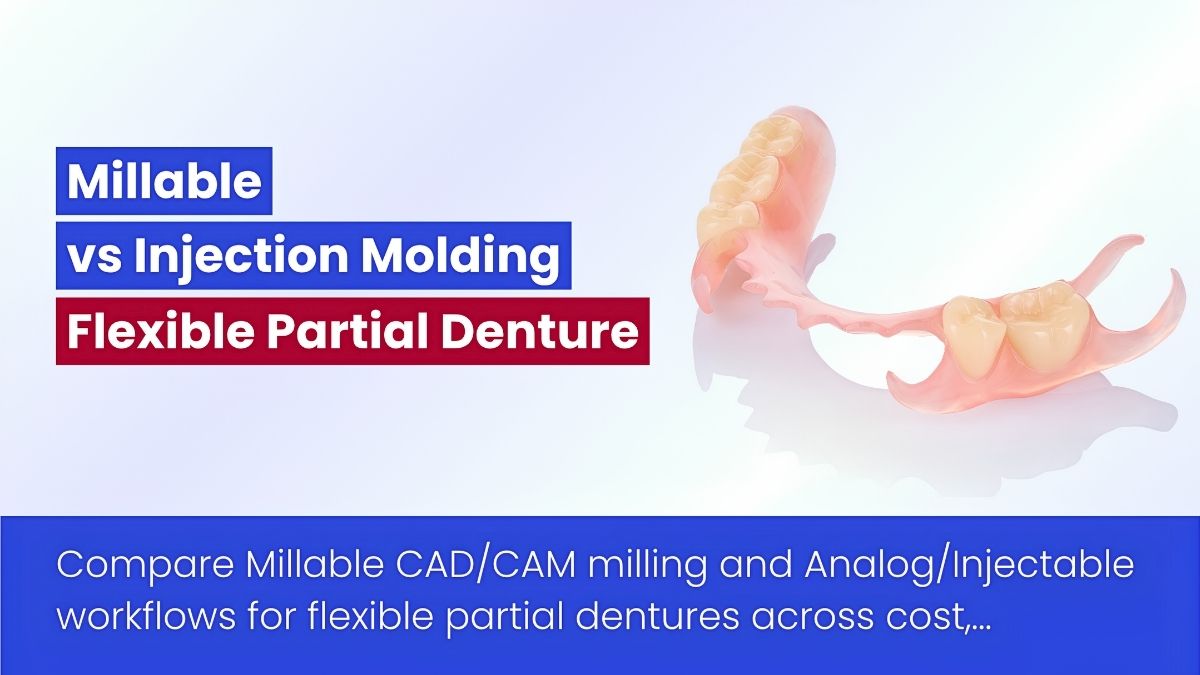
Table of contents [Show]
Flexible partial dentures are gaining popularity among dental clinics and labs for their natural aesthetics, strong adaptation to the oral tissue, and comfortable fit for patients. However, producing a high quality flexible partial requires choosing between two fundamentally different workflows: the Millable (CAD/CAM milling) process and the Analog/Injectable (traditional injection) process. Each workflow comes with its own strengths and limitations, suited to different lab sizes and clinical needs.
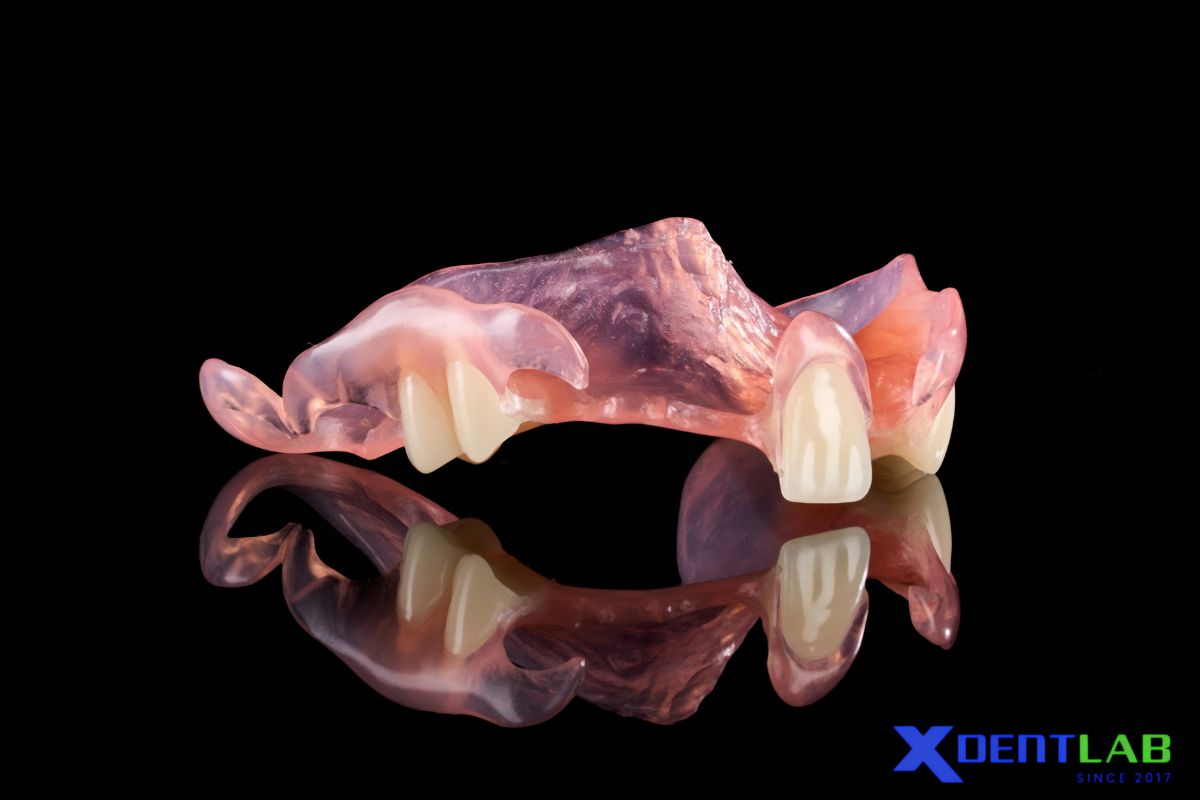
What Is the Analog/Injectable Workflow?
This is the conventional method that has been used in removable prosthodontics for decades. Technicians carry out manual steps including wax-up, plaster mold fabrication, flasking, and injecting nylon or flexible resin into the mold under controlled heat and pressure. Once the resin sets, the lab removes the flask, then trims and polishes the appliance by hand.
What Is the Millable (CAD/CAM) Workflow?
This workflow relies on digital design and milling technology. The cast is scanned or digitally captured, then designed using specialized CAD software. A dedicated flexible millable disc is loaded into a CNC milling machine, which cuts the framework or denture base according to the programmed design.
Detailed Comparison Table
Criteria | Millable (CAD/CAM) | Analog/Injectable (Traditional) |
| Consistency at the tooth neck area | Crisp, stable margins that stay consistent across units | Quality at the tooth neck can vary from case to case |
| Fit accuracy to the cast | Tracks the digital model almost perfectly, with minimal deviation | Depends on the accuracy of the plaster mold and the technician's skill |
| Finishing and polishing | Surface comes out of the mill already fairly smooth, shortening final processing | Requires more grinding and polishing effort to reach a finished look |
| Base thickness control | Fully even thickness thanks to pre-programmed parameters | Can vary unevenly across the appliance due to manual handling |
| Path of insertion | Calculated and locked in during the digital design stage | Adjusted by hand, with results dependent on experience |
| Material waste | Part of the disc is milled away and discarded as waste | More efficient, since resin is injected directly to match the mold |
| Design record storage | Digital files are easy to store and can be re-milled on demand | Requires keeping physical plaster models, which can be damaged or lost |
| Repair and remake capability | Just edit the design file and re-mill quickly | Requires repeating the entire process from scratch, taking more time |
| Need for duplicate models | Skipped entirely thanks to digital design data | Required before the injection step can take place |
| Oven, plaster bath, and flask | Eliminates the need for this equipment altogether | Remains a mandatory part of the production line |
| Production time | Significantly shortens processing time per case through automation | Takes longer due to the number of manual steps involved |
| Learning curve | Technicians need retraining to master the design software | Builds directly on the existing hands-on skills of experienced technicians |
| Investment cost | Requires substantial upfront capital for milling equipment and software licenses | Lower barrier to entry, more accessible for new or smaller labs |
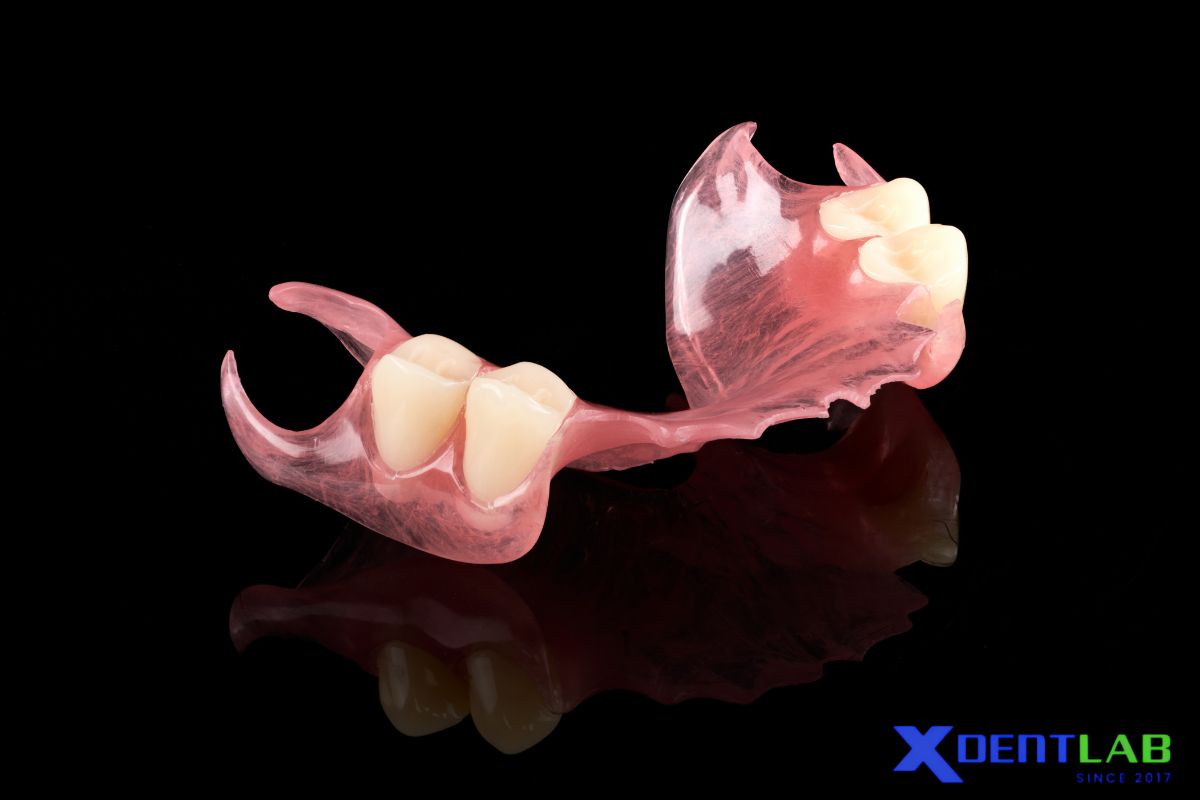
When Should You Choose the Millable Workflow?
This workflow suits labs that have already invested in CAD/CAM systems, handle high case volumes, and want to optimize production time while ensuring high precision and consistency across products. It is also a strong fit for labs aiming to reduce their dependence on individual technicians' manual skill.
When Should You Choose the Analog/Injectable Workflow?
This method is well suited to labs that have not yet adopted digital systems, that handle small to moderate case volumes, and whose technicians are already highly skilled in the traditional process. It remains a reliable option with a lower upfront investment.
Conclusion
Neither workflow is universally superior, the right choice depends on lab size, investment budget, and long term production goals. Many labs today are moving toward combining both workflows to capture the strengths of each, maintaining flexibility while improving the quality and output of flexible partial denture production.
About XDENT LAB:
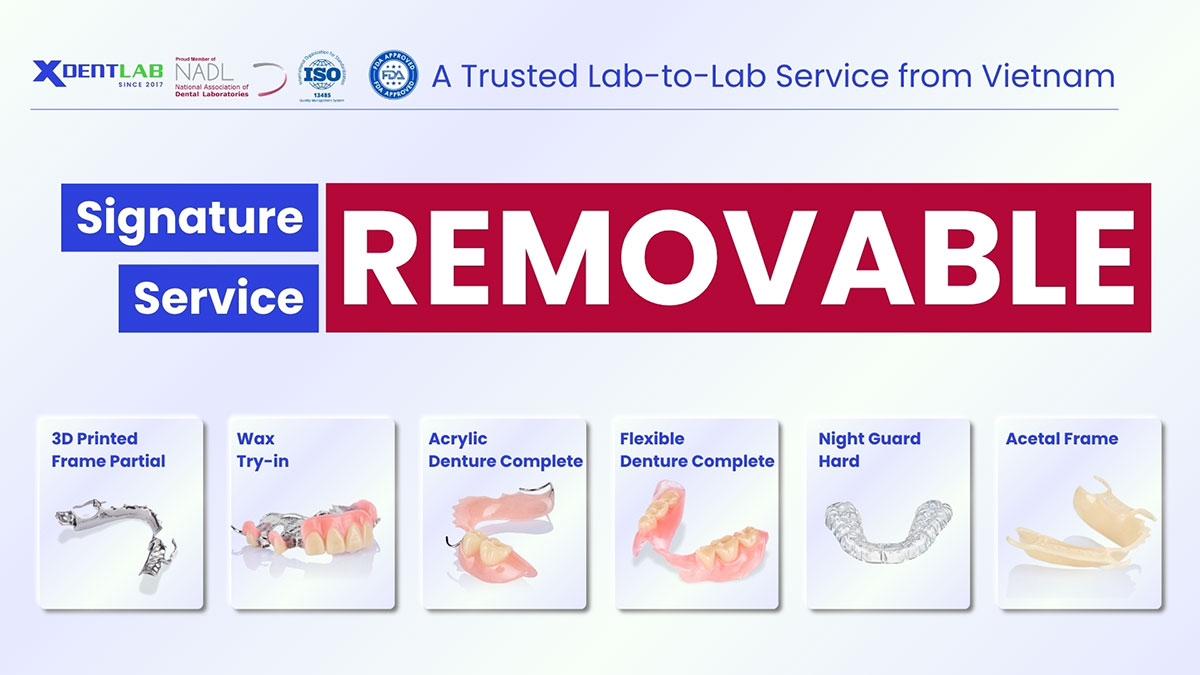
We are experts in Lab-to-Lab Full Service from Vietnam, with the signature services of Removable, meet U.S. market standards - approved FDA & ISO. Founded in 2017, from local root to global reach, we scale with 2 Factories with over 100+ employees.
Our 5 Commitments Built on “Trusted. Commitment. Quality”
- Commit to 100% FDA-Approved Materials
- Commit to Large-Scale Manufacturing, high volume, remake rate < 1%.
- Commit to 2~3 days in lab (*digital file)
- Commit to Cost Savings 30%
- Commit to Best Price
XDENT LAB | A Trusted Lab-to-Lab Service from Vietnam
Tags:
Technical & Manufacturing Millable Workflow Analog/Injectable Workflow Flexible Partial DentureShare this post:
Related Posts
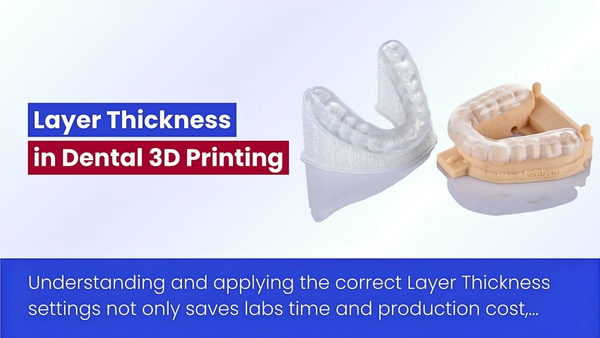
Understanding and applying the correct Layer Thickness settings not only saves labs time and production cost, but also ensures stable output quality for each specific type of dental product.
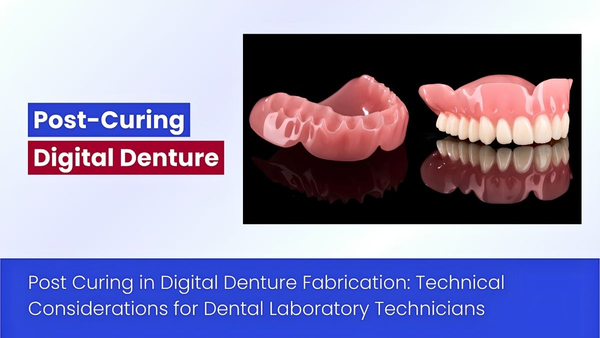
A technical guide to post curing in digital denture fabrication, helping dental lab technicians understand the parameters for consistent product quality.
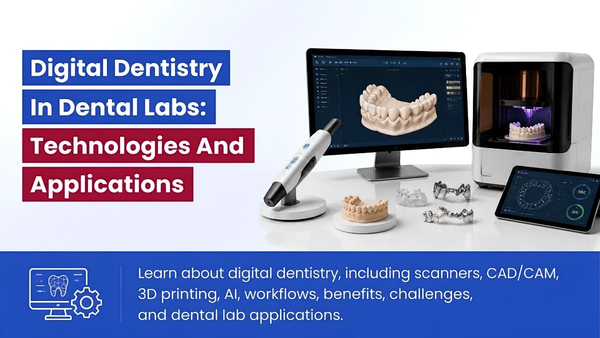
Learn about digital dentistry, including scanners, CAD/CAM, 3D printing, AI, workflows, benefits, challenges, and dental lab applications.

