
Discover how moisture‑tolerant dental sealants improve bond strength, cut microleakage, and boost retention—built under FDA/ISO controls by XDENT LAB.
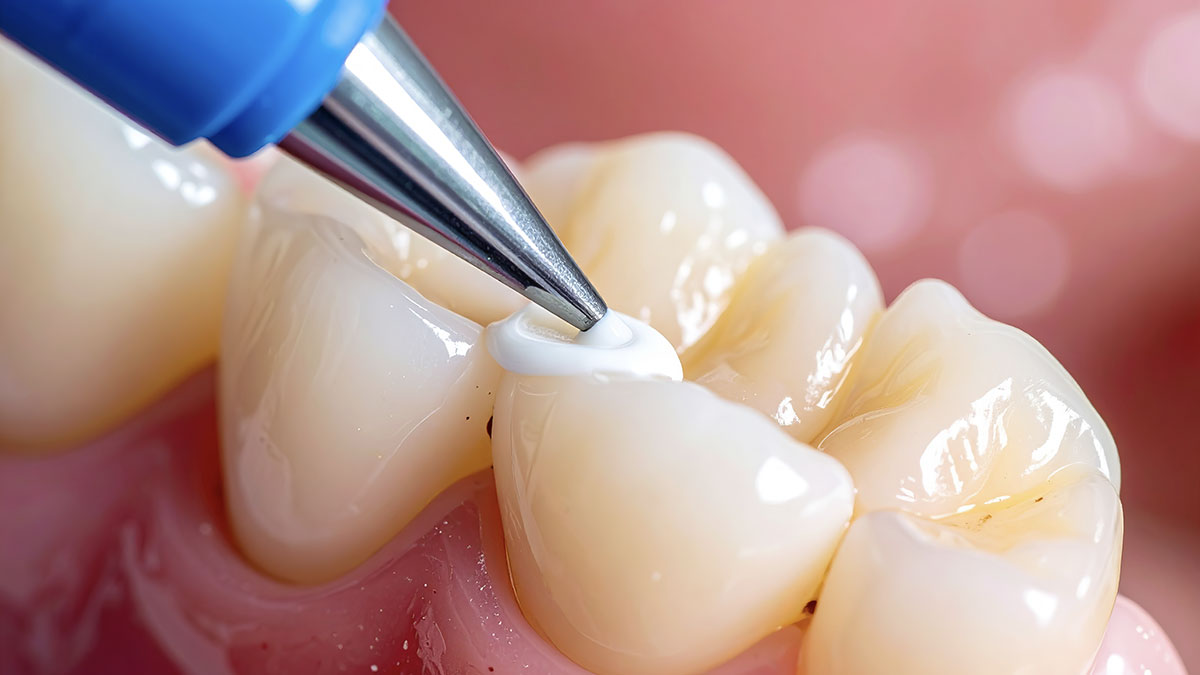
Table of contents [Show]
- Background on Dental Sealants
- The Challenge of Moisture Contamination
- Moisture‑Tolerant Formulations: Innovations and Mechanisms
- Clinical Performance and Evidence
- Current Commercial Products
- Clinical Recommendations
- XDENT LAB Perspective: Quality and Consistency for U.S.‑Standard Care
- Future Directions
- Summary for Practice Adoption
Moisture control can make or break a sealant. Hydrophilic, moisture‑tolerant formulations were created to bridge the gap between ideal isolation and real‑world dentistry—pediatric appointments, partially erupted molars, and community care. For dental practices partnering with XDENT LAB, the goal is predictable prevention: materials that bond reliably when the field isn’t bone‑dry, backed by FDA/ISO‑aligned manufacturing and clear clinical protocols.
Background on Dental Sealants
Dental sealants are preventive materials placed on occlusal surfaces to seal pits and fissures, stopping biofilm colonization and reducing caries risk. Conventional resin sealants are hydrophobic and technique‑sensitive, requiring near‑perfect dryness for optimal bonding and long‑term retention. This ideal is not always achievable in everyday practice, particularly with children or in outreach settings.
The Challenge of Moisture Contamination
Residual saliva or moisture compromises enamel wettability and inhibits resin infiltration, increasing microleakage and reducing retention. Problem scenarios include:
Pediatric dentistry with limited cooperation.
Partially erupted first or second molars.
Deep, narrow pits and fissures that trap moisture.
Mobile and school‑based programs with limited isolation tools.
The clinical consequence is higher failure and remake rates when conventional hydrophobic sealants are used in suboptimal isolation.
Moisture‑Tolerant Formulations: Innovations and Mechanisms
Hydrophilic Monomers
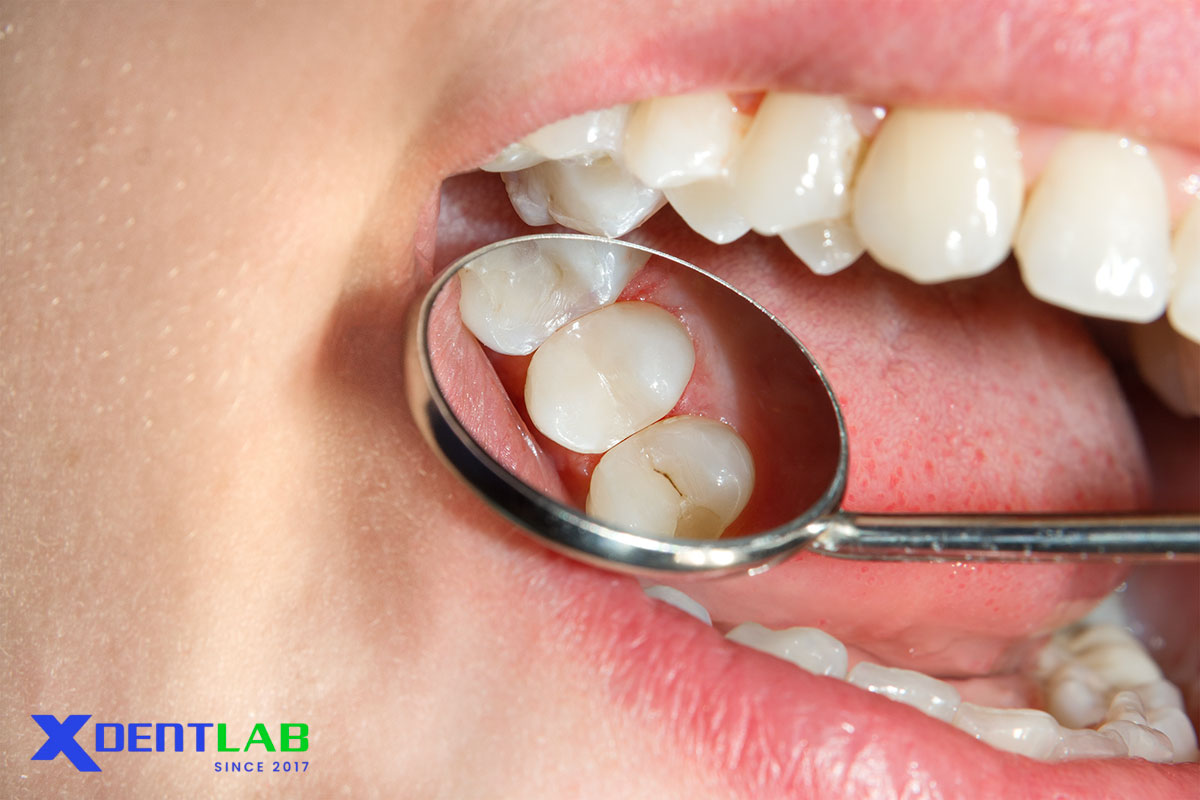
Modern formulations leverage polar, hydrophilic monomers to improve wetting and resin penetration in moist environments while still forming a durable polymer network after curing.
Modified HEMA: Enhances wettability and enamel infiltration in slightly moist conditions.
GPDM: Functional acidic monomer that can promote adhesion and demineralize lightly.
MDP: Phosphate‑functional monomer capable of chemical interaction with hydroxyapatite for enhanced bond stability.
Key design principle: initial hydrophilicity for placement, transitioning toward more hydrophobic behavior post‑cure for long‑term stability.
Self‑Etching and Self‑Adhesive Technologies
Certain moisture‑tolerant systems incorporate self‑etching or self‑adhesive chemistries that:
Reduce the number of clinical steps and technique sensitivity.
Use acidic functional monomers active in slightly moist environments.
Create micromechanical retention without requiring complete desiccation.
Glass ionomer (GI) and resin‑modified GI sealants bring inherent moisture tolerance and fluoride release.
GI sealants: Chemical bonding to tooth structure and hydrophilic placement, with sustained fluoride release.
RMGI sealants: Hybrid benefits—improved early strength and wear resistance over GI with retained moisture tolerance.
Porosimetric and Advanced Wetting Approaches
Some advanced formulations engineer controlled micro‑porosity and surface energy to:
Displace moisture more effectively during placement.
Improve adaptation to complex fissure anatomy.
Support deeper resin infiltration before polymerization.
Clinical Performance and Evidence
Across in vitro and clinical studies, moisture‑tolerant sealants demonstrate:
Higher bond strength than hydrophobic controls on slightly moist and saliva‑contaminated enamel; parity on dry enamel.
Lower microleakage under moisture after thermocycling, indicating a more stable marginal seal.
Comparable retention to conventional resins under ideal conditions and better real‑world success where isolation is compromised.
Operational benefits in pediatric and public health settings—fewer failures, faster placement, and reduced technique sensitivity.
Current Commercial Products
Embrace™ WetBond™ (Pulpdent): Hydrophilic, self‑adhesive sealant designed for moist placement.
UltraSeal XT® hydro™ (Ultradent): Hydrophilic, filled resin with moisture‑tolerant chemistry and optimized viscosity.
Fuji VII® (GC): GI‑based sealant with high fluoride release and strong moisture tolerance.
Clinpro™ Moisture Tolerant Sealant (3M): Resin‑based system designed to improve placement in less‑than‑ideal isolation.
Clinical Recommendations
Technique Guidance
Preparation: Clean with pumice; rinse thoroughly. Remove obvious debris from pits and fissures.
Isolation: Aim for relative isolation; avoid overdrying. Slightly moist, frosted enamel is preferred for hydrophilic systems.
Etch or Self‑Etch: Follow the specific product protocol (phosphoric acid etch or self‑etch chemistry).
Placement: Apply with controlled flow; allow brief wetting time for penetration; avoid pooling.
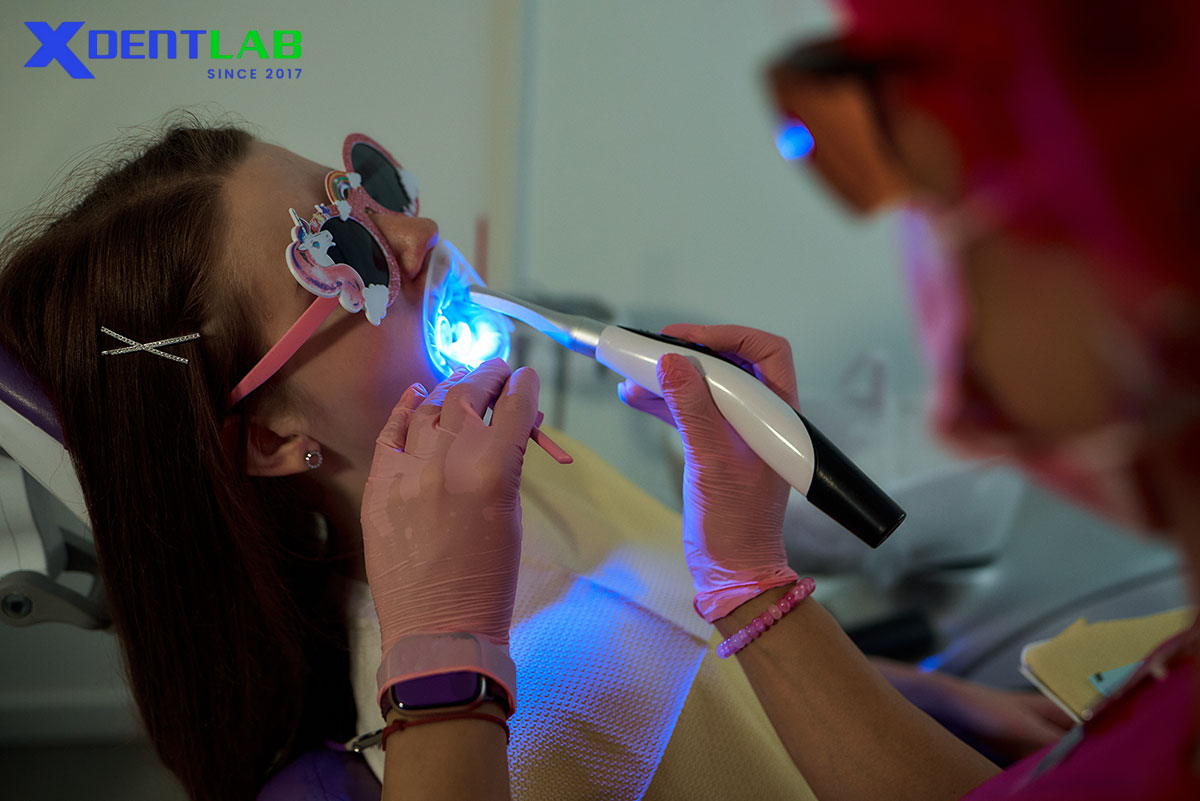
Curing: Light‑cure per IFU with a verified output; check and adjust occlusion; inspect margins.
When to Prefer Moisture‑Tolerant Sealants
Pediatric patients and partially erupted molars.
Uncooperative or special needs patients.
Field, school‑based, or mobile programs.
Deep/narrow fissures with inherent moisture retention.
Moisture‑tolerant systems reduce technique sensitivity and support higher first‑pass success. Optimal moisture control should still be pursued to maximize longevity.
XDENT LAB Perspective: Quality and Consistency for U.S.‑Standard Care
Why This Matters to Dental Practices
Predictable outcomes: Better bonding in moist fields reduces reseal appointments and chair time.
Population health alignment: Strong fit for pediatric and public health programs where ideal isolation is challenging.
Compliance and traceability: FDA/ISO‑aligned documentation, batch genealogy, and audit‑ready controls.
Manufacturing and QC Principles at XDENT LAB
Process controls: Validated mixing, temperature/humidity, degassing, and filling accuracy with SPC and Cpk > 1.33 guardrails.
Lot release tests: Bond strength by condition (dry, moist, saliva), penetration depth, and thermocycled microleakage with defined acceptance criteria.
Post‑market surveillance: 6/12/24‑month retention tracking and CAPA‑driven iteration.
Future Directions
Material Innovations
Next‑generation hydrophilic monomers with lower water sorption.
Bioactive and remineralizing additives (e.g., bioactive glass).
Adaptive or smart matrices responsive to pH and moisture.
Self‑healing resin networks to extend service life.
Summary for Practice Adoption
Moisture‑tolerant sealants perform on par with conventional resins in dry fields and outperform them when isolation is less than perfect. They reduce technique sensitivity, improve efficiency in pediatric and outreach settings, and help practices deliver consistent preventive care. With XDENT LAB’s FDA/ISO‑aligned controls and lab‑to‑lab service model, dental teams can adopt these materials confidently, knowing the product and process are engineered for reliability and traceability at scale.
About XDENT LAB:
We are experts in Lab-to-Lab Full Service from Vietnam, with the signature services of Removable, meet U.S. market standards, FDA-registered, ISO 13485-certified. Founded in 2017, from local root to global reach, we scale with 2 Factories with over 100+ employees.
Our Commitments Built on “Trusted. Commitment. Quality”
- Commit to Large-Scale Manufacturing, high volume, remake rate < 1%.
- Commit to 5-Year Warranty
- Commit to Competitive Price
XDENT LAB | A Trusted Lab-to-Lab Service from Vietnam
Share this post:
Related Posts
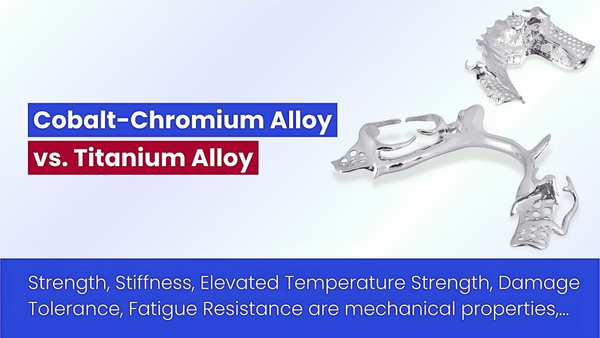
Learn the key differences between titanium and cobalt-chromium alloys used in removable partial denture frameworks, from mechanical properties to production requirements.
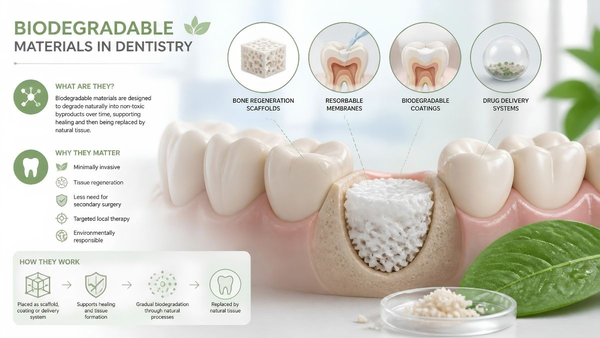
Explore biodegradable materials in dentistry, including their applications, benefits, limitations, and future potential in regenerative and sustainable dental care.
Learn how polyamide dental materials support flexible dentures and removable prosthetics through biocompatibility, aesthetics, comfort, and lightweight performance.

