
Learn about dental frameworks, including materials, types, applications, fabrication methods, benefits, and challenges in modern prosthetic dentistry.
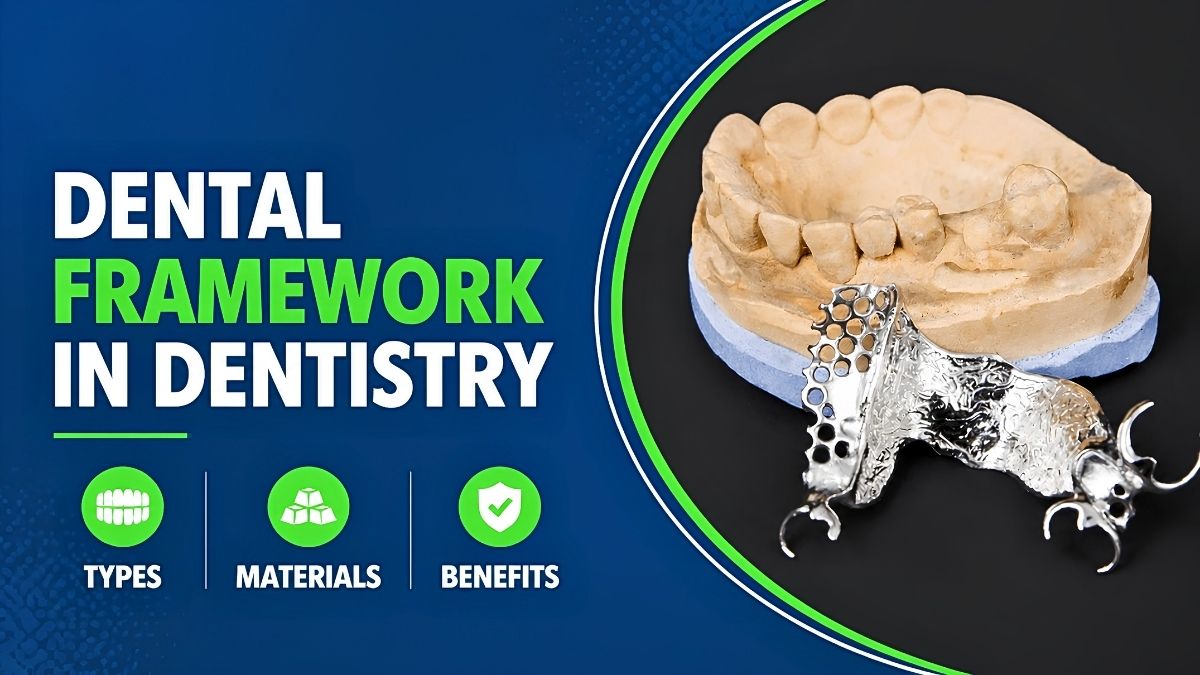
Table of contents [Show]
- What is a dental framework?
- Types of dental frameworks
- Materials used in dental frameworks
- Applications of dental frameworks
- Fabrication techniques
- Advantages of modern dental frameworks
- Challenges and limitations
- Future directions in dental frameworks
- Why dental frameworks matter for lab-to-lab outsourcing
- Key takeaways
- References
Dental frameworks are the structural foundation behind many successful prosthetic restorations. Whether used in removable partial dentures, fixed bridges, or implant-supported full-arch cases, the framework determines how well a restoration performs in terms of strength, fit, stability, longevity, and force distribution. In modern dentistry, framework selection is no longer just a technical choice. It affects aesthetics, patient comfort, digital workflow compatibility, and long-term clinical predictability.
For dental practices and laboratory partners, understanding dental frameworks means understanding the hidden architecture that supports restorative success. Different materials such as cobalt-chromium, titanium, zirconia, and high-performance polymers each bring distinct advantages and limitations. At the same time, digital manufacturing methods such as CAD/CAM milling and 3D printing are changing how frameworks are designed, fabricated, and quality-controlled. Below is a comprehensive overview of dental frameworks, including their definition, types, materials, applications, fabrication methods, benefits, limitations, and future direction.
What is a dental framework?
A dental framework is the internal supporting structure of a dental prosthesis. It acts as the base that carries restorative components such as denture bases, artificial teeth, veneering materials, or implant superstructures.
Core structural role
In prosthetic dentistry, frameworks are essential because they provide strength and rigidity, support functional loading during mastication, help ensure retention and stability, transfer forces to teeth, soft tissues, or implants, and maintain the shape and integrity of the restoration over time.
A framework may remain hidden within the restoration, but it largely determines whether the final prosthesis performs well clinically.
Why frameworks matter
A well-designed framework helps reduce complications such as fracture or deformation, poor fit, excessive stress on abutment teeth, implant overload, instability during function, and poor patient adaptation.
In short, if the framework fails, the prosthesis usually follows.
Types of dental frameworks
Dental frameworks vary based on the prosthesis type, support system, and intended function.
Removable partial denture frameworks
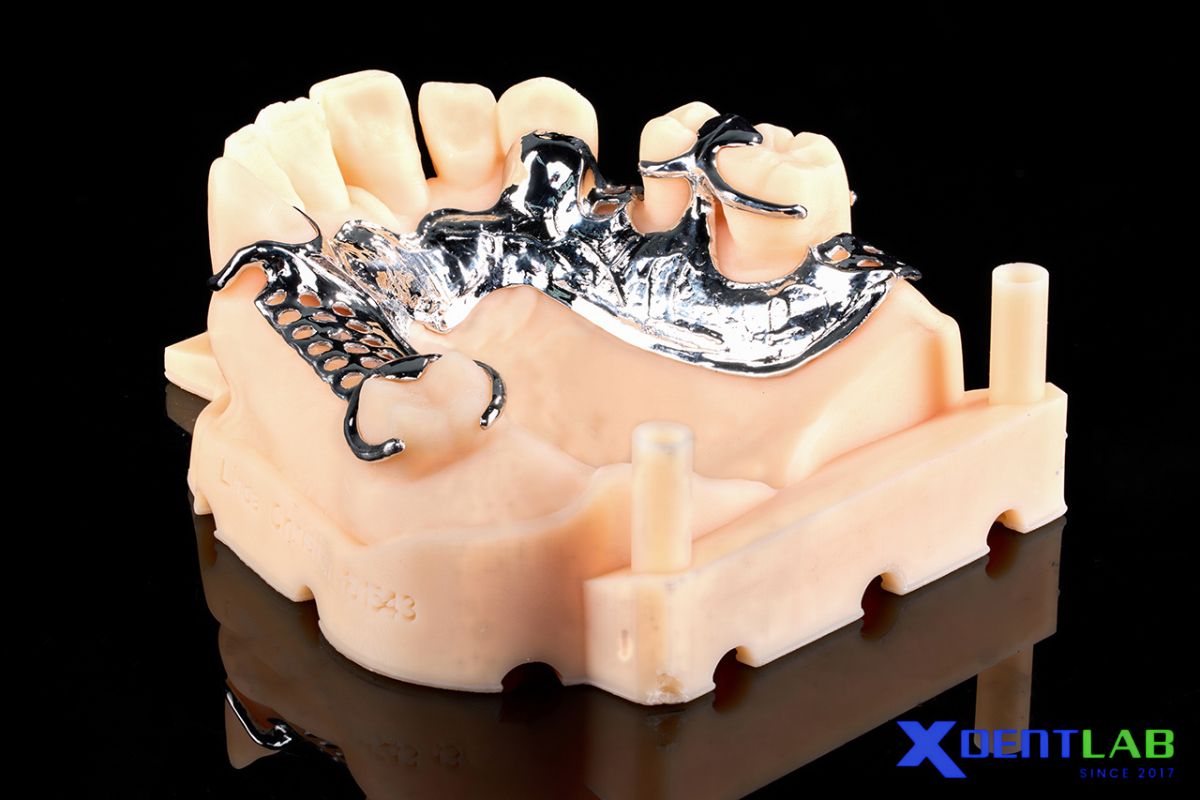
These frameworks are used in removable partial dentures for partially edentulous patients.
Their job is to support the denture base and artificial teeth, engage abutment teeth through clasps or precision attachments, distribute occlusal forces appropriately, and improve stability and retention.
Traditional RPD frameworks are often made from cobalt-chromium alloys, though polymers such as PEEK and acetal resin are increasingly used in selected cases.
Fixed partial denture frameworks
These frameworks are used in bridges and other fixed restorations.
They serve as the core structure that connects pontics to retainers, resists fracture under load, supports veneering ceramic or composite, and maintains dimensional stability.
Framework materials for fixed prosthetics commonly include zirconia, metal alloys, titanium, and lithium disilicate in more selective indications.
Implant-supported frameworks
These frameworks are used in implant-supported restorations, including full-arch prostheses, hybrid dentures, implant bridges, and All-on-4 or All-on-X restorations.
Their function is especially critical because they must connect accurately to implants, resist repeated occlusal forces, maintain passive fit, and support long-span restorations with minimal distortion.
Common materials include titanium, cobalt-chromium, zirconia, and PEEK in selected restorative concepts.
Maxillofacial and specialty frameworks
Frameworks may also be used in obturators, facial prostheses, complex removable restorations, and rehabilitative prosthetic designs.
These cases often require highly customized design and advanced lab communication.
Materials used in dental frameworks
Material selection is one of the most important framework decisions because it affects strength, weight, aesthetics, fit, repairability, and manufacturing method.
Metal frameworks remain highly relevant because of their strength and long clinical history.
Cobalt-chromium
Cobalt-chromium is one of the most widely used framework materials, especially in removable prosthodontics.
It offers high strength, good corrosion resistance, favorable rigidity, relatively thin framework design, and proven clinical performance.
It is especially common in RPD frameworks.
Titanium
Titanium is widely used for implant-supported frameworks because of its excellent biocompatibility, low weight, corrosion resistance, and suitability for implant interfaces.
It is often preferred in implant cases where biological compatibility and reduced weight are priorities.
Precious alloys
Gold- and platinum-based alloys are less common today because of cost, but they still offer excellent biocompatibility, good corrosion resistance, and reliable long-term performance.
Their use is generally limited to more specialized or premium restorative cases.
Ceramic-based frameworks
Ceramic frameworks are valued primarily for their aesthetics and tissue compatibility.
Zirconia
Zirconia is a leading framework material in modern restorative dentistry.
Its main advantages include high flexural strength, tooth-colored appearance, good biocompatibility, favorable wear performance when properly finished, and suitability for fixed and implant-supported restorations.
Zirconia is especially relevant where aesthetics matter, including anterior and full-arch prosthetics.
Lithium disilicate
Lithium disilicate is more commonly associated with monolithic restorations than large framework designs, but it remains relevant for aesthetic fixed restorations requiring strength and translucency.
Polymer-based frameworks
High-performance polymers are increasingly important in dental framework discussions.
PEEK
PEEK, or polyetheretherketone, is a high-performance polymer used in both removable and implant prosthetics.
Its benefits include lightweight feel, good biocompatibility, shock-absorbing behavior, metal-free design, and favorable patient acceptance in selected cases.
It is particularly interesting for practices looking for alternative framework materials beyond metal.
Acetal resin
Acetal resin is used in selected removable partial denture designs, especially where flexibility and improved aesthetics are desired.
It is often chosen for metal-free clasps, flexible components, and patients with metal sensitivity concerns.
However, it has limitations in rigidity compared with conventional metal frameworks.
Applications of dental frameworks
Dental frameworks are central to multiple prosthetic applications.
Removable partial dentures
Frameworks in RPDs support artificial teeth and denture bases while helping distribute forces to the remaining dentition and supporting tissues.
This is one of the most common framework applications in prosthodontics.
Fixed partial dentures
In bridges, the framework provides the internal strength needed to support missing teeth replacement and resist daily occlusal stress.
Full-arch implant restorations
Frameworks are essential in full-arch implant prosthetics because they unify the prosthesis and distribute force across multiple implants.
Passive fit is especially important here, as inaccuracies can create biological and mechanical complications.
Maxillofacial prosthetics
Frameworks also play an important role in facial and maxillofacial rehabilitation where complex support, retention, and stability are needed.
Fabrication techniques
The way a dental framework is fabricated strongly affects its fit, precision, consistency, and production efficiency.
Traditional fabrication
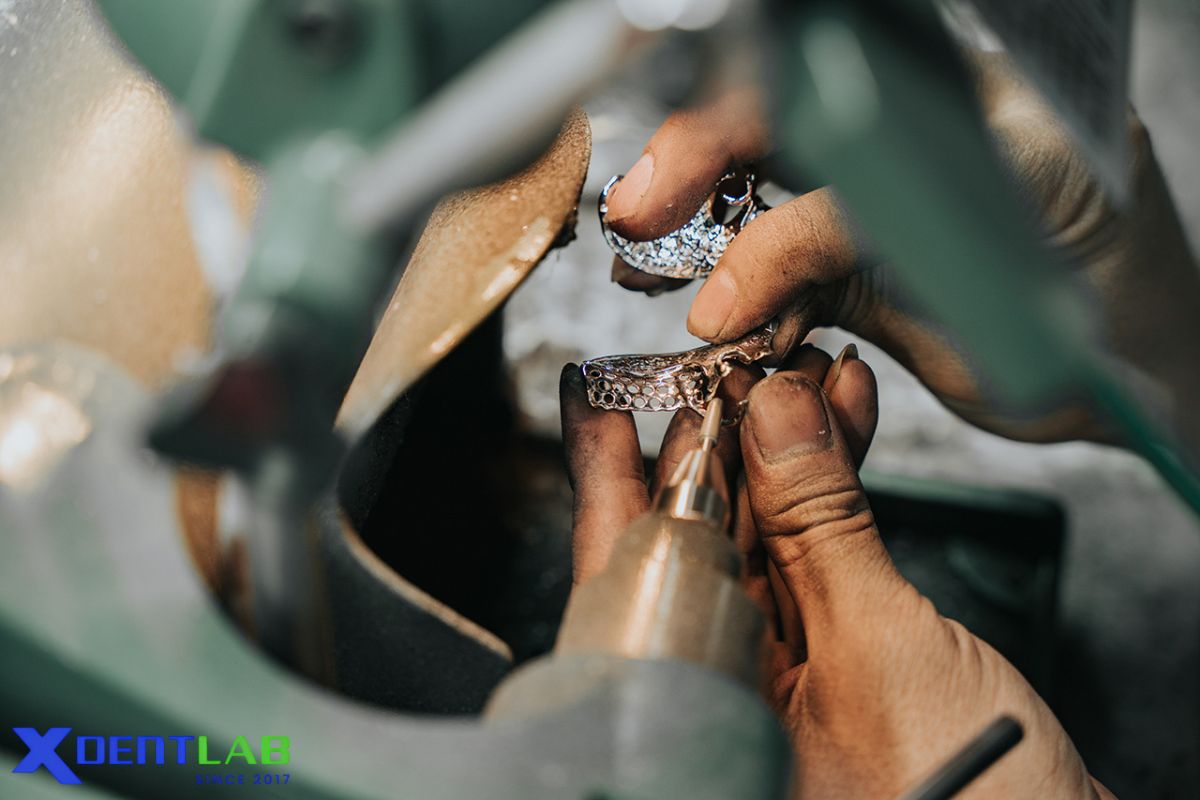
Traditional methods include wax-up, investing, casting, finishing, and polishing.
These methods remain effective and clinically valid, especially in experienced laboratory settings. They are, however, more technique-sensitive and labor-intensive.
CAD/CAM manufacturing
Digital dentistry has significantly changed framework fabrication.
CAD/CAM workflows allow digital design precision, more consistent reproducibility, improved fit accuracy, better communication between clinic and lab, and faster turnaround in many cases.
Materials such as zirconia, titanium, PMMA patterns, and some polymers can be milled through CAD/CAM systems.
3D printing
3D printing is increasingly used for resin patterns for casting, prototype frameworks, some metal framework workflows, and complex geometries that are difficult to achieve traditionally.
As digital manufacturing improves, printed workflows are becoming more relevant to both removable and implant framework production.
Advantages of modern dental frameworks
Modern dental frameworks offer several important clinical and operational benefits.
Durability
Advanced materials such as cobalt-chromium, titanium, zirconia, and PEEK provide high structural performance and long-term function when properly designed and manufactured.
Aesthetics
Materials such as zirconia and PEEK support improved aesthetics, especially in visible zones or metal-free restorative concepts.
Biocompatibility
Framework materials today are increasingly selected for favorable tissue response, reduced corrosion concerns, and broad patient acceptance.
Customization
Digital tools allow frameworks to be tailored to patient anatomy, occlusion, implant position, prosthetic design goals, and specific clinical constraints.
This improves both fit and efficiency.
Challenges and limitations
Despite major advances, dental frameworks still present important challenges.
Cost
Premium materials such as zirconia and titanium can increase case cost, especially in advanced implant restorations.
Fabrication complexity
Some framework materials require specialized equipment, software, and technical expertise. This is particularly true for zirconia, titanium, and PEEK workflows.
Repair difficulty
Certain materials are harder to repair or modify after fabrication. Zirconia and PEEK are common examples where adjustment protocols differ from conventional metal systems.
Design sensitivity
Framework performance depends not just on material, but on design. Even a strong material can fail if connector dimensions, support zones, thickness, or load distribution are poorly planned.
Future directions in dental frameworks
The future of dental frameworks is moving toward better materials, better precision, and better digital integration.
Emerging hybrid materials
Research continues into hybrid materials that combine the strengths of metals, ceramics, and polymers.
The goal is to create frameworks with better strength-to-weight ratios, improved aesthetics, enhanced fatigue resistance, and greater repairability.
Sustainable production
There is growing interest in more sustainable dental manufacturing, including reduced material waste, efficient nesting and milling strategies, and recyclable or lower-impact materials where possible.
Advanced digital workflows
CAD/CAM and 3D printing will continue to improve framework fabrication through better scanner accuracy, more precise software design, faster production cycles, and improved consistency across repeated cases.
Nanotechnology
Nanotechnology may help improve framework materials by enhancing mechanical strength, surface behavior, biological response, and bonding performance.
Why dental frameworks matter for lab-to-lab outsourcing
For dental practices, the quality of a dental framework is often a reflection of laboratory capability. A reliable framework requires more than a good material. It requires correct design logic, manufacturing precision, finishing quality, and consistency across cases.
What practices need from a lab partner
Dental practices need framework partners who can deliver accurate fit, material expertise, reliable turnaround, digital workflow compatibility, consistent quality control, and clear communication on indications and limitations.
Relevance to XDENT LAB
For XDENT LAB, dental frameworks are a core part of high-quality prosthetic manufacturing. As a Vietnam dental lab focused on Lab-to-Lab Service, Removable and Implant, and Dental Lab Outsourcing, XDENT LAB supports dental practices with scalable framework production aligned with U.S. market expectations.
With FDA and ISO-oriented quality systems, certified technicians, advanced manufacturing technology, and expertise in removable and implant prosthetics, XDENT LAB helps practices achieve the consistency and structural reliability that framework-dependent restorations demand.
Key takeaways
Dental frameworks are the structural base of many restorative solutions, including removable partial dentures, fixed bridges, and implant-supported prostheses. Their success depends on the right combination of material choice, design principles, fabrication method, and clinical indication.
Common framework materials include cobalt-chromium for strength and rigidity, titanium for implant applications, zirconia for aesthetics and strength, PEEK for lightweight metal-free designs, and acetal resin for selected flexible partial denture components.
The key takeaway is simple: the framework is not just a substructure. It is the engineering core of the restoration. In prosthetic dentistry, what patients do not see often determines what they ultimately feel, trust, and keep functioning for years.
References
- Framework materials in dentistry - XDENT LAB
- Top 4 removable partial dentures framework materials - Spear Education
- Framework materials for implant prosthetics - FOR
- Removable partial denture frameworks in the age of digital dentistry - MDPI
About XDENT LAB:
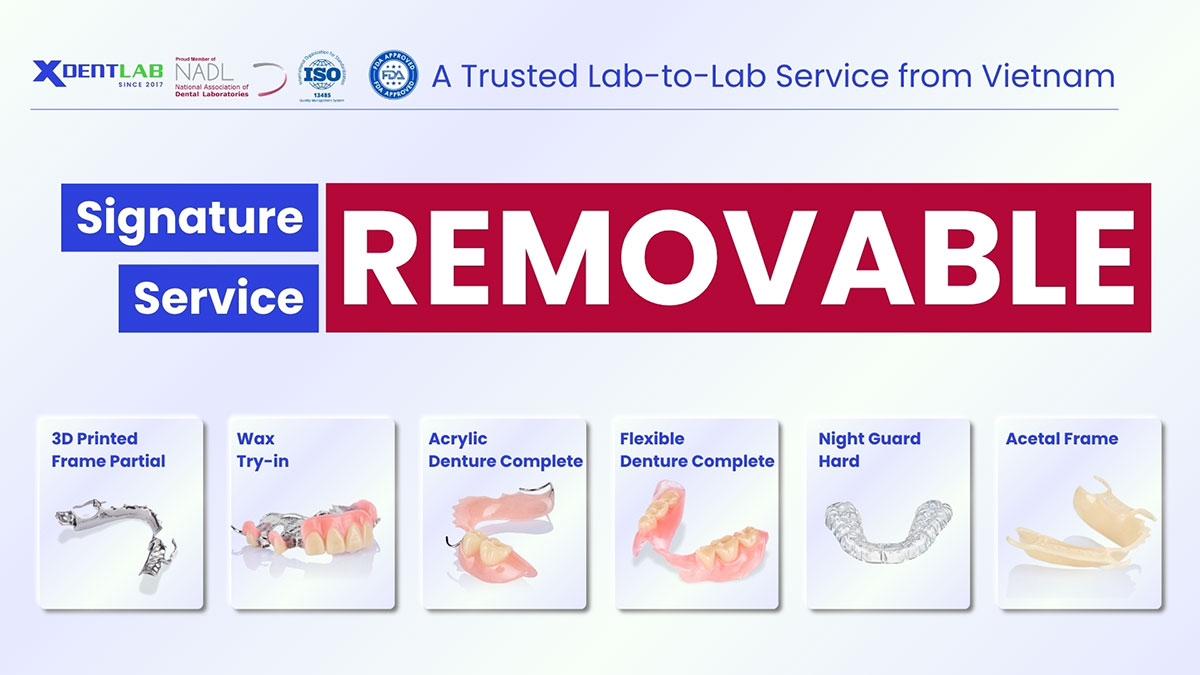
We are experts in Lab-to-Lab Full Service from Vietnam, with the signature services of Removable, meet U.S. market standards - approved FDA & ISO. Founded in 2017, from local root to global reach, we scale with 2 Factories with over 100+ employees.
Our 5 Commitments Built on “Trusted. Commitment. Quality”
- Commit to 100% FDA-Approved Materials
- Commit to Large-Scale Manufacturing, high volume, remake rate < 1%.
- Commit to 2~3 days in lab (*digital file)
- Commit to Cost Savings 30%
- Commit to Best Price
XDENT LAB | A Trusted Lab-to-Lab Service from Vietnam
Share this post:
Related Posts
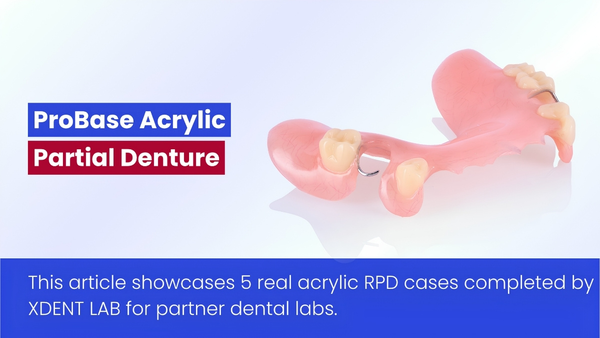
See 5 completed Acrylic RPD cases from XDENT LAB, a Vietnam dental laboratory serving US, Europe, and Australia. Reliable lab to lab subcontract partner since 2017.
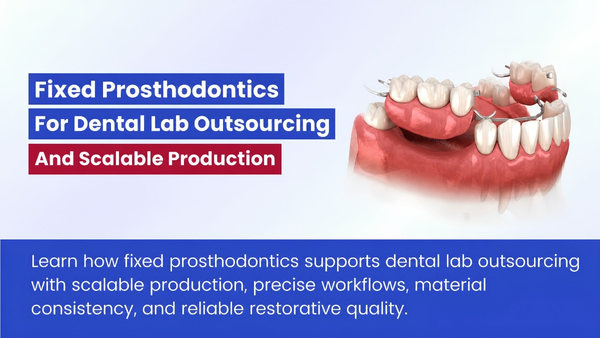
Learn how fixed prosthodontics supports dental lab outsourcing with scalable production, precise workflows, material consistency, and reliable restorative quality.
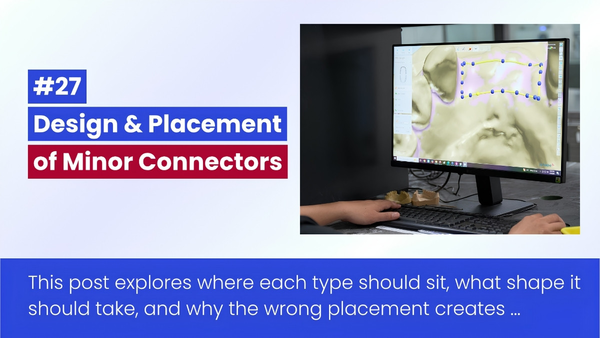
Minor connector placement in RPD frameworks is governed by specific rules for each connector type. Here is what determines correct form, position, and junction design.

