
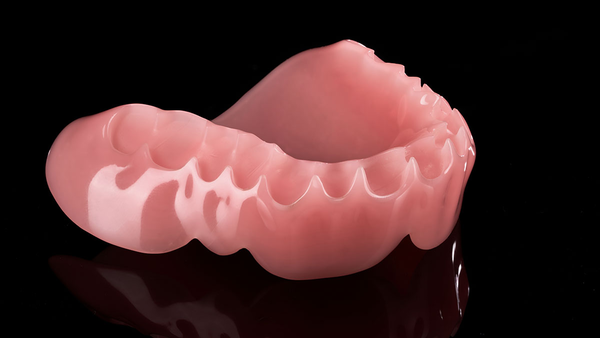
Light‑activated UDMA denture bases: flexural strength evidence, cure parameters, and QA. XDENT LAB’s FDA/ISO lab‑to‑lab workflow delivers consistent results.
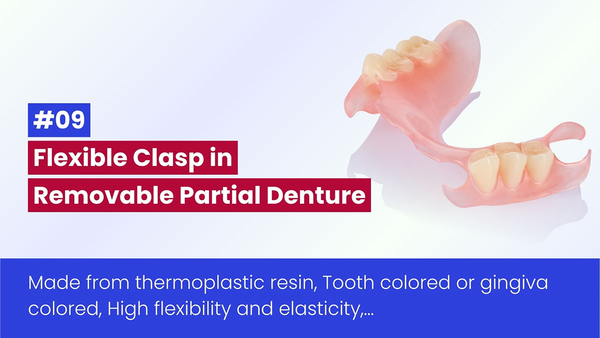
Learn about flexible clasp in removable partial dentures, including materials, design, advantages, limitations, and clinical applications for esthetic and comfortable RPD solutions.
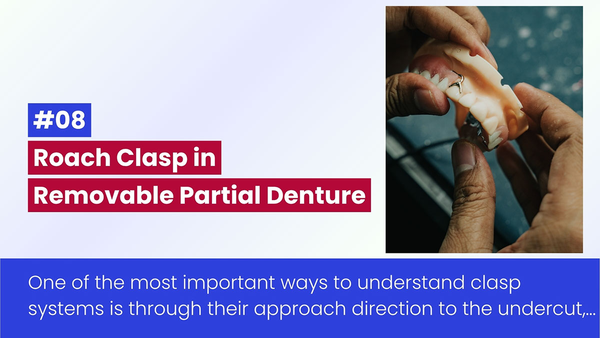
Learn how Roach clasp fits into suprabulge and infrabulge classification in removable partial dentures, including design, types, indications, and clinical applications.
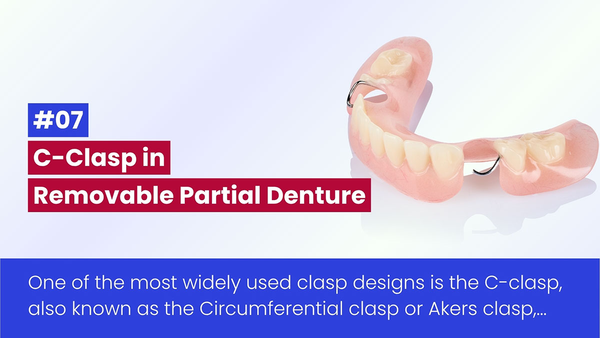
C-clasp in RPD explained: structure, function, types, advantages, and clinical indications of circumferential clasps in removable partial denture design.
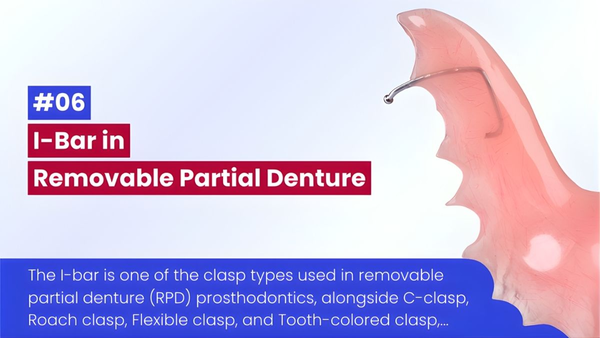
The I-bar is one of the clasp types used in removable partial denture (RPD) prosthodontics, alongside C clasp, Roach clasp, flexible clasp, and tooth-colored clasp.
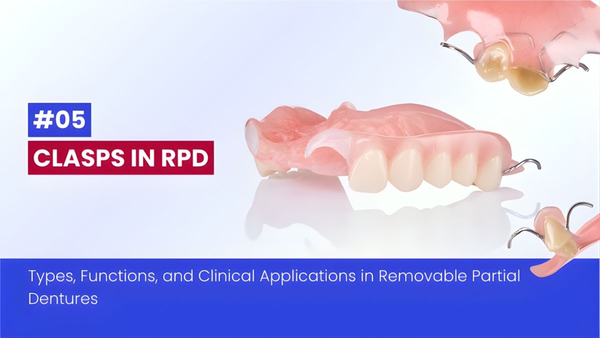
Learn about clasps in removable partial dentures (RPD), including types such as I-Bar, C clasp, Roach clasp, flexible clasp, and tooth-colored clasp, along with their functions and clinical applicatio...
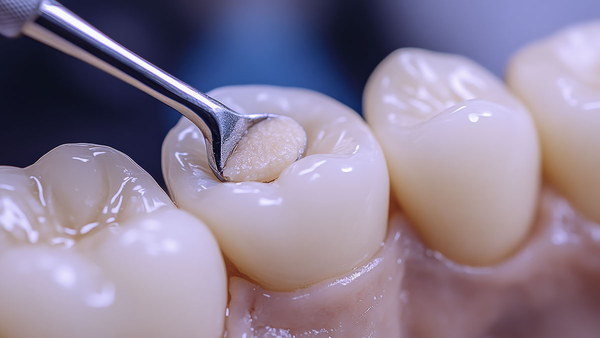
Glass Ionomer sealants (GI) explained: composition, chemical adhesion, fluoride release/recharge, moisture tolerance, and antimicrobial effects. Evidence on clinical effectiveness, ideal indications (...
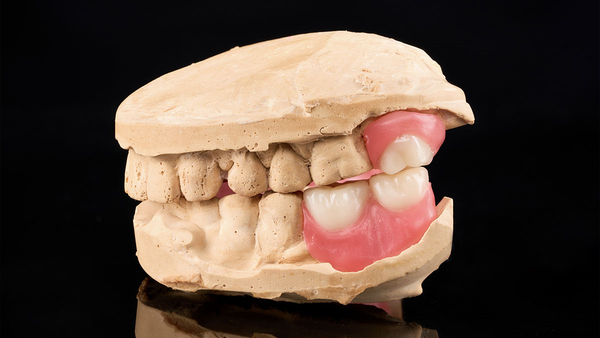
Comprehensive guide to chemical‑cured (self‑cure) acrylic resin for denture bases: composition, polymerization, mechanical performance, shrinkage and residual monomer, reinforcement (glass fiber, wire...
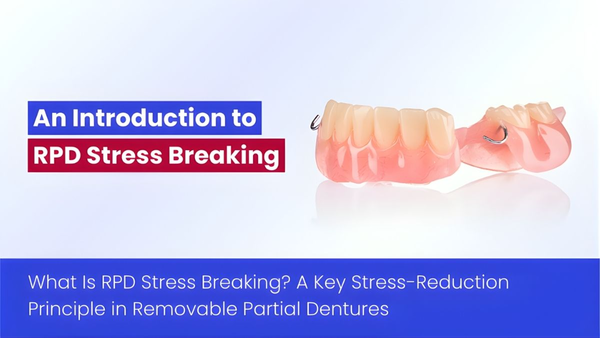
What Is RPD Stress Breaking? A Key Stress-Reduction Principle in Removable Partial Dentures.
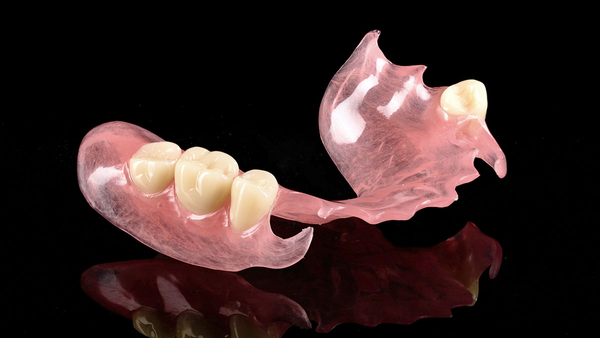
Comprehensive, evidence-based guide to acrylic (PMMA) denture bases covering material properties, processing methods (heat‑cure, injection, CAD/CAM, 3D‑print), bonding protocols, dimensional stability...

Evidence-based review of resin-based sealants: chemistry, types, retention rates, and clinical protocols for superior pit and fissure caries prevention.
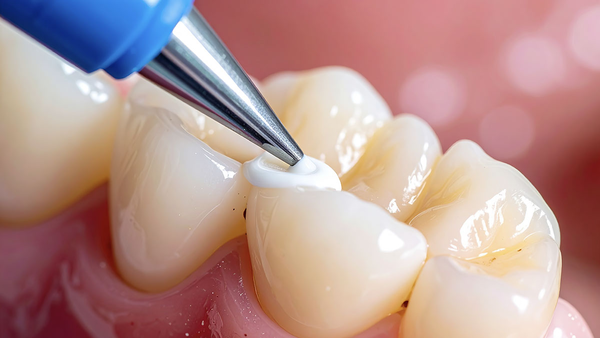
Discover how moisture‑tolerant dental sealants improve bond strength, cut microleakage, and boost retention—built under FDA/ISO controls by XDENT LAB.

