
Learn about prosthodontics in dentistry, including its types, treatments, and benefits for restoring missing teeth, oral function, esthetics, and long-term health.
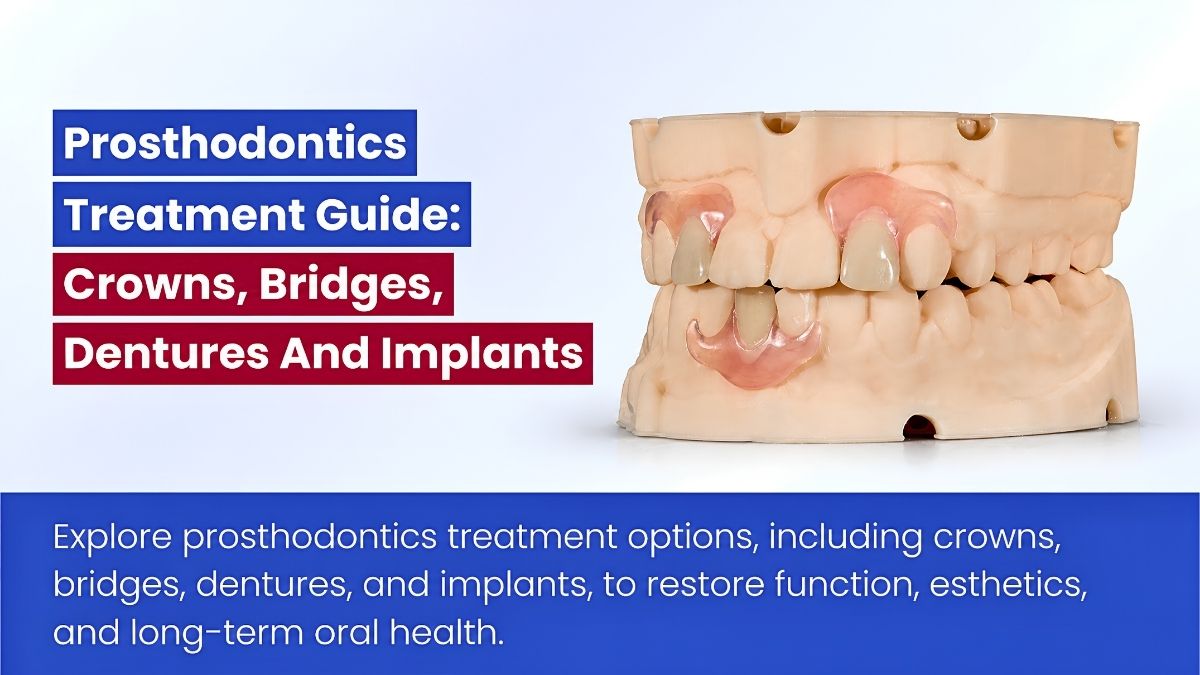
Table of contents [Show]
- What is prosthodontics?
- Main branches of prosthodontics
- Common prosthodontic treatments
- Importance of prosthodontics in dentistry
- Materials used in prosthodontics
- Digital transformation in prosthodontics
- Challenges in prosthodontics
- Why dental laboratory partnership matters in prosthodontics
- Emerging trends and future directions
- Key takeaways
Prosthodontics is one of the most important disciplines in modern dentistry because it focuses on restoring missing teeth, damaged oral structures, and overall oral function through carefully designed prosthetic solutions. It combines biology, biomechanics, materials science, esthetics, and precision manufacturing to help patients regain chewing ability, speech, comfort, and confidence. While prosthodontics is often associated with crowns, dentures, and implants, its true scope is much broader and more interdisciplinary.
For dental practices, prosthodontics is not only about replacing teeth. It is about rebuilding the oral system in a way that supports function, occlusion, facial harmony, tissue health, and long-term stability. For dental laboratories, prosthodontics represents a highly technical area where design accuracy, case communication, material selection, and workflow consistency directly affect clinical outcomes. This article explains what prosthodontics is, its major branches, treatment types, materials, digital evolution, clinical importance, and the role of a reliable lab partner in achieving predictable prosthetic results.
What is prosthodontics?
Prosthodontics is the branch of dentistry focused on the restoration and replacement of teeth and oral structures through artificial prostheses. It addresses both functional and esthetic rehabilitation for patients with missing teeth, damaged teeth, or oral tissue deficiencies.
Core purpose
The main goals of prosthodontics are to:
- Restore oral function
- Replace missing teeth
- Improve speech and mastication
- Reestablish occlusal stability
- Support facial esthetics
- Maintain oral and systemic well-being
- Improve patient comfort and confidence
Prosthodontics often overlaps with restorative dentistry, implant dentistry, periodontics, oral surgery, and maxillofacial rehabilitation.
Scope of prosthodontic care
Prosthodontic treatment may involve:
- Single-tooth restoration
- Multiple-unit fixed rehabilitation
- Full-arch rehabilitation
- Removable partial tooth replacement
- Complete edentulous treatment
- Implant-supported prostheses
- Rehabilitation after trauma or surgery
- Complex occlusal reconstruction
Because it addresses both simple and advanced restorative needs, prosthodontics plays a central role in comprehensive dental care.
Main branches of prosthodontics
Prosthodontics includes several major clinical and laboratory categories.
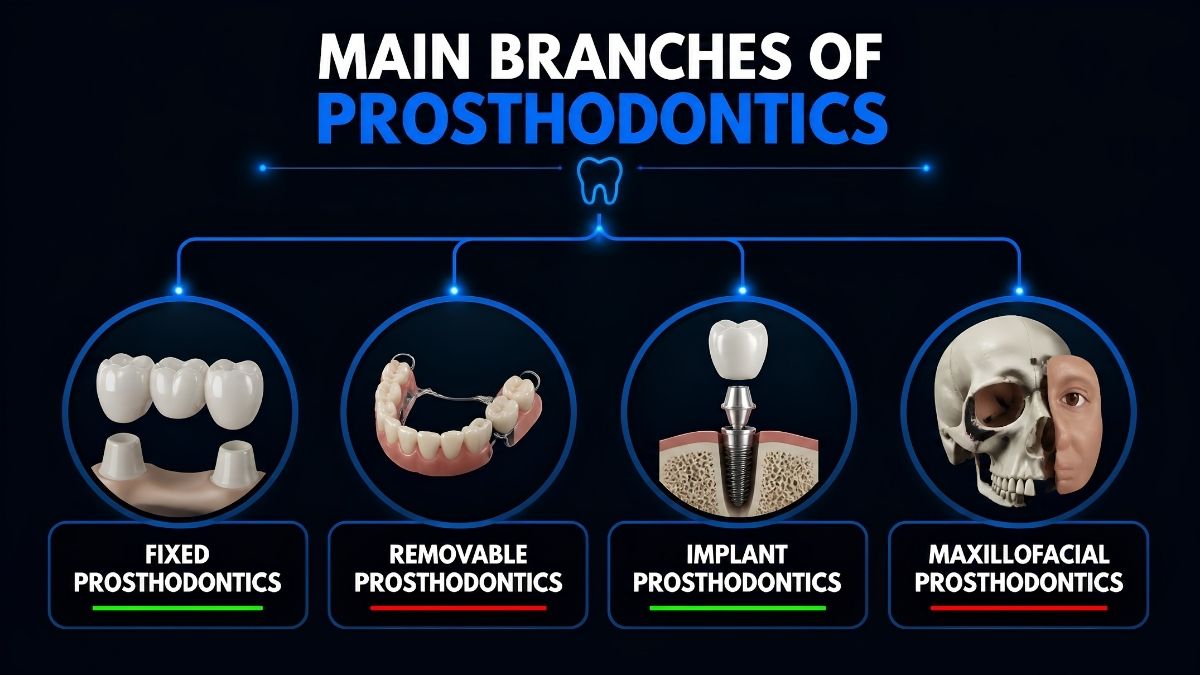
Fixed prosthodontics
Fixed prosthodontics involves restorations that are cemented or otherwise secured in place and are not removed by the patient.
Common fixed restorations
These may include:
- Crowns
- Bridges
- Veneers in selected restorative contexts
- Inlays and onlays
- Implant-supported crowns and bridges
Clinical role
Fixed prosthodontics is commonly used to:
- Restore fractured or weakened teeth
- Replace one or more missing teeth
- Improve occlusal support
- Restore anatomy and function
- Enhance esthetics in visible zones
Removable prosthodontics
Removable prosthodontics focuses on prostheses that patients can remove for cleaning and maintenance.
Common removable prostheses
These include:
- Complete dentures
- Removable partial dentures
- Interim dentures
- Implant-retained overdentures
- Flexible or acrylic provisional appliances in selected cases
Clinical role
Removable prosthodontics remains essential for:
- Full-arch tooth loss
- Multiple missing teeth
- Economical treatment planning
- Transitional rehabilitation
- Cases with anatomical or medical limitations
Implant prosthodontics
Implant prosthodontics centers on restorations supported by dental implants.
Common applications
Implants may support:
- Single crowns
- Multi-unit bridges
- Full-arch fixed prostheses
- Overdentures
- Hybrid restorations
Why it matters
Implant prosthodontics requires careful coordination between surgical planning and restorative design. The final outcome depends on emergence profile, prosthetic space, implant positioning, occlusion, hygiene access, and long-term maintenance.
Maxillofacial prosthodontics
Maxillofacial prosthodontics addresses defects involving oral and facial structures caused by disease, trauma, congenital conditions, or surgery.
Typical applications
These may include prosthetic rehabilitation for:
- Palatal defects
- Mandibular or maxillary resections
- Facial defects
- Speech and swallowing support after treatment
- Complex craniofacial functional restoration
This branch is highly specialized and often requires multidisciplinary collaboration.
Common prosthodontic treatments
Prosthodontics includes a wide range of treatment options depending on the extent of tooth loss, condition of the remaining dentition, and patient goals.
Crowns
Crowns are used to cover and protect damaged or structurally compromised teeth.
Common indications
They are often recommended for:
- Large restorations
- Endodontically treated teeth
- Fractured teeth
- Severe wear
- Teeth needing full contour restoration
Bridges
Bridges replace missing teeth using adjacent teeth or implants as support.
Key benefits
They can help restore:
- Bite continuity
- Functional efficiency
- Speech
- Smile appearance
- Tooth position stability
Dentures
Dentures remain a major treatment category in prosthodontics.
Main types
These include:
- Complete dentures for full edentulism
- Partial dentures for partial tooth loss
- Immediate dentures after extraction
- Implant-supported overdentures for improved retention
Implant-supported restorations
Implant-supported prostheses have become a major component of prosthodontic rehabilitation.
Treatment possibilities
These may include:
- Single implant crowns
- Full-arch implant bridges
- Bar-supported overdentures
- Screw-retained prosthetic systems
- Cement-retained solutions in selected cases
Full-mouth rehabilitation
Some patients require comprehensive prosthodontic care involving multiple restorations across the entire dentition.
Clinical significance
These cases often involve:
- Vertical dimension assessment
- Occlusal reconstruction
- Wear management
- Esthetic planning
- Interdisciplinary sequencing
Importance of prosthodontics in dentistry
Prosthodontics has a major impact on function, oral health, and patient quality of life.
Functional restoration
One of the most important roles of prosthodontics is restoring efficient oral function.
Functions that may be improved
These include:
- Chewing
- Swallowing support
- Speech articulation
- Bite balance
- Jaw comfort during daily use
Esthetic rehabilitation
Prosthodontics often improves the appearance of both the smile and facial structure.
Esthetic outcomes may include
These include:
- Better tooth shape and proportion
- Improved smile line
- Replacement of visible missing teeth
- Support for lips and lower facial contour
- More natural overall appearance
Preservation of oral structures
Replacing missing teeth and restoring damaged dentition helps maintain long-term oral stability.
Why this matters
It may reduce the risk of:
- Tooth drifting
- Occlusal imbalance
- Excessive wear
- Functional collapse
- Soft tissue instability
Quality of life improvement
Successful prosthodontic treatment can significantly improve patient confidence, comfort, and social function.
Materials used in prosthodontics
Material selection is one of the most important decisions in prosthodontic treatment because it influences strength, longevity, esthetics, hygiene, and manufacturing workflow.
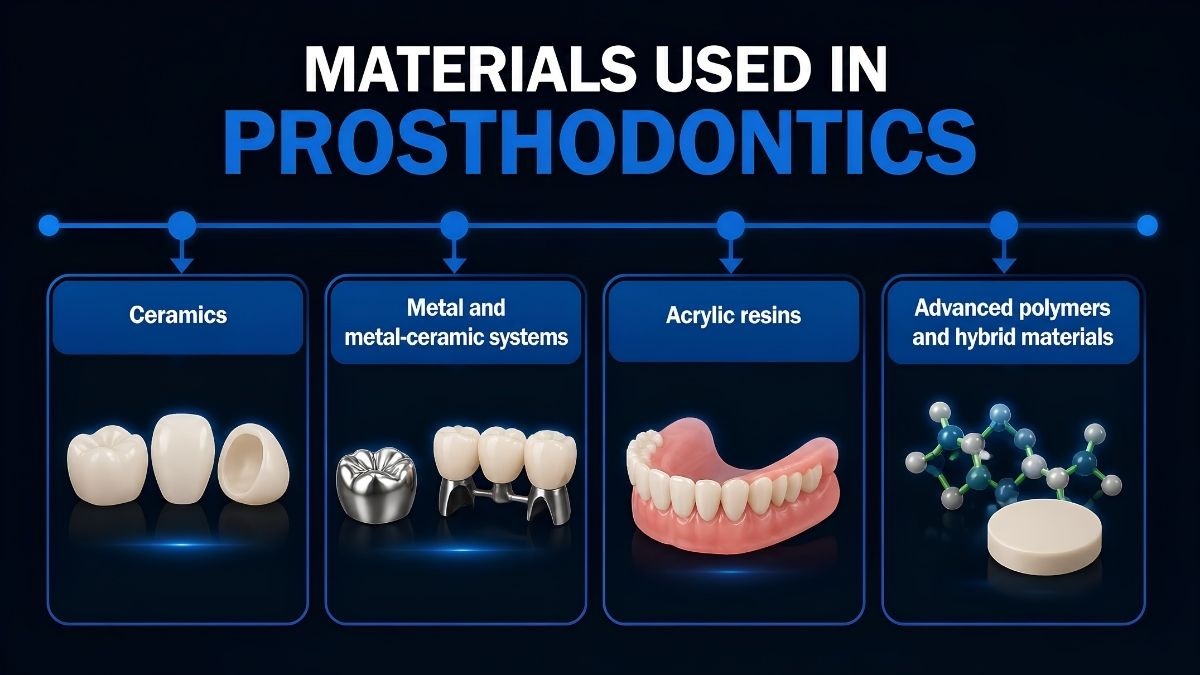
Ceramics
Ceramics are widely used in fixed and implant prosthodontics.
Common ceramic materials
These include:
- Zirconia
- Lithium disilicate
- Feldspathic porcelain for selected esthetic layering applications
Key advantages
Ceramics are valued for:
- Natural appearance
- Biocompatibility
- Good strength in selected indications
- Compatibility with digital design and milling
Metal-based systems remain relevant in many prosthodontic applications.
Typical uses
They may be selected for:
- Long-span bridges
- Posterior functional loads
- Traditional fixed restorations
- Certain implant frameworks
Acrylic resins
Acrylic materials are especially important in removable prosthodontics.
Common applications
They are used in:
- Denture bases
- Interim restorations
- Tooth setups
- Repair and reline procedures
Advanced polymers and hybrid materials
Digital dentistry has expanded the use of modern polymers and hybrid materials for selected provisional and definitive indications.
Digital transformation in prosthodontics
Digital workflows have significantly changed how prosthodontic cases are diagnosed, designed, fabricated, and delivered.
Intraoral scanning
Digital impressions improve efficiency and communication in many prosthodontic cases.
Main advantages
They can support:
- Better patient comfort
- Faster record transfer
- Improved lab communication
- More efficient restorative planning
- Easier integration with digital production systems
CAD/CAM design
Computer-aided design and manufacturing are central to contemporary prosthodontics.
Common uses
CAD/CAM may be applied to:
- Crowns
- Bridges
- Implant abutments
- Denture frameworks
- Full-arch prosthetic designs
3D printing
3D printing supports both fixed and removable prosthodontic workflows.
Applications may include
These may include:
- Models
- Surgical guides
- Try-ins
- Custom trays
- Provisional restorations
- Denture workflow components
Digital smile and occlusal planning
Advanced software allows more comprehensive treatment visualization and planning.
This is particularly important in full-mouth rehabilitation, implant prosthodontics, and esthetic restorative cases.
Challenges in prosthodontics
Although prosthodontics provides major clinical value, it also involves several technical and biological challenges.
Case complexity
Many prosthodontic cases require detailed analysis of occlusion, biomechanics, material selection, esthetics, and soft tissue conditions.
Patient adaptation
Some prostheses, especially removable solutions, require a period of patient adaptation.
Common adjustment issues
Patients may experience:
- Speech changes
- Pressure areas
- Retention concerns
- Changes in chewing habits
- Maintenance challenges
Long-term maintenance
Prosthodontic restorations require ongoing maintenance for long-term success.
Important maintenance factors
These include:
- Oral hygiene
- Occlusal monitoring
- Recall visits
- Relining or repair for removable appliances
- Monitoring of implants and surrounding tissues
Technology and workflow coordination
As workflows become more digital, successful prosthodontics increasingly depends on seamless coordination between clinic, laboratory, and manufacturing systems.
Why dental laboratory partnership matters in prosthodontics
Prosthodontics is one of the dental fields most dependent on laboratory precision. Even the best treatment plan can fail if the prosthesis is poorly designed, inaccurately fabricated, or inconsistently finished.
What practices need from a lab partner
A strong prosthodontic laboratory partner should provide:
- Consistent manufacturing quality
- Material knowledge
- Accurate fit and design execution
- Support for removable and implant cases
- Clear communication on complex prescriptions
- Digital workflow compatibility
- Predictable turnaround and remake control
Relevance to XDENT LAB
For dental practices seeking a Vietnam dental lab with reliable lab-to-lab service, XDENT LAB aligns closely with prosthodontic needs through its focus on removable and implant solutions, scalable production systems, certified technical processes, and compliance with FDA and ISO expectations.
Because prosthodontic success often depends on precision across multiple steps, outsourcing to a capable dental laboratory helps practices improve consistency, reduce chairside complications, and manage restorative complexity more effectively.
Emerging trends and future directions
Prosthodontics continues to evolve through improvements in materials, digital integration, and interdisciplinary care models.
More personalized prosthetic design
Digital records and software are enabling more individualized prosthetic planning and production.
Greater use of full digital workflows
Scanning, CAD design, CAM milling, and 3D printing are increasingly integrated into both fixed and removable workflows.
Better materials and long-term performance
Material science continues to improve strength, esthetics, wear behavior, and workflow efficiency.
AI-supported planning and quality control
Artificial intelligence is expected to expand in diagnostics, case design support, and production quality management.
Key takeaways
Prosthodontics is the branch of dentistry focused on restoring and replacing teeth and oral structures through artificial prostheses. It includes fixed restorations, removable dentures, implant-supported prostheses, and maxillofacial rehabilitation, all aimed at improving function, esthetics, comfort, and long-term oral health.
Its success depends on accurate diagnosis, careful treatment planning, suitable material selection, and precise laboratory execution. For dental practices managing restorative, removable, and implant-related cases, working with an experienced outsourcing partner such as XDENT LAB can support quality, consistency, and predictable prosthodontic outcomes.
About XDENT LAB:
We are experts in Lab-to-Lab Full Service from Vietnam, with the signature services of Removable, meet U.S. market standards, FDA-registered, ISO 13485-certified. Founded in 2017, from local root to global reach, we scale with 2 Factories with over 100+ employees.
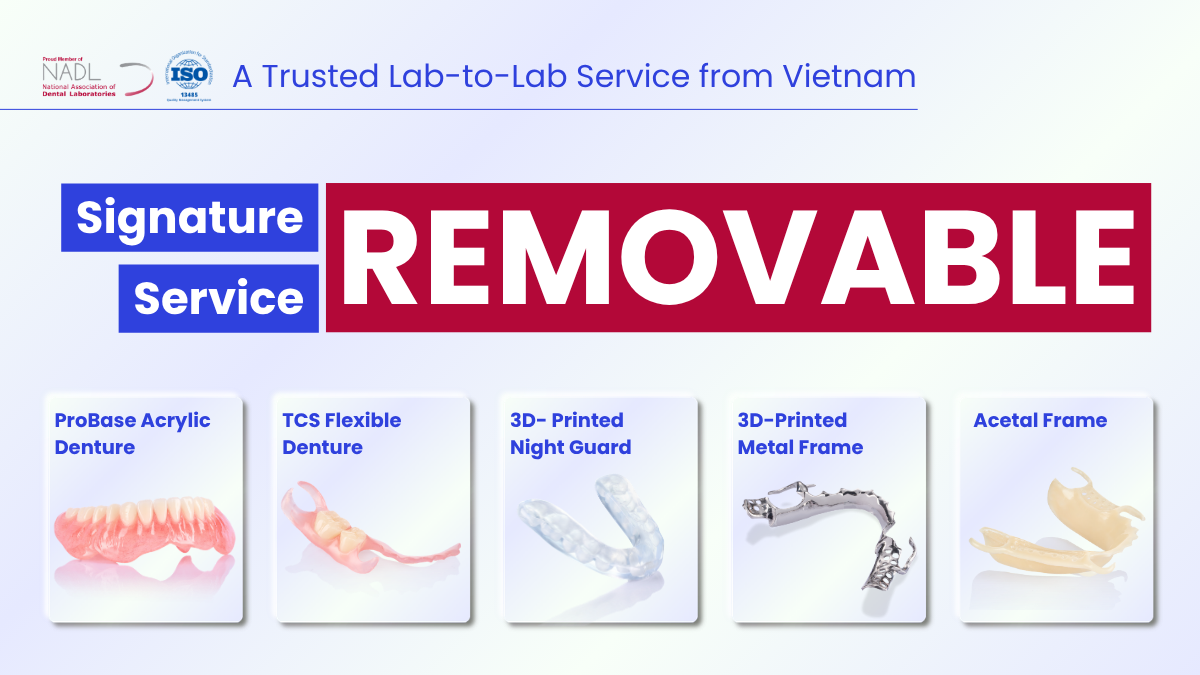
Our Commitments Built on “Trusted. Commitment. Quality”
- Commit to Large-Scale Manufacturing, high volume, remake rate < 1%.
- Commit to 5-Year Warranty
- Commit to Competitive Price
XDENT LAB | A Trusted Lab-to-Lab Service from Vietnam
Share this post:
Related Posts
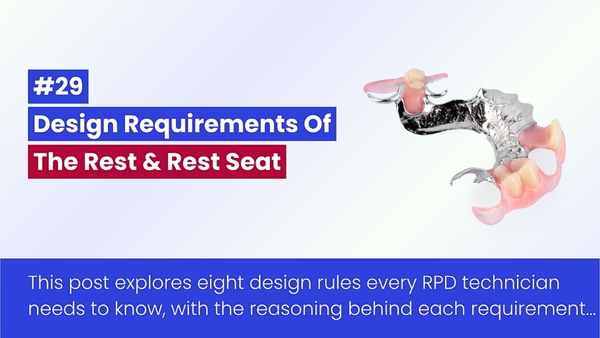
Rest seat geometry controls how force enters the abutment tooth. Here are the design rules every RPD technician needs to know, with the reasoning behind each one.
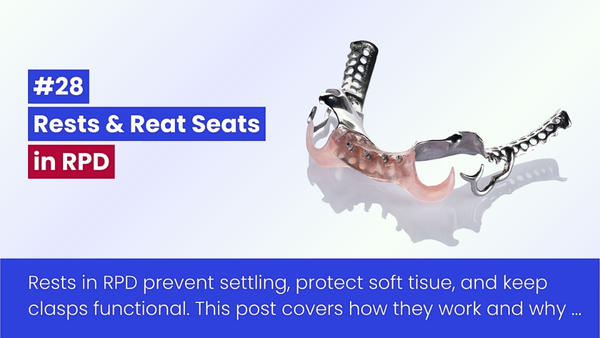
Rests in removable partial dentures prevent settling, protect soft tissue, and keep clasps functional. Here is how they work and why their design matters.

Learn how lab quality affects fixed partial dentures and bridges through fit, materials, connector design, occlusion, and long-term clinical performance.

