
Learn about complete dentures in dentistry, including materials, fabrication methods, digital workflows, benefits, limitations, and dental lab applications.
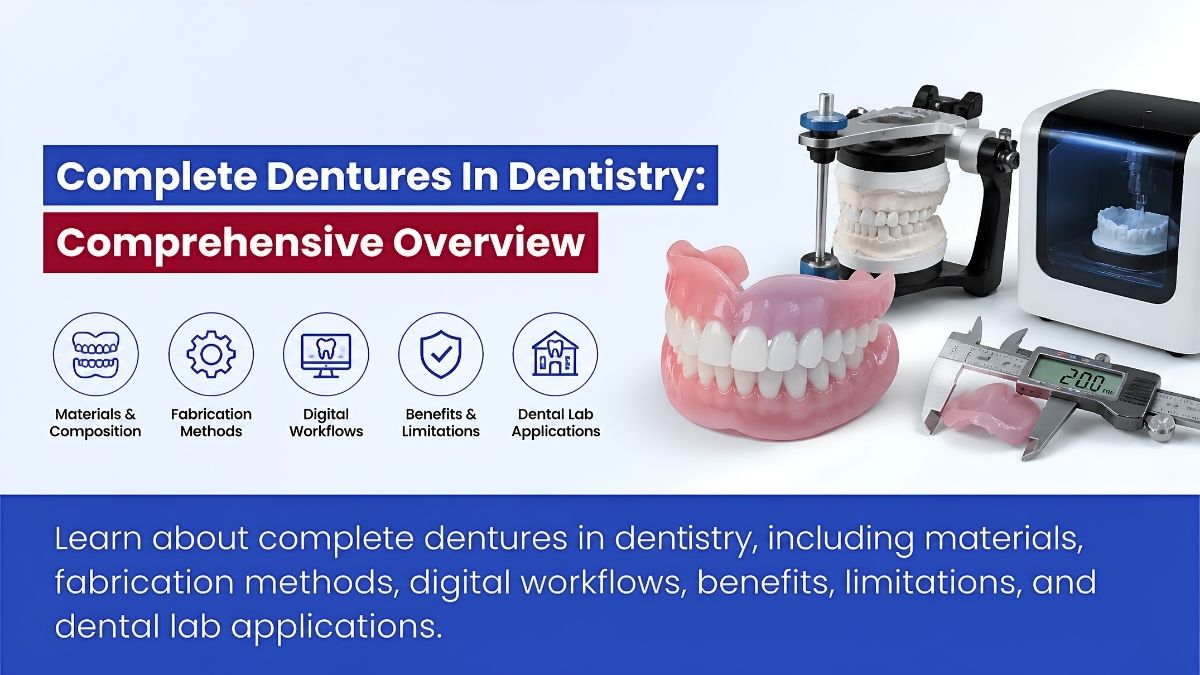
Table of contents [Show]
- What are complete dentures?
- Main components of complete dentures
- Materials used in complete dentures
- How complete dentures are made
- Digital technologies in complete denture fabrication
- Clinical applications of complete dentures
- Benefits of complete dentures
- Challenges and limitations of complete dentures
- Future trends in complete dentures
- Why complete dentures matter in dental lab outsourcing
- Key takeaways
Complete dentures, also called full dentures, remain one of the most important treatment options for fully edentulous patients. They are designed to replace all teeth in the upper arch, lower arch, or both while restoring basic oral function, facial support, and smile aesthetics. Although complete dentures are one of the oldest categories in prosthetic dentistry, they continue to evolve through better materials, digital workflows, and more precise laboratory fabrication methods.
For dental practices and laboratory partners, complete dentures are not simply removable appliances. They are full-arch prosthetic solutions that must balance retention, stability, occlusion, phonetics, tissue adaptation, appearance, and long-term maintainability. This article explains what complete dentures are, their components, materials, fabrication methods, clinical applications, benefits, limitations, digital trends, and why they remain highly relevant in dental lab outsourcing.
What are complete dentures?
Complete dentures are removable prosthetic devices that replace all missing teeth in one arch or both arches.
Core definition
They are indicated for patients who are fully edentulous and need restoration of:
- Chewing ability
- Speech support
- Facial profile
- Lip support
- Smile appearance
- Vertical dimension
These prostheses are custom-made to fit the edentulous ridges and surrounding oral anatomy.
Complete dentures vs full dentures
The terms complete dentures and full dentures are generally used interchangeably. Both describe a removable prosthesis replacing all teeth in an arch.
In clinical communication, the preferred terminology may vary by region, laboratory, or provider, but the treatment concept is the same.
Main components of complete dentures
Complete dentures include several essential parts that work together to restore function and aesthetics.
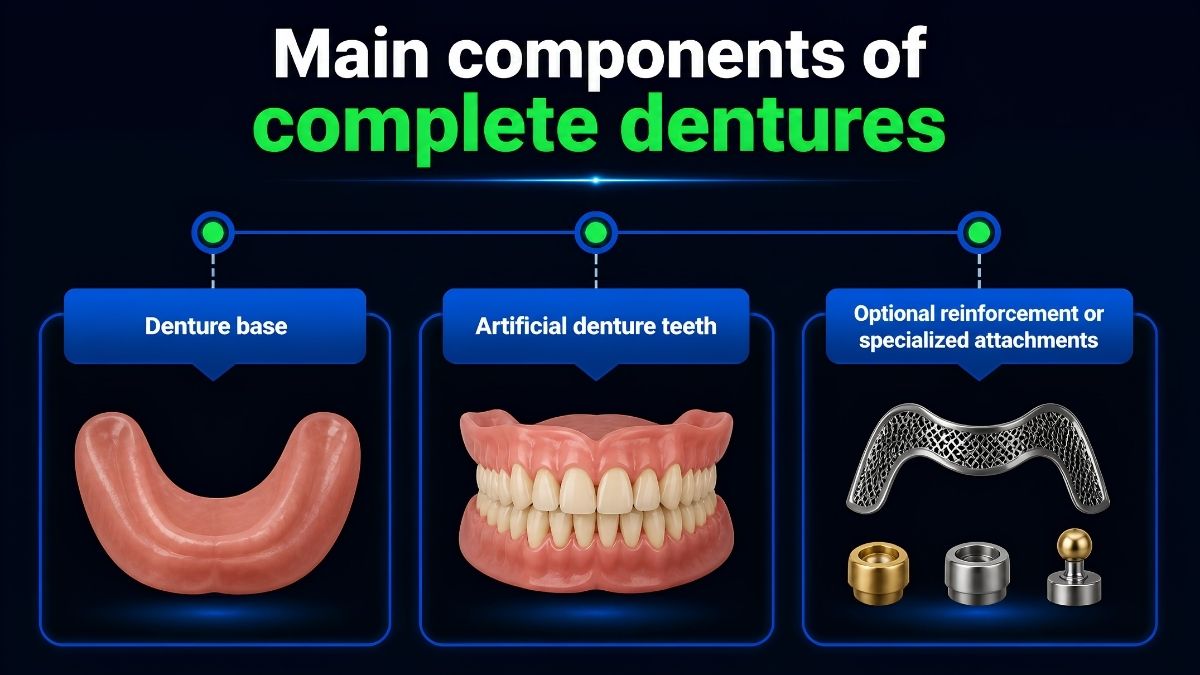
Denture base
The denture base is the portion of the prosthesis that contacts the oral soft tissues and supports the denture teeth.
Main functions of the denture base
It helps provide:
- Tissue adaptation
- Structural support
- Retention through extension and surface contact
- Gum-colored aesthetics
The base is typically designed to simulate natural gingival tissues while distributing functional forces across the denture-bearing areas.
Artificial denture teeth
Denture teeth are arranged on the base to restore the appearance and function of the missing dentition.
Their prosthetic role
They contribute to:
- Aesthetics
- Occlusion
- Mastication
- Speech
- Vertical dimension support
Tooth selection depends on facial form, arch size, occlusal scheme, and aesthetic preferences.
In some cases, complete dentures may incorporate reinforcement or be adapted for implant-supported retention systems.
These variations are especially relevant in lower full dentures, where conventional retention can be more limited.
Materials used in complete dentures
Material choice strongly affects durability, aesthetics, comfort, reparability, and production workflow.
Acrylic resin
Acrylic resin remains the most widely used material for complete denture bases and, in many cases, denture teeth.
Why acrylic is common
It is widely chosen because it offers:
- Good aesthetics
- Ease of adjustment
- Repairability
- Cost-efficiency
- Familiar laboratory processing
This makes acrylic a practical material for conventional and digital removable workflows.
Porcelain denture teeth
Porcelain may be used in selected denture teeth applications where wear resistance and certain aesthetic characteristics are desired.
Important considerations
Porcelain teeth may offer:
- Higher surface hardness
- Good wear resistance
- Distinct esthetic qualities
However, they can also be:
- Heavier
- More brittle
- More likely to wear opposing surfaces in some cases
Some complete dentures use metal reinforcement to improve structural stability in selected situations.
Where reinforcement may help
It may be considered when there is:
- High fracture risk
- Thin acrylic dimensions
- Need for added rigidity
- Recurrent breakage history
How complete dentures are made
Complete denture fabrication is a multi-stage process that requires close coordination between dentist and laboratory.
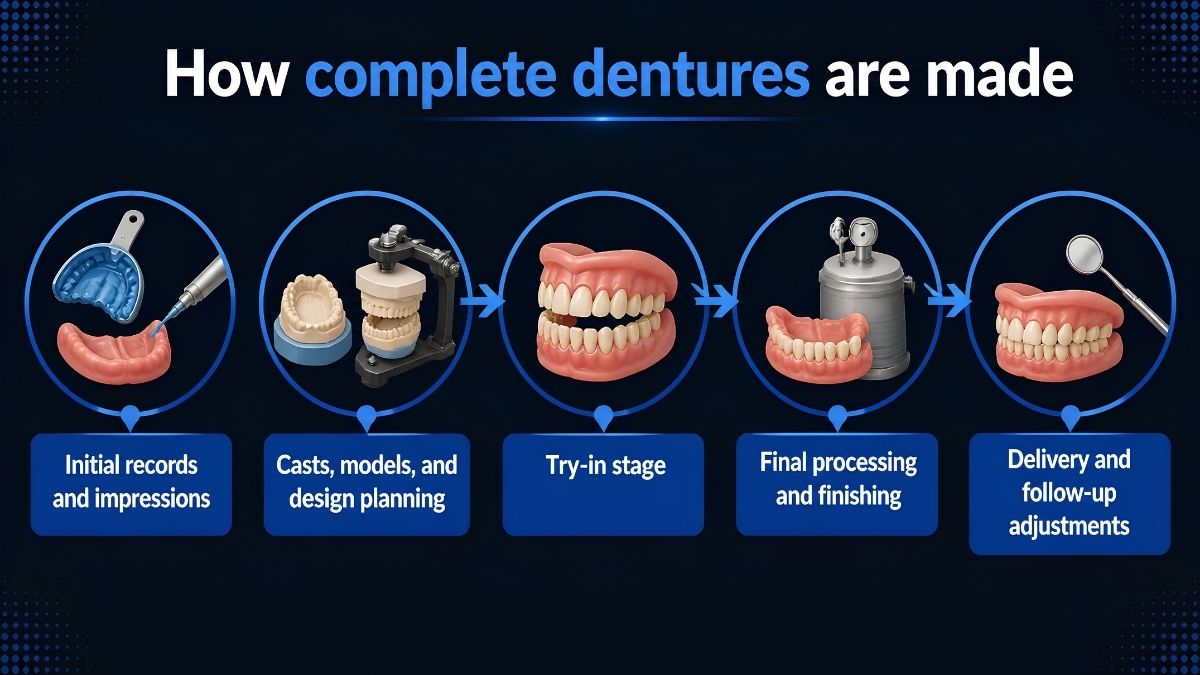
Initial records and impressions
The workflow usually begins with clinical examination, impression taking, and evaluation of the edentulous arches.
Key records may include
- Preliminary impressions
- Final impressions
- Jaw relation records
- Vertical dimension assessment
- Facial and smile references
- Shade and mold selection
These records guide prosthesis design and tooth arrangement.
Casts, models, and design planning
The laboratory uses the clinical records to create working models and plan the denture setup.
Important laboratory considerations
At this stage, the technician evaluates:
- Arch form
- Ridge anatomy
- Base extension
- Tooth positioning
- Occlusal scheme
- Aesthetic balance
Try-in stage
A wax try-in or digital try-in is often used before final processing.
Why try-ins matter
They allow verification of:
- Fit and extension
- Occlusal relationship
- Midline and smile line
- Tooth display
- Speech-related adjustments
- Patient approval
This stage reduces the risk of major corrections after final delivery.
Final processing and finishing
Once approved, the final denture is processed through conventional methods or digital manufacturing workflows.
Final laboratory steps may include
- Base fabrication
- Tooth integration
- Finishing and polishing
- Quality control checks
- Packaging for clinical delivery
Delivery and follow-up adjustments
After insertion, the dentist evaluates tissue adaptation, pressure areas, retention, phonetics, and occlusion.
Most complete denture cases require follow-up adjustments as the patient adapts and tissue response becomes clearer.
Digital technologies in complete denture fabrication
Complete dentures are increasingly influenced by digital dentistry, which improves workflow standardization and reproducibility.
Digital impressions
Digital impressions may be captured directly or by scanning conventional impressions and models.
Why digital records matter
They support:
- Faster data transfer
- Better storage of case information
- Improved clinic-lab communication
- Easier remake and replacement processes
Edentulous scanning remains more complex than dentate scanning, but technology continues to improve.
CAD/CAM denture design
CAD software enables digital design of the denture base, tooth setup, and occlusal relationships.
Main benefits
CAD/CAM allows:
- Repeatable design control
- Better file management
- Easier reproduction of approved cases
- More standardized workflows across labs
Milling and 3D printing
Digital dentures may be produced through milling, 3D printing, or hybrid workflows depending on the case and system.
Why these technologies matter
They can improve:
- Production consistency
- Turnaround time
- Material control
- Prototype efficiency
- Remake predictability
Clinical applications of complete dentures
Complete dentures are used in a variety of full-arch restorative scenarios.
Conventional full-arch rehabilitation
This is the primary use of complete dentures for fully edentulous patients who need restoration without fixed prosthetics.
Immediate complete dentures
Immediate full dentures are inserted at the time of extraction so the patient maintains appearance during healing.
Transitional prosthetic treatment
Complete dentures may serve as interim or long-term solutions during broader restorative planning.
Implant-supported full dentures
Some full dentures are designed to work with implants for improved retention and function, especially in overdenture configurations.
Benefits of complete dentures
Complete dentures continue to play a major role in restorative care because they provide meaningful functional and practical benefits.
Restoration of basic function
They help restore chewing, speaking, and oral balance for edentulous patients.
Aesthetic and facial support
They improve tooth display, lip support, and lower facial dimension, often enhancing facial appearance significantly.
Non-surgical treatment option
For many patients, complete dentures provide a restorative solution without the need for implant surgery.
Cost-conscious full-arch treatment
Compared with many fixed or implant-based full-arch options, complete dentures are often more financially accessible.
Repairability and adjustability
They can often be relined, repaired, adjusted, or remade more easily than some fixed alternatives.
Challenges and limitations of complete dentures
Despite their value, complete dentures have known limitations that affect clinical performance and patient adaptation.
Retention and stability limitations
Retention can be particularly challenging in the lower arch due to anatomy, muscle movement, and ridge resorption.
Adaptation period
Patients often need time to adapt to speech, chewing patterns, and the sensation of wearing dentures.
Tissue changes over time
As ridges resorb and soft tissues change, dentures may gradually lose fit and need relining or replacement.
Maintenance requirements
Daily cleaning, proper storage, routine evaluations, and occasional adjustments are essential for long-term success.
Conventional dentures may provide less stability and chewing efficiency than implant-supported prostheses in some patients.
Future trends in complete dentures
The complete denture category continues to evolve with new materials and more advanced workflows.
Improved denture materials
Manufacturers are developing materials with better strength, polishability, color stability, and fracture resistance.
More digital denture workflows
Digital systems will likely continue to reduce manual variability and improve remake efficiency.
Greater use of implant-assisted retention
More cases may combine conventional removable design principles with implant support for enhanced performance.
Increased personalization
Future workflows are expected to provide more patient-specific design based on anatomy, smile parameters, and function.
Why complete dentures matter in dental lab outsourcing
Complete dentures require technical precision, strong communication, and repeatable quality control from the laboratory.
What dental practices need from a lab partner
Practices need a laboratory that can provide:
- Consistent denture fit and setup quality
- Reliable removable prosthetic workflows
- Strong experience in full-arch removable cases
- Communication on records and case design
- Capacity for remakes, relines, and adjustments
- Support for both conventional and digital denture workflows
Relevance to XDENT LAB
Complete dentures align closely with XDENT LAB’s strengths in removable prosthetics and lab-to-lab full service. As a Vietnam dental lab serving practices that require dependable quality and consistency, XDENT LAB supports full denture cases with advanced technology, certified technicians, and production systems aligned with U.S. market expectations.
With FDA- and ISO-oriented standards, scalable manufacturing capacity, and expertise in removable and implant-related cases, XDENT LAB is positioned as a reliable outsourcing partner for dental practices that need predictable full-arch prosthetic solutions.
Learn more about XDENT LAB's Full Denture products at: https://xdentlab.com/full-denture
Key takeaways
Complete dentures, or full dentures, are removable full-arch prostheses that replace all teeth in one or both arches. They remain essential in modern dentistry because they restore function, aesthetics, facial support, and patient confidence in a cost-effective and non-surgical format.
As materials, CAD/CAM systems, 3D printing, and digital denture workflows continue to advance, complete dentures are becoming more precise, more reproducible, and easier to integrate into modern clinic-lab collaboration. For dental practices focused on quality and consistency, a capable outsourcing laboratory such as XDENT LAB plays an important role in delivering reliable complete denture outcomes.
About XDENT LAB:
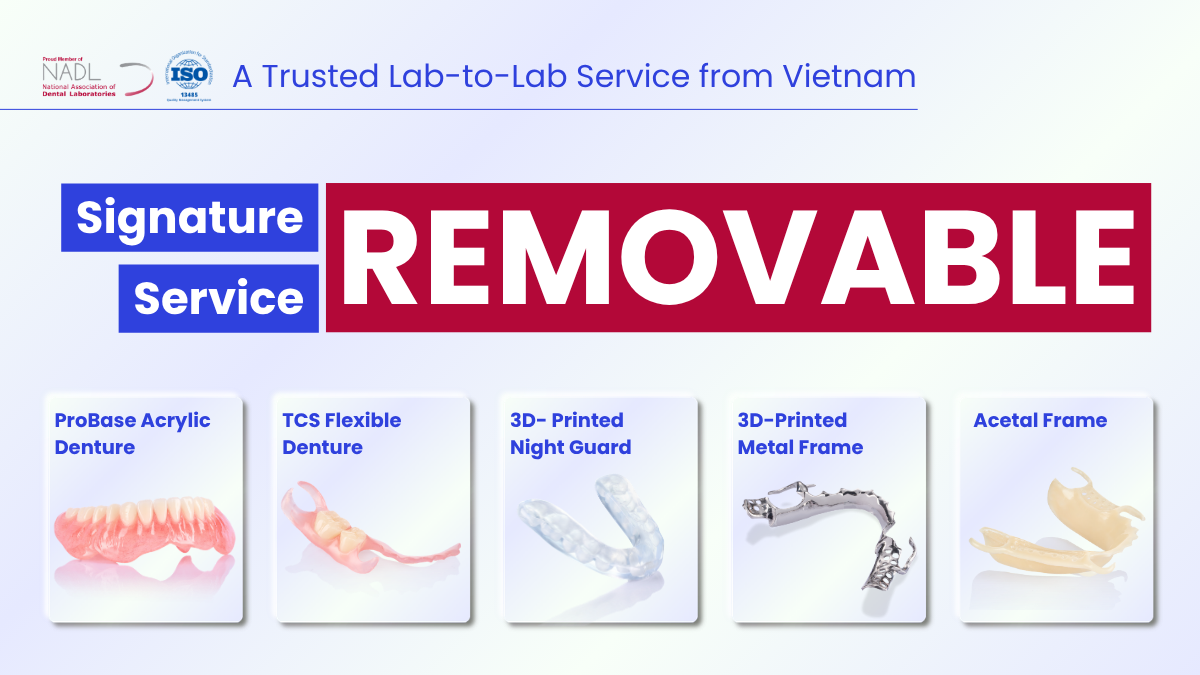
We are experts in Lab-to-Lab Full Service from Vietnam, with the signature services of Removable, meet U.S. market standards, FDA-registered, ISO 13485-certified. Founded in 2017, from local root to global reach, we scale with 2 Factories with over 100+ employees.
Our Commitments Built on “Trusted. Commitment. Quality”
- Commit to Large-Scale Manufacturing, high volume, remake rate < 1%.
- Commit to 5-Year Warranty
- Commit to Competitive Price
XDENT LAB | A Trusted Lab-to-Lab Service from Vietnam
Share this post:
Related Posts
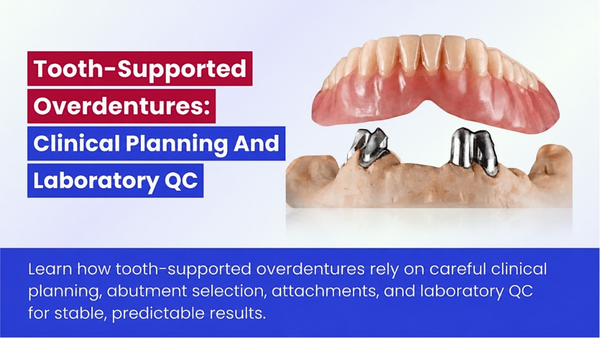
Learn how tooth-supported overdentures rely on careful clinical planning, abutment selection, attachments, and laboratory QC for stable, predictable results.
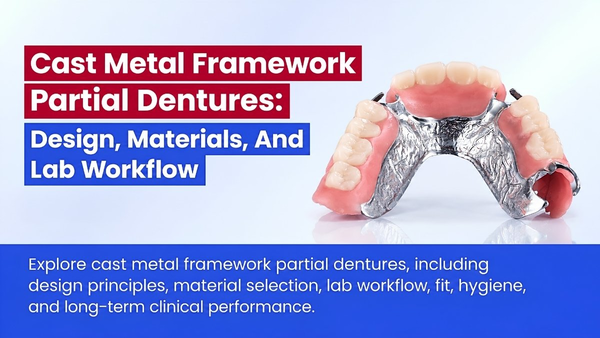
Explore cast metal framework partial dentures, including design principles, material selection, lab workflow, fit, hygiene, and long-term clinical performance.
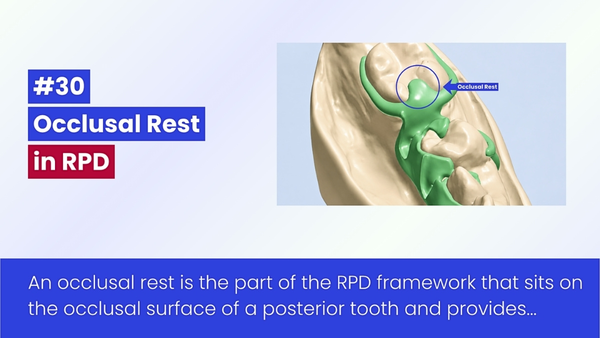
Not all occlusal rests are the same. Here is what distinguishes the extended, interproximal, internal types, and the clinical situations each one is designed for.

